Tue, Sep 29, 2026
Volume 16 - Special Issue(Exercise Therapy in Action)
PTJ 2026, 16 - Special Issue(Exercise Therapy in Action): 457-466 |
Back to browse issues page



Download citation:
BibTeX | RIS | EndNote | Medlars | ProCite | Reference Manager | RefWorks
Send citation to:


BibTeX | RIS | EndNote | Medlars | ProCite | Reference Manager | RefWorks
Send citation to:
Amro O, Alarab A, AL-Talahma M. Neurodynamic and Wrist Glide Exercises: Effects on Function and Symptom Severity in Carpal Tunnel Syndrome. PTJ 2026; 16 (S1) :457-466
URL: http://ptj.uswr.ac.ir/article-1-730-en.html
URL: http://ptj.uswr.ac.ir/article-1-730-en.html

1- Department of Physiotherapy, Faculty of Postgraduate Studies and Research, Palestine Ahliya University, Bethlehem, Palestine.
2- Department of Anatomy, Faculty of medicine, Palestine Polytechnic University, Hebron, Palestine.
2- Department of Anatomy, Faculty of medicine, Palestine Polytechnic University, Hebron, Palestine.
Keywords: Carpal tunnel syndrome (CTS), Nerve gliding exercises, Physiotherapy, Hand function, Non-surgical treatment, Symptom severity
Full-Text [PDF 476 kb]
(1583 Downloads)
| Abstract (HTML) (2526 Views)
Full-Text: (20 Views)
Introduction
Sir James Paget described carpal tunnel syndrome (CTS) in 1854, which was later named by Moersch in 1938 [1, 2]. It is the outcome of compression of the median nerve as it travels through the carpal tunnel, resulting in clinical manifestations that comprise numbness, tingling, and weakness in the hand. Rüsch et al. (2021) [3] indicate that the main pathological mechanism is mechanical compression that is often worsened by repetitive movements of the wrist, as well as genetic predisposition. In non-occupational cases, nerve irritation could also occur due to factors, such as the position of the body during sleep, changes in hormone levels, and overall systemic conditions. The risk factors commonly associated with CTS include repetitive use of the hand, variations in wrist anatomy, and systemic disorders such as diabetes mellitus and rheumatoid arthritis that increase the risk of median nerve compression. Idiopathic CTS without a definable cause has been addressed in classic literature as possibly associated with IAPTPs, such as tenosynovitis or repetitive computer use; however, contemporary research suggests a more pessimistic perspective on these supposed correlations [1, 2, 4].
CTS is also a common condition that affects 4-5% of the world’s population, and women have a higher prevalence rate of 3.1%, compared to men, which is 2.6% [2]. The prevalence rate is estimated between 3.72-7.8, and incidence is reported as 2.3 to 227.2 per 100,000 person-years and depends on demographic and occupational factors [4]. Of clinical interest, CTS is divided into three stages: stage 1 (contains mild symptoms, numbness, and swelling of the hand), stage 2 (contains enduring symptoms, aggravated by repetitive action), and stage 3 (contains painful symptoms and loss of effective use of the arm) [5, 6]. It is diagnosed based on the patient’s history, physical examination, and confirmation by nerve conduction studies, electromyography (EMG), and ultrasound of the neuromuscular areas [7].
Physiotherapists play a vital role in managing mild to moderate CTS through conservative treatment. Typical interventions include splinting, therapeutic ultrasound, soft tissue mobilization, carpal bone manipulation, tendon and nerve gliding, and neurodynamic exercises [7, 8]. Surgery or surgical decompression may be warranted in cases of chronic or severe CTS that are unresponsive to conservative management options; however, it is usually considered a last resort because of possible post-operative complications [9].
There is increasing evidence that neurodynamic exercises and nerve gliding exercises can be effective in symptomatic relief of CTS, but the evidence is still scarce, especially when combining neurodynamic wrist mobilizations with wrist glide exercises. Additional research is required to assess whether these conservative methods can lead to better results as a non-surgical option in symptom improvement and hand function.
Consequently, this study was intended to determine how neurodynamic exercises of the distal wrist and exercises of the glide of the wrist intended to reduce the severity of symptoms, the range of motion (ROM) of the wrist, the grip strength and the hand functioning of patients with mild and moderate CTS and gauging such effect on the three sets of exercises taken together as a therapeutic measure should be profiled.
Materials and Methods
A quasi-experimental study was conducted to determine the efficacy of neurodynamic wrist and wrist glide exercises on symptoms of CTS and hand function of patients suffering from CTS. The study was conducted at Raheem Physiotherapy Center, Hebron, and Al Abeer Center of Physiotherapy and Rehabilitation, Dura, Palestine.
It was planned that 30 persons with mild to moderate CTS (including bilateral symptoms in some) aged 18-75 years were enrolled in two centers between November 2023 and May 2024, yielding 50 cases. The sample was chosen through convenient purposive sampling since the study involved a particular set of inclusion criteria, one of which was a clinical CTS diagnosis based on symptoms and diagnostic tests, such as nerve conduction study or EMG. Severe CTS, history of prior surgery of the wrist, and other health complications of the upper extremity were regarded as exclusion criteria. The sample size of 30 participants (50 affected hands) was considered manageable in terms of resource constraints, but the study was not formally powered (i.e. via a power analysis, e.g. G*Power software) to warrant the statistical sufficiency of the sample, which constrains the robustness of generalizability and inference generally.
The choice of study design lacked a control group, a familiar limitation of quasi-experimental designs and a limitation to reaching substantial causal inferences. This problem was discussed in the discussion section, though it is significant to mention here as a methodological limitation. Additionally, neither of the outcome assessors was blinded, and participants were not blinded, which increases the risk of bias, especially in subjective outcomes, such as pain intensity (visual analog scale [VAS]) and self-reported function (Boston carpal tunnel questionnaire [BCTQ]).
The inclusion criteria included adults 18 years and above, both male and female, mentally capable of understanding and obeying simple verbal orders or commands, patients who had never had any surgical intervention for CTS, those patients who had not had any form of recent intervention with regard to CTS, and who could sign an informed consent form to participate in the research.
The exclusion criteria included patients with severe symptoms of CTS, patients with other underlying neurological conditions that could affect the functioning of the hands or cause other similar issues, pregnant patients, patients with previous traumas and injuries of the wrists and hands that could affect the exercise efficiency, patients experiencing severe cognitive impairments/communication difficulties that would prevent them completing the exercise protocol, patients with any contraindications or medical conditions that would render the exercises unsafe or inappropriate to the patient, and patients who were not willing to participate in the necessary assessments and evaluations required by the study.
Tools
Phalen test: The test is said to be most popular in diagnosing CTS, and it is conducted by bringing the hands in a dorsal position with elevated elbows at chest level, and it takes at least 60 seconds. A positive result is tingling, numbness, or sensation of a certain type of pain in particular fingers, which is a symptom of CTS. Most medical experts also indicated that the diagnostic accuracy of this test is 93.6%, with a sensitivity of 84.6% and a specificity of 100%, thus making it a very useful diagnostic procedure [10].
Reverse Phalen test: This is the same except that the palms are pressed together, the elbows are turned outward, and the hands are moved toward the middle of the body and held for 60 seconds. Any good response, such as tingling, numbness in the fingers, or uneasiness, indicates CTS. The sensitivity of the test is 56%, which gives it extra diagnostic value, as well as during the Phalen test [11].
Tinel sign: This is performed by tapping the median nerve whilst placing the palm of the patient upward. Numbness, tingling, or pain are positive outcomes, which indicate the presence of CTS. The test is sensitive (49-84) and specific (95-99), which proves the usefulness of the diagnostic test [12].
Median nerve compression test: This test involves the examiner applying light pressure to the patient’s carpal tunnel, with the wrists held in a neutral position and the substrate placed and maintained for 30 seconds. It is considered one of the most sensitive and specific provocative tests of CTS, with a sensitivity of 87 and a specificity of 90 [13].
Hand grip strength (HGS): HGS is a crucial indicator of upper-limb muscular activity. Participants were seated with the backs of the feet resting and shoulders in a neutral position. Three trials of gripping were conducted (measured with a Jamar hand dynamometer) for 15 seconds, both pre- and post-intervention. The sensitivity of HGS is reported to be 78-95 percent in detecting CTS, and its specificity rises to 94 percent [14].
Pain assessment: The degree of pain was quantified using a VAS by gauging a 10-cm horizontal or vertical line, and 0 translated to zero pain and 10 translated to the worst pain possible to imagine. VAS is a reliable and valid instrument that is well adopted in clinical practice and research [15].
Boston carpal tunnel questionnaire (BCTQ): A scale designed to measure the severity of symptoms and functional status in patients with CTS; it was developed in 1993. It has two subscales, namely the symptom severity scale (SSS) and the functional status scale (FSS), each of which has a Likert-scale score of between 1 and 5. It is widely applied in clinical trials to assess treatment outcomes [16].
Movement/ flexibility (ROM): ROM of the wrist and the thumb was assessed before and after the intervention. The wrist kinematics were flexion (80 o/90 o /), extension (70 o /90 o /), radial deviation (15 o /) and ulnar deviation (30 o /45 o /). ROM of the thumb was flexion (45 o to 50 o), extension (30 o), and abduction (60 o to 70 o). Every movement was taken in triplicate and averaged out [17].
Intervention protocol: The neurodynamic and wrist glide exercises had an intervention protocol in which therapeutic procedures were performed on patients with limited CTS. The intervention contained median nerve neurodynamic mobilizations and wrist gliding movements, which were carried out in progressive, gradual stages. A qualified physiotherapist directed the exercises. They took place three times a week during six weeks. The number of sets per exercise was 3 sets of 10 repetitions, and the rest periods after a set took 30 seconds. The progression criteria were based on patient tolerability and symptom severity, adjusted weekly by the therapist. These sets of exercises were to restore mobility in the median nerve, decrease intraneural edema, and improve overall wrist and hand function [8].
Data collection
Several participants were selected using inclusion/exclusion criteria verified by an examination of symptomatology and diagnostic procedures, including nerve conduction studies and EMG. The tests were the VAS, Phalen, Reverse Phalen, Tinel, BCTQ, wrist and thumb ROM, and HGS, and pre- and post-evaluations were taken. Before undergoing the research, all the participants were provided with adequate information and signed informed consent. The four weeks were used as the duration of the intervention, during which participants received two sessions of physiotherapy every week. Nonetheless, this section does not elaborate on the specific exercise protocol, such as what kind, how many, how long, and how progress and improvement in neurodynamic and wrist glide exercises are measured. To ensure improved clarity and the possibility of replication, it would be advisable to show the exercise protocol in a supplementary table or appendix.
Statistical analysis
Paired t-tests were applied to calculate statistical results between pre- and post-outcome. Nonetheless, the assumptions of normality (e.g. Shapiro-Wilk test) and homogeneity of variances (e.g. Levene test) were not provided, which is necessary to justify the parametric tests. Also, the usually reported effect sizes (e.g. the 5.7-point reduction on the VAS) have to be interpreted carefully, as they might be biased by measurement, the absence of blinding, or the relatively short follow-up period. They ought to be followed by calculations of the effect size (e.g. Cohen d) to clarify the meaning of the findings in the clinical context.
Results
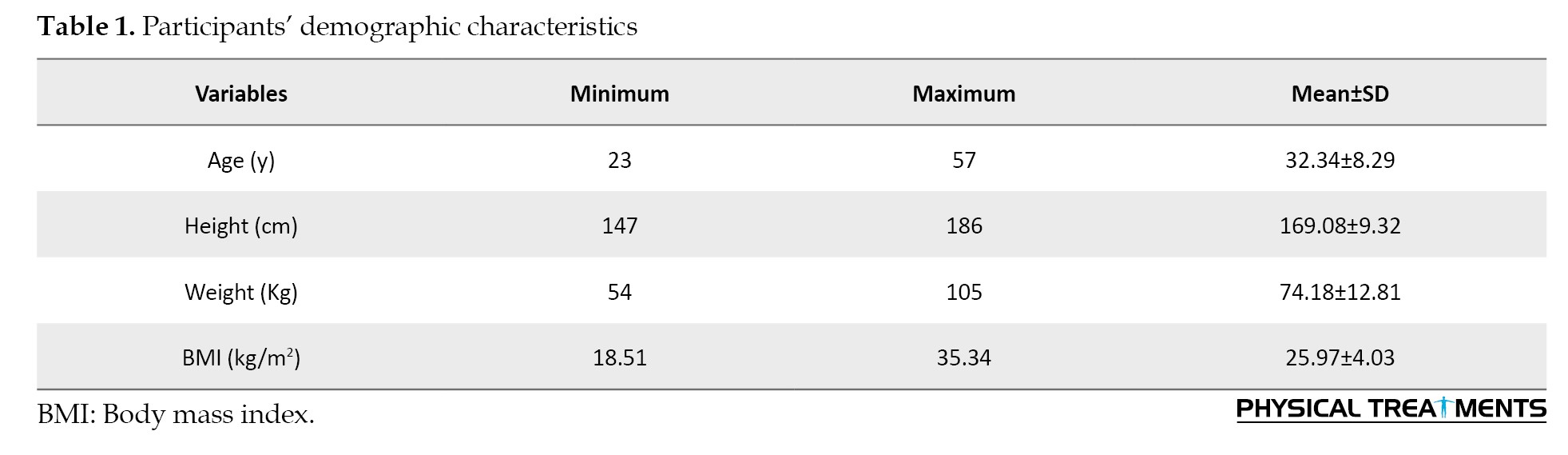
The study involved 30 patients diagnosed with CTS, with a nearly equal gender distribution (52% men, 48% women). Most participants (76%) were employed, and 84% were right-handed. Both unilateral and bilateral CTS cases were included in the analysis, with each affected hand analyzed separately. This approach is commonly used in similar clinical studies and allows for a more comprehensive assessment of intervention outcomes across all treated hands. The average age was 32.34 years, with a mean height of 169 cm, weight of 74.81 kg, and body mass index (BMI) of 25.97 (Table 1).
Post-intervention, the Phalen test showed that 10% of patients still had positive CTS symptoms, while 90% tested negative. The reverse Phalen test showed that all patients were negative for symptoms. Tinel’s test revealed 6% with positive symptoms, and 94% tested negative. Additionally, 58% of participants reported symptoms in their right hand, while 42% had symptoms in their left hand. McNemar’s test revealed statistically significant reductions in positive results for all three diagnostic tests following the intervention (P<0.001), indicating strong evidence of symptom improvement.
The results in Table 2 confirm that neurodynamic wrist exercises are highly effective in reducing CTS symptoms.
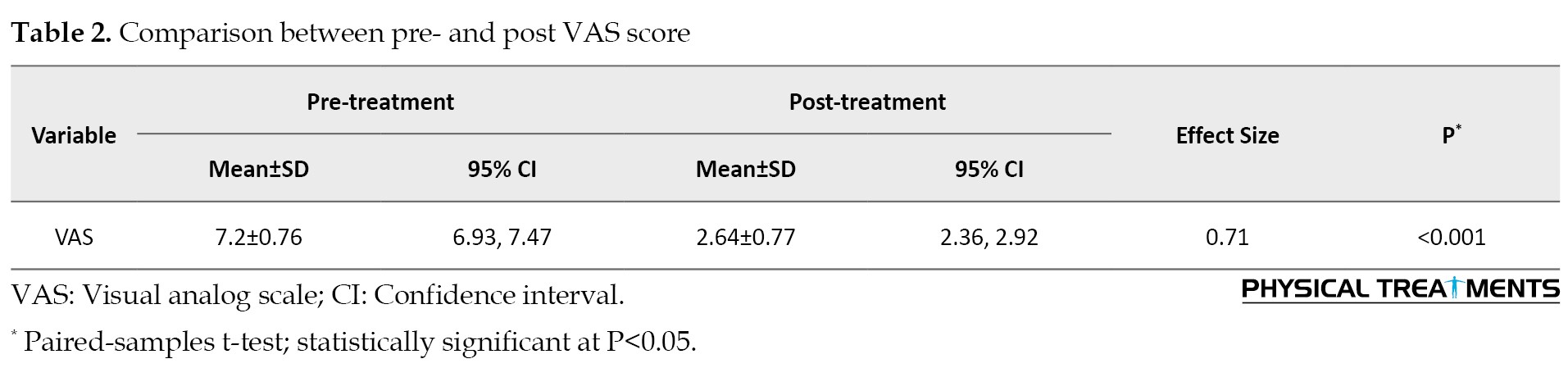
The average VAS score dropped from 7.2 to 2.64, indicating a significant pain reduction. This decrease was statistically significant (P<0.001) and therapeutically meaningful, with a high effect size of 0.71, demonstrating strong statistical power for detecting the effects of the intervention in this 30-participant study.
Grip strength analysis using a paired t-test showed a significant improvement post-intervention. Before the intervention, the average grip strength was 227.2 Newtons, which increased to over 310 Newtons afterward. This improvement was statistically significant (P<0.001) and functionally meaningful, with a significant effect size of 0.65. The results confirm that the intervention effectively enhanced grip strength and overall physical function in CTS patients (Table 3).
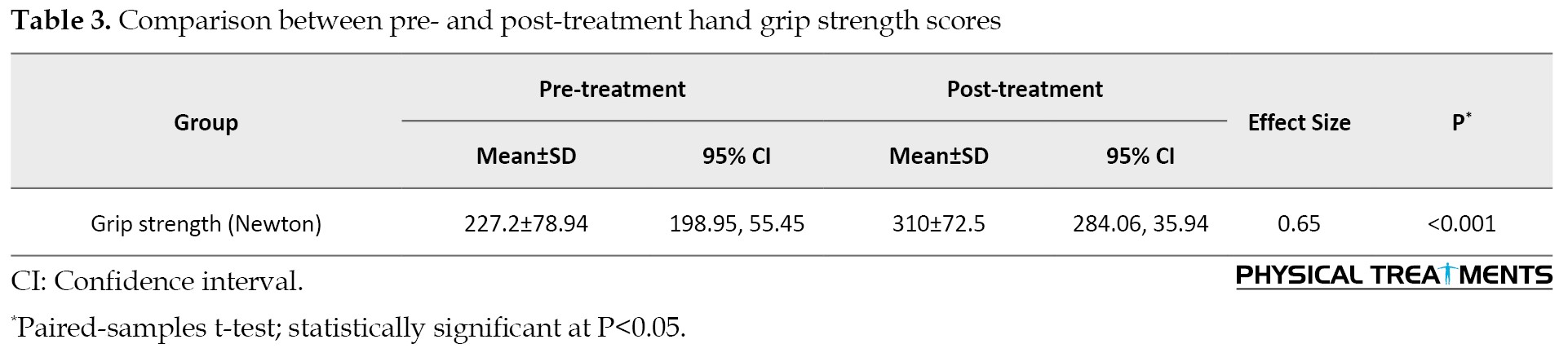
Table 4 presents significant improvements in both the SSS and FSS after the intervention (P<0.001).
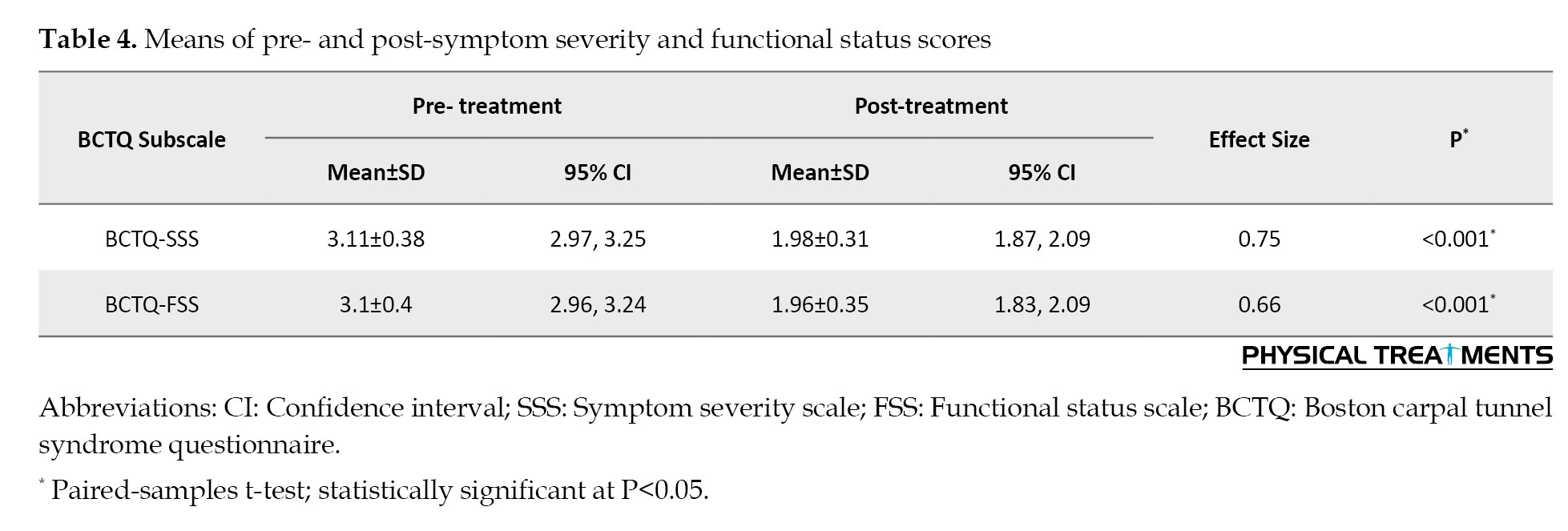
The average SSS score decreased from 3.11 pre-treatment to 1.98 post-treatment, indicating reduced symptom severity. Similarly, the FSS score improved from 3.1 to 1.96, reflecting enhanced functional status. These results demonstrate the effectiveness of the therapeutic intervention in reducing symptoms and improving function, supported by effect sizes of 0.75 for SSS and 0.66 for FSS.
Table 5 presents significant improvements in wrist ROM after the intervention.
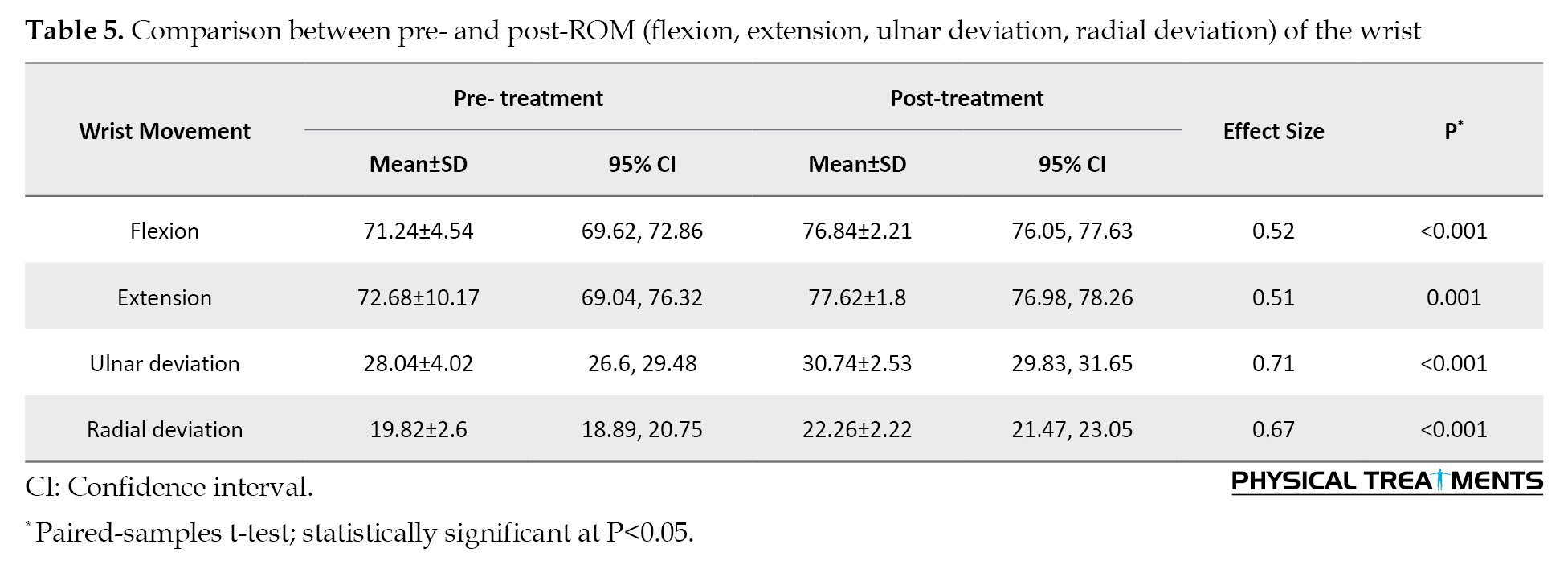
Flexion increased from 71.24° to 76.84° (P=0.001, effect size=0.52), extension from 72.68° to 77.62° (P=0.001, effect size=0.51), ulnar deviation from 28.04° to 30.74° (P=0.001, effect size=0.71), and radial deviation from 19.82° to 22.26° (P=0.001, effect size=0.67). These results demonstrate the efficacy of the intervention in improving wrist ROM and functional outcomes in CTS patients (Table 5).
The study, as shown in Table 6, revealed significant improvements in thumb ROM after therapy for CTS patients.
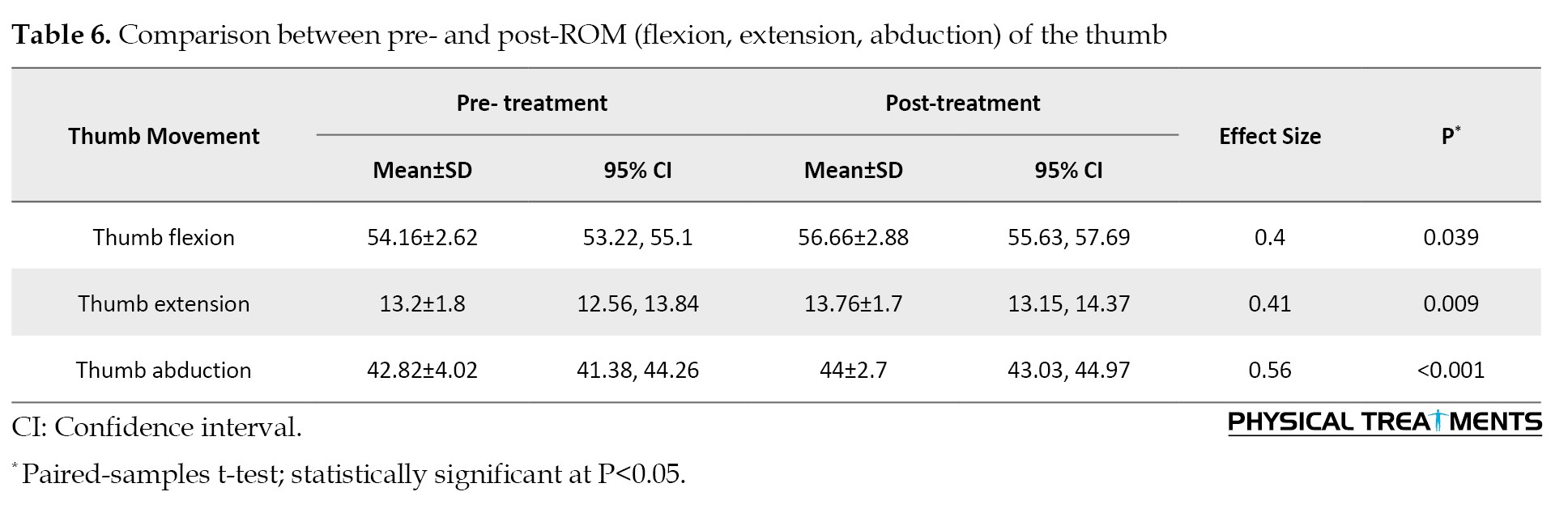
Flexion ROM increased from 54.16° to 56.66° (P=0.039, effect size=0.4), extension ROM from 13.2° to 13.76° (P=0.009, effect size=0.41), and abduction ROM from 42.82° to 44.00° (P=0.001, effect size=0.56). These improvements suggest enhanced thumb mobility, reducing discomfort and improving functional capabilities, particularly for tasks requiring flexion, extension, and abduction.
Discussion
CTS can be explained by a compressed median nerve in the wrist (usually as a result of repetitive hand movements, physical trauma, or edema near the nerve). Pain, numbness, and tingling of the thumb, index finger, middle finger, and the half of the ring finger are present. Although CTS cannot be considered primarily as a disorder of the mind, it still may lead to secondary problems in the form of nighttime sleep difficulties, anxiety, and frustration with difficulty in performing daily activities. This underscores the need to intervene early in diagnosis and management to minimize the effects (both mental and physical).
The purpose of the present study was to assess the effectiveness of neurodynamic wrist exercises combined with wrist glide exercises in improving symptoms and hand function in patients with mild to moderate CTS.
Of the 50 screened patients, 30 were admitted according to specified inclusion and exclusion criteria. Statistically significant improvements in important outcome measures were demonstrated after the intervention (reductions in pain intensity, VAS, P<0.001, increases in grip strength, P=0.001, and better functional outcomes determined by the SSS, and FSS, P<0.001). Wrist ROM, specifically thumb abduction, also showed excellent improvement (P=0.001). Although these results suggest the possible therapeutic effect of the intervention, effect sizes (e.g. a VAS reduction of 5.7) must be viewed with caution, since the magnitude of changes in such a short time period can be interpreted as an overestimation of its clinical importance without follow-up.
The effects of neurodynamic exercises separately or nerve/tendon gliding exercises have been studied previously. Sheereen et al. (2022) compared the neurodynamic method to carpal bone mobilization therapy, and they noted more favorable results concerning nerve conduction and function in the former group [16]. According to Wolny et al. (2017), neurodynamics produced a positive effect as compared to nerve and tendon gliding exercises, but there were no significant differences in grip strength or functional status between the two interventions [17]. In contrast to the previous research, the current study aimed at a synergistic intervention including both neurodynamic and wrist glide interventions, which has the potential to allow both nerve mobility and restrictions of the mechanical interface to occur concomitantly.
A randomized controlled trial by Talebi et al. (2020) confirmed that functional status and symptom severity could be improved using either neurodynamic or mechanical interface techniques, and no significant differences were found; thus, both could be considered possible non-surgical options [18]. The same results were obtained by Wolny and Linek (2019), who discovered that the use of neurodynamic-based manual therapy led to enhanced sensory conduction of the median nerve, maximized grip strength, and alleviated pain when compared with electrophysical modalities (P<0.01, P<0.05) [19]. Vaidya and Nariya (2020) demonstrated that neural mobilization elicited more significant improvement in nerve conduction and pain levels than nerve and tendon gliding exercises and their combination, with no significant difference between those interventions in terms of functional outcome [20]. Tendon and nerve gliding were also found to be effective in symptom relief as well as improving sensory conduction in an article by Abdolrazaghi et al. (2020), even though functional outcomes were low [21].
The collective works open the path to conservative management of CTS. Nevertheless, most of them studied the techniques separately. There is a growing body of evidence regarding the use of both devices in combination, and we contribute to this evidence by examining both sequentially within a structured physiotherapy program, which may have maximum mechanical and neurophysiological effect. This fills a literature gap since little research has been done to assess dual-technique protocols in moderate and mild CTS.
However, there are some limitations to our study despite these encouraging results. First, there was no control group, which limits the study’s ability to attribute the changes solely to the intervention and introduces the probability of a Hawthorne effect. Second, the outcome may have been biased because observers and participants were not blinded. Third, the treatment span was not long (only four weeks), and the intervention results may not be generalizable or support long-term improvement. Fourth, generalizability was low since the sample size was small and included middle-aged, right-handed, and mild CTS participants. Finally, no follow-up after treatment was performed; thus, it is unclear whether the gains persisted over time.
Finally, this study recommends the knee-to-knee combination of neurodynamic wrist exercise and wrist glide, which is effective in reducing hand pain and enhancing hand function in people with moderate and mild CTS. These findings justify their application as a formidable early intervention in the physiotherapy profession. Future investigations are needed, however, to utilize more randomized controlled studies using wider, diverse study populations, low attrition with long-term follow-up, and more stringent methodological controls (e.g. blinding to both study and control groups, and controls) to improve evidence and smooth clinical practice recommendations.
Conclusion
The present study showed that neurodynamic wrist shaking in combination with gliding exercises is effective in decreasing pain, increasing grip strength and thumb ROM, and overall hand functioning in patients with mild to moderate CTS. Outcome assessment with validated measures proved the effectiveness of these improvements through the SSS and FSS, making these methods effective alternatives to surgical interventions and medications. It is interesting to note that the present study is one of the few to compare the concurrent effect of both the neurodynamic and the wrist glide exercises, thus filling the gap in current literature. Future studies must ideally use these results constructively by using larger and broader sample types, control groups, and longer follow-up durations to gain a clearer idea of the lasting efficacy and the process of improving rehabilitation plans regarding CTS.
Ethical Considerations
Compliance with ethical guidelines
This study was approved by the Ethics Committee of the Palestine Ahliya University, Bethlehem, Palestine (Code: CAMS/PTBR/3/131/2024) and registered with the World Health Organization (WHO) Universal Trial Number (UTN: U1111-1316-5677). All participants provided written informed consent before data collection. The study was conducted in accordance with the principles of the Declaration of Helsinki.
Funding
This research did not receive any grants from funding agencies in the public, commercial, or non-profit sectors.
Authors' contributions
Conceptualization, methodology, data curation, and validation: Omar Amro and Mohammad AL-Talahma; Investigation: Omar Amro and Azzam Alarab; Formal analysis, software, visualization, resources, review, and editing: Azzam Alarab; Project administration: Mohammad AL-Talahma; Supervision: Mohammad AL-Talahma; Writing the original draft: Omar Amro.
Conflict of interest
The authors declared no conflict of interest.
Acknowledgments
The authors thank all the patients who participated in the study.
Sir James Paget described carpal tunnel syndrome (CTS) in 1854, which was later named by Moersch in 1938 [1, 2]. It is the outcome of compression of the median nerve as it travels through the carpal tunnel, resulting in clinical manifestations that comprise numbness, tingling, and weakness in the hand. Rüsch et al. (2021) [3] indicate that the main pathological mechanism is mechanical compression that is often worsened by repetitive movements of the wrist, as well as genetic predisposition. In non-occupational cases, nerve irritation could also occur due to factors, such as the position of the body during sleep, changes in hormone levels, and overall systemic conditions. The risk factors commonly associated with CTS include repetitive use of the hand, variations in wrist anatomy, and systemic disorders such as diabetes mellitus and rheumatoid arthritis that increase the risk of median nerve compression. Idiopathic CTS without a definable cause has been addressed in classic literature as possibly associated with IAPTPs, such as tenosynovitis or repetitive computer use; however, contemporary research suggests a more pessimistic perspective on these supposed correlations [1, 2, 4].
CTS is also a common condition that affects 4-5% of the world’s population, and women have a higher prevalence rate of 3.1%, compared to men, which is 2.6% [2]. The prevalence rate is estimated between 3.72-7.8, and incidence is reported as 2.3 to 227.2 per 100,000 person-years and depends on demographic and occupational factors [4]. Of clinical interest, CTS is divided into three stages: stage 1 (contains mild symptoms, numbness, and swelling of the hand), stage 2 (contains enduring symptoms, aggravated by repetitive action), and stage 3 (contains painful symptoms and loss of effective use of the arm) [5, 6]. It is diagnosed based on the patient’s history, physical examination, and confirmation by nerve conduction studies, electromyography (EMG), and ultrasound of the neuromuscular areas [7].
Physiotherapists play a vital role in managing mild to moderate CTS through conservative treatment. Typical interventions include splinting, therapeutic ultrasound, soft tissue mobilization, carpal bone manipulation, tendon and nerve gliding, and neurodynamic exercises [7, 8]. Surgery or surgical decompression may be warranted in cases of chronic or severe CTS that are unresponsive to conservative management options; however, it is usually considered a last resort because of possible post-operative complications [9].
There is increasing evidence that neurodynamic exercises and nerve gliding exercises can be effective in symptomatic relief of CTS, but the evidence is still scarce, especially when combining neurodynamic wrist mobilizations with wrist glide exercises. Additional research is required to assess whether these conservative methods can lead to better results as a non-surgical option in symptom improvement and hand function.
Consequently, this study was intended to determine how neurodynamic exercises of the distal wrist and exercises of the glide of the wrist intended to reduce the severity of symptoms, the range of motion (ROM) of the wrist, the grip strength and the hand functioning of patients with mild and moderate CTS and gauging such effect on the three sets of exercises taken together as a therapeutic measure should be profiled.
Materials and Methods
A quasi-experimental study was conducted to determine the efficacy of neurodynamic wrist and wrist glide exercises on symptoms of CTS and hand function of patients suffering from CTS. The study was conducted at Raheem Physiotherapy Center, Hebron, and Al Abeer Center of Physiotherapy and Rehabilitation, Dura, Palestine.
It was planned that 30 persons with mild to moderate CTS (including bilateral symptoms in some) aged 18-75 years were enrolled in two centers between November 2023 and May 2024, yielding 50 cases. The sample was chosen through convenient purposive sampling since the study involved a particular set of inclusion criteria, one of which was a clinical CTS diagnosis based on symptoms and diagnostic tests, such as nerve conduction study or EMG. Severe CTS, history of prior surgery of the wrist, and other health complications of the upper extremity were regarded as exclusion criteria. The sample size of 30 participants (50 affected hands) was considered manageable in terms of resource constraints, but the study was not formally powered (i.e. via a power analysis, e.g. G*Power software) to warrant the statistical sufficiency of the sample, which constrains the robustness of generalizability and inference generally.
The choice of study design lacked a control group, a familiar limitation of quasi-experimental designs and a limitation to reaching substantial causal inferences. This problem was discussed in the discussion section, though it is significant to mention here as a methodological limitation. Additionally, neither of the outcome assessors was blinded, and participants were not blinded, which increases the risk of bias, especially in subjective outcomes, such as pain intensity (visual analog scale [VAS]) and self-reported function (Boston carpal tunnel questionnaire [BCTQ]).
The inclusion criteria included adults 18 years and above, both male and female, mentally capable of understanding and obeying simple verbal orders or commands, patients who had never had any surgical intervention for CTS, those patients who had not had any form of recent intervention with regard to CTS, and who could sign an informed consent form to participate in the research.
The exclusion criteria included patients with severe symptoms of CTS, patients with other underlying neurological conditions that could affect the functioning of the hands or cause other similar issues, pregnant patients, patients with previous traumas and injuries of the wrists and hands that could affect the exercise efficiency, patients experiencing severe cognitive impairments/communication difficulties that would prevent them completing the exercise protocol, patients with any contraindications or medical conditions that would render the exercises unsafe or inappropriate to the patient, and patients who were not willing to participate in the necessary assessments and evaluations required by the study.
Tools
Phalen test: The test is said to be most popular in diagnosing CTS, and it is conducted by bringing the hands in a dorsal position with elevated elbows at chest level, and it takes at least 60 seconds. A positive result is tingling, numbness, or sensation of a certain type of pain in particular fingers, which is a symptom of CTS. Most medical experts also indicated that the diagnostic accuracy of this test is 93.6%, with a sensitivity of 84.6% and a specificity of 100%, thus making it a very useful diagnostic procedure [10].
Reverse Phalen test: This is the same except that the palms are pressed together, the elbows are turned outward, and the hands are moved toward the middle of the body and held for 60 seconds. Any good response, such as tingling, numbness in the fingers, or uneasiness, indicates CTS. The sensitivity of the test is 56%, which gives it extra diagnostic value, as well as during the Phalen test [11].
Tinel sign: This is performed by tapping the median nerve whilst placing the palm of the patient upward. Numbness, tingling, or pain are positive outcomes, which indicate the presence of CTS. The test is sensitive (49-84) and specific (95-99), which proves the usefulness of the diagnostic test [12].
Median nerve compression test: This test involves the examiner applying light pressure to the patient’s carpal tunnel, with the wrists held in a neutral position and the substrate placed and maintained for 30 seconds. It is considered one of the most sensitive and specific provocative tests of CTS, with a sensitivity of 87 and a specificity of 90 [13].
Hand grip strength (HGS): HGS is a crucial indicator of upper-limb muscular activity. Participants were seated with the backs of the feet resting and shoulders in a neutral position. Three trials of gripping were conducted (measured with a Jamar hand dynamometer) for 15 seconds, both pre- and post-intervention. The sensitivity of HGS is reported to be 78-95 percent in detecting CTS, and its specificity rises to 94 percent [14].
Pain assessment: The degree of pain was quantified using a VAS by gauging a 10-cm horizontal or vertical line, and 0 translated to zero pain and 10 translated to the worst pain possible to imagine. VAS is a reliable and valid instrument that is well adopted in clinical practice and research [15].
Boston carpal tunnel questionnaire (BCTQ): A scale designed to measure the severity of symptoms and functional status in patients with CTS; it was developed in 1993. It has two subscales, namely the symptom severity scale (SSS) and the functional status scale (FSS), each of which has a Likert-scale score of between 1 and 5. It is widely applied in clinical trials to assess treatment outcomes [16].
Movement/ flexibility (ROM): ROM of the wrist and the thumb was assessed before and after the intervention. The wrist kinematics were flexion (80 o/90 o /), extension (70 o /90 o /), radial deviation (15 o /) and ulnar deviation (30 o /45 o /). ROM of the thumb was flexion (45 o to 50 o), extension (30 o), and abduction (60 o to 70 o). Every movement was taken in triplicate and averaged out [17].
Intervention protocol: The neurodynamic and wrist glide exercises had an intervention protocol in which therapeutic procedures were performed on patients with limited CTS. The intervention contained median nerve neurodynamic mobilizations and wrist gliding movements, which were carried out in progressive, gradual stages. A qualified physiotherapist directed the exercises. They took place three times a week during six weeks. The number of sets per exercise was 3 sets of 10 repetitions, and the rest periods after a set took 30 seconds. The progression criteria were based on patient tolerability and symptom severity, adjusted weekly by the therapist. These sets of exercises were to restore mobility in the median nerve, decrease intraneural edema, and improve overall wrist and hand function [8].
Data collection
Several participants were selected using inclusion/exclusion criteria verified by an examination of symptomatology and diagnostic procedures, including nerve conduction studies and EMG. The tests were the VAS, Phalen, Reverse Phalen, Tinel, BCTQ, wrist and thumb ROM, and HGS, and pre- and post-evaluations were taken. Before undergoing the research, all the participants were provided with adequate information and signed informed consent. The four weeks were used as the duration of the intervention, during which participants received two sessions of physiotherapy every week. Nonetheless, this section does not elaborate on the specific exercise protocol, such as what kind, how many, how long, and how progress and improvement in neurodynamic and wrist glide exercises are measured. To ensure improved clarity and the possibility of replication, it would be advisable to show the exercise protocol in a supplementary table or appendix.
Statistical analysis
Paired t-tests were applied to calculate statistical results between pre- and post-outcome. Nonetheless, the assumptions of normality (e.g. Shapiro-Wilk test) and homogeneity of variances (e.g. Levene test) were not provided, which is necessary to justify the parametric tests. Also, the usually reported effect sizes (e.g. the 5.7-point reduction on the VAS) have to be interpreted carefully, as they might be biased by measurement, the absence of blinding, or the relatively short follow-up period. They ought to be followed by calculations of the effect size (e.g. Cohen d) to clarify the meaning of the findings in the clinical context.
Results
The study involved 30 patients diagnosed with CTS, with a nearly equal gender distribution (52% men, 48% women). Most participants (76%) were employed, and 84% were right-handed. Both unilateral and bilateral CTS cases were included in the analysis, with each affected hand analyzed separately. This approach is commonly used in similar clinical studies and allows for a more comprehensive assessment of intervention outcomes across all treated hands. The average age was 32.34 years, with a mean height of 169 cm, weight of 74.81 kg, and body mass index (BMI) of 25.97 (Table 1).
Post-intervention, the Phalen test showed that 10% of patients still had positive CTS symptoms, while 90% tested negative. The reverse Phalen test showed that all patients were negative for symptoms. Tinel’s test revealed 6% with positive symptoms, and 94% tested negative. Additionally, 58% of participants reported symptoms in their right hand, while 42% had symptoms in their left hand. McNemar’s test revealed statistically significant reductions in positive results for all three diagnostic tests following the intervention (P<0.001), indicating strong evidence of symptom improvement.
The results in Table 2 confirm that neurodynamic wrist exercises are highly effective in reducing CTS symptoms.
The average VAS score dropped from 7.2 to 2.64, indicating a significant pain reduction. This decrease was statistically significant (P<0.001) and therapeutically meaningful, with a high effect size of 0.71, demonstrating strong statistical power for detecting the effects of the intervention in this 30-participant study.
Grip strength analysis using a paired t-test showed a significant improvement post-intervention. Before the intervention, the average grip strength was 227.2 Newtons, which increased to over 310 Newtons afterward. This improvement was statistically significant (P<0.001) and functionally meaningful, with a significant effect size of 0.65. The results confirm that the intervention effectively enhanced grip strength and overall physical function in CTS patients (Table 3).
Table 4 presents significant improvements in both the SSS and FSS after the intervention (P<0.001).
The average SSS score decreased from 3.11 pre-treatment to 1.98 post-treatment, indicating reduced symptom severity. Similarly, the FSS score improved from 3.1 to 1.96, reflecting enhanced functional status. These results demonstrate the effectiveness of the therapeutic intervention in reducing symptoms and improving function, supported by effect sizes of 0.75 for SSS and 0.66 for FSS.
Table 5 presents significant improvements in wrist ROM after the intervention.
Flexion increased from 71.24° to 76.84° (P=0.001, effect size=0.52), extension from 72.68° to 77.62° (P=0.001, effect size=0.51), ulnar deviation from 28.04° to 30.74° (P=0.001, effect size=0.71), and radial deviation from 19.82° to 22.26° (P=0.001, effect size=0.67). These results demonstrate the efficacy of the intervention in improving wrist ROM and functional outcomes in CTS patients (Table 5).
The study, as shown in Table 6, revealed significant improvements in thumb ROM after therapy for CTS patients.
Flexion ROM increased from 54.16° to 56.66° (P=0.039, effect size=0.4), extension ROM from 13.2° to 13.76° (P=0.009, effect size=0.41), and abduction ROM from 42.82° to 44.00° (P=0.001, effect size=0.56). These improvements suggest enhanced thumb mobility, reducing discomfort and improving functional capabilities, particularly for tasks requiring flexion, extension, and abduction.
Discussion
CTS can be explained by a compressed median nerve in the wrist (usually as a result of repetitive hand movements, physical trauma, or edema near the nerve). Pain, numbness, and tingling of the thumb, index finger, middle finger, and the half of the ring finger are present. Although CTS cannot be considered primarily as a disorder of the mind, it still may lead to secondary problems in the form of nighttime sleep difficulties, anxiety, and frustration with difficulty in performing daily activities. This underscores the need to intervene early in diagnosis and management to minimize the effects (both mental and physical).
The purpose of the present study was to assess the effectiveness of neurodynamic wrist exercises combined with wrist glide exercises in improving symptoms and hand function in patients with mild to moderate CTS.
Of the 50 screened patients, 30 were admitted according to specified inclusion and exclusion criteria. Statistically significant improvements in important outcome measures were demonstrated after the intervention (reductions in pain intensity, VAS, P<0.001, increases in grip strength, P=0.001, and better functional outcomes determined by the SSS, and FSS, P<0.001). Wrist ROM, specifically thumb abduction, also showed excellent improvement (P=0.001). Although these results suggest the possible therapeutic effect of the intervention, effect sizes (e.g. a VAS reduction of 5.7) must be viewed with caution, since the magnitude of changes in such a short time period can be interpreted as an overestimation of its clinical importance without follow-up.
The effects of neurodynamic exercises separately or nerve/tendon gliding exercises have been studied previously. Sheereen et al. (2022) compared the neurodynamic method to carpal bone mobilization therapy, and they noted more favorable results concerning nerve conduction and function in the former group [16]. According to Wolny et al. (2017), neurodynamics produced a positive effect as compared to nerve and tendon gliding exercises, but there were no significant differences in grip strength or functional status between the two interventions [17]. In contrast to the previous research, the current study aimed at a synergistic intervention including both neurodynamic and wrist glide interventions, which has the potential to allow both nerve mobility and restrictions of the mechanical interface to occur concomitantly.
A randomized controlled trial by Talebi et al. (2020) confirmed that functional status and symptom severity could be improved using either neurodynamic or mechanical interface techniques, and no significant differences were found; thus, both could be considered possible non-surgical options [18]. The same results were obtained by Wolny and Linek (2019), who discovered that the use of neurodynamic-based manual therapy led to enhanced sensory conduction of the median nerve, maximized grip strength, and alleviated pain when compared with electrophysical modalities (P<0.01, P<0.05) [19]. Vaidya and Nariya (2020) demonstrated that neural mobilization elicited more significant improvement in nerve conduction and pain levels than nerve and tendon gliding exercises and their combination, with no significant difference between those interventions in terms of functional outcome [20]. Tendon and nerve gliding were also found to be effective in symptom relief as well as improving sensory conduction in an article by Abdolrazaghi et al. (2020), even though functional outcomes were low [21].
The collective works open the path to conservative management of CTS. Nevertheless, most of them studied the techniques separately. There is a growing body of evidence regarding the use of both devices in combination, and we contribute to this evidence by examining both sequentially within a structured physiotherapy program, which may have maximum mechanical and neurophysiological effect. This fills a literature gap since little research has been done to assess dual-technique protocols in moderate and mild CTS.
However, there are some limitations to our study despite these encouraging results. First, there was no control group, which limits the study’s ability to attribute the changes solely to the intervention and introduces the probability of a Hawthorne effect. Second, the outcome may have been biased because observers and participants were not blinded. Third, the treatment span was not long (only four weeks), and the intervention results may not be generalizable or support long-term improvement. Fourth, generalizability was low since the sample size was small and included middle-aged, right-handed, and mild CTS participants. Finally, no follow-up after treatment was performed; thus, it is unclear whether the gains persisted over time.
Finally, this study recommends the knee-to-knee combination of neurodynamic wrist exercise and wrist glide, which is effective in reducing hand pain and enhancing hand function in people with moderate and mild CTS. These findings justify their application as a formidable early intervention in the physiotherapy profession. Future investigations are needed, however, to utilize more randomized controlled studies using wider, diverse study populations, low attrition with long-term follow-up, and more stringent methodological controls (e.g. blinding to both study and control groups, and controls) to improve evidence and smooth clinical practice recommendations.
Conclusion
The present study showed that neurodynamic wrist shaking in combination with gliding exercises is effective in decreasing pain, increasing grip strength and thumb ROM, and overall hand functioning in patients with mild to moderate CTS. Outcome assessment with validated measures proved the effectiveness of these improvements through the SSS and FSS, making these methods effective alternatives to surgical interventions and medications. It is interesting to note that the present study is one of the few to compare the concurrent effect of both the neurodynamic and the wrist glide exercises, thus filling the gap in current literature. Future studies must ideally use these results constructively by using larger and broader sample types, control groups, and longer follow-up durations to gain a clearer idea of the lasting efficacy and the process of improving rehabilitation plans regarding CTS.
Ethical Considerations
Compliance with ethical guidelines
This study was approved by the Ethics Committee of the Palestine Ahliya University, Bethlehem, Palestine (Code: CAMS/PTBR/3/131/2024) and registered with the World Health Organization (WHO) Universal Trial Number (UTN: U1111-1316-5677). All participants provided written informed consent before data collection. The study was conducted in accordance with the principles of the Declaration of Helsinki.
Funding
This research did not receive any grants from funding agencies in the public, commercial, or non-profit sectors.
Authors' contributions
Conceptualization, methodology, data curation, and validation: Omar Amro and Mohammad AL-Talahma; Investigation: Omar Amro and Azzam Alarab; Formal analysis, software, visualization, resources, review, and editing: Azzam Alarab; Project administration: Mohammad AL-Talahma; Supervision: Mohammad AL-Talahma; Writing the original draft: Omar Amro.
Conflict of interest
The authors declared no conflict of interest.
Acknowledgments
The authors thank all the patients who participated in the study.
References
- Genova A, Dix O, Saefan A, Thakur M, Hassan A, Arguello MT. Carpal tunnel syndrome: a review of literature. Cureus. 2020; 12(3):e7333. [DOI:10.7759/cureus.7333]
- Osiak K, Elnazir P, Walocha JA, Pasternak A. Carpal tunnel syndrome: State-of-the-art review. Folia Morphologica. 2022;81(4):851-62. [DOI:10.5603/FM.a2021.0121] [PMID]
- Rüsch CT, Knirsch U, Weber DM, Rohrbach M, Eichenberger A, Lütschg J, et al. Etiology of carpal tunnel syndrome in a large cohort of children. Children (Basel). 2021; 8(8):624. [DOI:10.3390/children8080624] [PMID] [PMCID]
- Garcia JO, Scott D, Parikh P, Curley KL, Turkmani A. Understanding carpal tunnel syndrome. JAAPA. 2022; 35(12):19-26. [DOI:10.1097/01.JAA.0000892708.87945.f6] [PMID]
- Wiberg A, Smillie RW, Dupré S, Schmid AB, Bennett DL, Furniss D. Replication of epidemiological associations of carpal tunnel syndrome in a UK population-based cohort of over 400,000 people. Journal of Plastic, Reconstructive & Aesthetic Surgery. 2022; 75(3):1034-40. [DOI:10.1016/j.bjps.2021.11.025] [PMID] [PMCID]
- Cage ES, Beyer JJ, Ebraheim NA. Injections for treatment of carpal tunnel syndrome: A narrative review of the literature. Journal of Orthopaedics. 2023; 37:81-5. [DOI:10.1016/j.jor.2023.02.011] [PMID] [PMCID]
- Jiménez-Del-Barrio S, Cadellans-Arróniz A, Ceballos-Laita L, Estébanez-de-Miguel E, López-de-Celis C, Bueno-Gracia E, et al. The effectiveness of manual therapy on pain, physical function, and nerve conduction studies in carpal tunnel syndrome patients: A systematic review and meta-analysis. International Orthopaedics. 2022; 46(2):301-12. [DOI:10.1007/s00264-021-05272-2] [PMID] [PMCID]
- Alhusain FA, Almohrij M, Althukeir F, Alshater A, Alghamdi B, Masuadi E, et al. Prevalence of carpal tunnel syndrome symptoms among dentists working in Riyadh. Annals of Saudi Medicine. 2019; 39(2):104-11. [DOI:10.5144/0256-4947.2019.07.03.1405] [PMID] [PMCID]
- Wang WL, Hanson T, Fowler JR. A Comparison of 6 diagnostic tests for carpal tunnel syndrome using latent class analysis. Hand. 2020; 15(6):776-9. [DOI:10.1177/1558944719833709] [PMID] [PMCID]
- Cunha TAL, Oliveira OM, Ribeiro MB. Phalen test positivation time and its correlation with electroneuromyography. Acta Ortopedica Brasileira. 2020; 28(3):114-116. [DOI:10.1590/1413-785220202803225744] [PMID] [PMCID]
- Turgut AÇ, Tubbs RS, Turgut M. Paul Hoffmann (1884-1962 AD) and Jules Tinel (1879-1952 AD), and their legacy to neuroscience: the Hoffmann-Tinel sign. Child's Nervous System. 2019; 35(5):733-4. [DOI:10.1007/s00381-018-3895-6] [PMID]
- Magni N, Olds M, McLaine S. Reliability and validity of the K-force grip dynamometer in healthy subjects: Do we need to assess it three times. Hand Therapy. 2023; 28(1):33-9. [DOI:10.1177/17589983231152958] [PMID] [PMCID]
- Alarab A, Unver F. Stretching exercise versus tissue mobilization technique in piriformis syndrome. EJMED. 2021; 2(6):12. [DOI:10.24018/ejmed.2020.2.6.610]
- Multanen J, Ylinen J, Karjalainen T, Ikonen J, Häkkinen A, Repo JP. Structural validity of the boston carpal tunnel questionnaire and its short version, the 6-Item CTS symptoms scale: A Rasch analysis one year after surgery. BMC Musculoskeletal Disorders. 2020; 21(1):609. [DOI:10.1186/s12891-020-03626-2] [PMID] [PMCID]
- Aranceta-Garza A, Ross K, Buhler M, Rameckers E. A comparative study of efficacy and functionality of ten commercially available wrist-hand orthoses in healthy females: Wrist range of motion and grip strength analysis. Frontiers in Rehabilitation Sciences. 2021; 2:687554. [DOI:10.3389/fresc.2021.687554] [PMID] [PMCID]
- Sheereen FJ, Sarkar B, Sahay P, Shaphe MA, Alghadir AH, Iqbal A, et al. Comparison of two manual therapy programs, including tendon gliding exercises as a common adjunct, while managing the participants with chronic carpal tunnel syndrome. Pain Research and Management. 2022; 2022:1975803. [DOI:10.1155/2022/1975803] [PMID] [PMCID]
- Wolny T, Saulicz E, Linek P, Shacklock M, Myśliwiec A. Efficacy of manual therapy including neurodynamic techniques for the treatment of carpal tunnel syndrome: A randomized controlled trial.Journal of Manipulative and Physiological Therapeutics. 2017; 40(4):263-72. [DOI:10.1016/j.jmpt.2017.02.004] [PMID]
- Talebi GA, Saadat P, Javadian Y, Taghipour M. Comparison of two manual therapy techniques in patients with carpal tunnel syndrome: A randomized clinical trial. Caspian Journal of Internal Medicine. 2020; 11(2):163-70. [DOI:10.22088/cjim.11.2.163] [PMID]
- Wolny T, Linek P. Is manual therapy based on neurodynamic techniques effective in the treatment of carpal tunnel syndrome? A randomized controlled trial. Clinical Rehabilitation. 2019; 33(3):408-17. [DOI:10.1177/0269215518805213] [PMID]
- Vaidya SM, Nariya D. Effect of neural mobilisation versus nerve and tendon gliding exercises in carpal tunnel syndrome: A randomised clinical trial. JCDR. 2020; 14(6):YC01-4. [DOI:10.7860/JCDR/2020/43320.13779]
- Abdolrazaghi HA, Khansari M, Mirshahi M, Ahmadi Pishkuhi M. Effectiveness of tendon and nerve gliding exercises in the treatment of patients with mild idiopathic carpal tunnel syndrome: A randomized controlled trial. Hand. 2023; 18(2):222-9. [DOI:10.1177/15589447211006857] [PMID] [PMCID]
Type of Study: Research |
Subject:
General
Received: 2025/01/22 | Accepted: 2025/08/25 | Published: 2026/06/23
Received: 2025/01/22 | Accepted: 2025/08/25 | Published: 2026/06/23
Send email to the article author
| Rights and permissions | |
 |
This work is licensed under a Creative Commons Attribution-NonCommercial 4.0 International License. |

This is an open access article distributed under the terms of the Creative Commons Attribution-NonCommercial 4.0 (CC-By-NC 4.0), which permits use, distribution, and reproduction in any medium, provided the original work is properly cited and is not used for commercial purposes.
Contact Information