Tue, Sep 29, 2026
Volume 16 - Special Issue(Exercise Therapy in Action)
PTJ 2026, 16 - Special Issue(Exercise Therapy in Action): 467-476 |
Back to browse issues page


Download citation:
BibTeX | RIS | EndNote | Medlars | ProCite | Reference Manager | RefWorks
Send citation to:


BibTeX | RIS | EndNote | Medlars | ProCite | Reference Manager | RefWorks
Send citation to:
Priyo Nusantoro A, Navadia Purnamasari Y, Pinto S, Hayati F, Tri Puspitasari M. The Effect of Resistance Exercises and Red Ginger Compress on Elderly People With Osteoarthritis: A Quasi-experimental Study. PTJ 2026; 16 (S1) :467-476
URL: http://ptj.uswr.ac.ir/article-1-838-en.html
URL: http://ptj.uswr.ac.ir/article-1-838-en.html
Agik Priyo Nusantoro *1  , Yurike Navadia Purnamasari1 , Sufina Pinto2 , Farida Hayati3 , Maharnani Tri Puspitasari4
, Yurike Navadia Purnamasari1 , Sufina Pinto2 , Farida Hayati3 , Maharnani Tri Puspitasari4
1- Department of Nursing, Faculty of Health Science, Universitas Kusuma Husada, Surakarta, Indonesia.
2- Department of Public Health, Faculty of Health Science, Universidade Oriental Timor Lorosa’e, Av. Cidade de Lisboa, Dili, Timor-Leste.
3- Department of Nursing, STIKes Karya Husada Kediri, Pare, Indonesia.
4- Department of Nursing, Faculty of Health Science, Institut Teknologi Sains Kesehatan Insan Cendekia Medika, Jombang, Indonesia.
2- Department of Public Health, Faculty of Health Science, Universidade Oriental Timor Lorosa’e, Av. Cidade de Lisboa, Dili, Timor-Leste.
3- Department of Nursing, STIKes Karya Husada Kediri, Pare, Indonesia.
4- Department of Nursing, Faculty of Health Science, Institut Teknologi Sains Kesehatan Insan Cendekia Medika, Jombang, Indonesia.
Full-Text [PDF 667 kb]
(504 Downloads)
| Abstract (HTML) (833 Views)
Full-Text: (27 Views)
Introduction
Osteoarthritis is a common disease that occurs worldwide, especially among the elderly. This condition is characterized by thickening of the subchondral bone, osteophyte formation, ligament damage, inflammation of the synovium, decreased muscle mass, decreased bone density and metabolism, and decreased nervous system function [1, 2]. These changes result in decreased function and tissue damage in the musculoskeletal system, making the aging process a major factor contributing to the development of osteoarthritis. Pain is the most frequently reported symptom and usually worsens during activity or weight-bearing, while joint stiffness often occurs after periods of immobility, such as after waking up [3, 4]. The accumulation of these pathological changes disrupts joint function, reduces mobility, and negatively impacts daily activities (activities of daily living [ADL]) as well as the quality of life of elderly individuals with osteoarthritis [5, 6].
Osteoarthritis has a prognosis that progressively worsens over time, and if left untreated, can lead to decreased muscle strength, impaired physical mobility, and reduced ability to perform ADL. The decline in muscle strength in elderly individuals with osteoarthritis can be managed through physical exercise aimed at improving muscle strength. Resistance exercise is a type of light to moderate-intensity exercise that can accelerate muscle strength improvement, reduce pain, and enhance daily functioning in osteoarthritis patients compared to regular weight training. Resistance exercise is performed for 25 minutes with 5 minutes of warming up and 5 minutes of cooling down [7, 8]. In addition to improving muscle strength, resistance exercise also enhances body balance, thereby reducing the risk of falls in the elderly [9].
Implementing physical muscle-strengthening exercises can be combined with medications to reduce pain and improve joint function. A complementary therapy that can be combined with resistance exercise is red ginger compresses. Red ginger (Zingiber officinale Roscoe var. rubrum) is known to have high antioxidant components as well as strong anti-inflammatory and analgesic effects [5]. Some of the active compounds found in red ginger include gingerol, shogaol, paradol, and zingerone. The anti-inflammatory effect of red ginger works by modulating the concentration and activity of inflammatory mediators in osteoarthritis [10, 11]. However, there are still limited research studies discussing the benefits of red ginger compresses in relieving pain and minimizing osteoarthritis symptoms.
The red ginger compress intervention is a non-pharmacological therapy performed by applying 20 grams of grated ginger topically to the painful area of the body for 20 minutes, three times a week. The application of the red ginger compress provides a relaxing sensation, while the distinctive aroma of ginger synergistically helps relax the muscles and reduce pain perception. The warming effect of ginger induces local vasodilation, which improves blood circulation in the affected area, thereby accelerating the elimination of metabolic waste products that trigger pain, while simultaneously delivering oxygen and nutrients needed for tissue healing [12, 13]. The reduction in pain can enhance comfort and improve the ability to perform ADLs.
Materials and Methods
This quantitative study used a quasi-experimental method with a pre-test-post-test design with a control group. Observations were conducted in November 2024 with a study population consisting of elderly people with osteoarthritis in health services. Sampling was determined using random sampling. Each participant who met the inclusion criteria had an equal opportunity to be selected for the sample. The sample used in this study consisted of 20 participants for each group; the groups used were 3 groups: the control group, treatment group 1, and treatment group 2, resulting in a total sample size of 60 participants.
The sampling technique employed was purposive sampling with inclusion and exclusion criteria. The participants were randomly divided into three groups: two experimental groups (n=20) and one control group (n=20). Group P1 consisted of 20 participants who received a single intervention, namely resistance exercise. Group P2 consisted of 20 participants who received a combination intervention of resistance exercise and red ginger compress. Meanwhile, the control group did not receive any intervention and was only observed as a comparison group.
Data collection and measurement were carried out in two stages: namely before the intervention (pre-test) and after the intervention (post-test). Four parameters were used for data measurement: uric acid level examination, pain scale measurement using the numeric rating scale, qualitative assessment of muscle strength using manual muscle testing, and assessment of the level of independence in performing ADLs using the Katz index.
The inclusion criteria included elderly individuals aged 60–72 years with osteoarthritis who were able to perform resistance exercise with light to moderate intensity. In addition, participants should not have mobility limitations or paralysis. The exclusion criteria included absence from two or more scheduled intervention sessions and unwillingness to continue treatment.
The ethical considerations of this study included informed and voluntary consent, the right to withdraw from the study, and confidentiality protection. All participants provided consent after receiving a clear explanation of the study.
Analysis
The measurement data are presented as Mean±SEM. Normality was tested using the Shapiro–Wilk test. For normally distributed data, differences between pre-test and post-test were analyzed using the paired samples test, followed by one-way analysis of variance (one-way ANOVA) and Tukey HSD post hoc test for intergroup comparisons. For non-normally distributed data, the pre–post analysis was performed using the Wilcoxon signed-rank test, followed by the Kruskal–Wallis test and Mann–Whitney U test for intergroup comparisons. Data were considered statistically significant if P≤0.05. All analyses were performed using SPSS software, version 29.
Resistance exercise
The resistance exercise intervention was conducted to improve muscle strength and joint stability in elderly individuals with osteoarthritis. The exercise was administered for 3 weeks, with three sessions per week. Each session lasted approximately 20–25 minutes and consisted of three phases: warm-up, main exercise, and cool-down. Warm-up (5 minutes): light movements such as static and dynamic stretching to reduce the risk of injury. Main exercise (10–15 minutes): simple resistance movements using a resistance band or body weight. Exercises performed included hip adduction–abduction, hip flexion–extension, hip external–internal rotation, knee flexion–extension, and ankle dorsiflexion–plantarflexion. Exercise intensity was gradually increased according to participants’ abilities, starting from 50% to 70% of 1RM (one-repetition maximum). Cool-down (5 minutes): stretching of the quadriceps, hamstrings, and calves.
The resistance exercises were supervised by healthcare professionals, with safety monitoring of heart rate, respiration, and signs of pain.
Red ginger compress
The intervention procedure was carried out for 3 weeks, three times per week. Each session lasted 20–30 minutes, following the stages below. In the combination intervention, the red ginger compress was applied prior to the resistance exercise.
Preparation: Fresh red ginger was cleaned and then grated or crushed. Application: The compress was placed on the joint area experiencing pain, such as the knee or hip, which had been sterilized beforehand, and then covered with a dry cloth or Hypafix to help retain heat for a longer duration. Duration: The compress was maintained for 20 minutes and could be replaced if it started to cool. Monitoring: Participants were asked to report their comfort level and any skin reactions, such as excessive redness or an intolerable burning sensation
Procedure
Before the study was conducted, the researchers first obtained permission from the relevant authorities. Prospective participants who met the inclusion criteria were then contacted and provided with an explanation regarding the objectives, benefits, and procedures of the study. After expressing their willingness, participants were asked to sign an informed consent form to participate in the study.
Data collection was carried out in two phases, namely the pre-test phase and the post-test phase. In the pre-test phase, measurements of uric acid levels, pain scale, muscle strength, and ADL were conducted using predetermined instruments. Following this, participants underwent the intervention according to their assigned groups. After the intervention period was completed, a post-test was conducted using the same procedures, which included measurements of uric acid levels, pain scale, muscle strength, and ADL. The pre-test and post-test data were then analyzed to determine the differences and effectiveness of the intervention.
Results
Table 1 presents the distribution of respondent characteristics by age and gender.
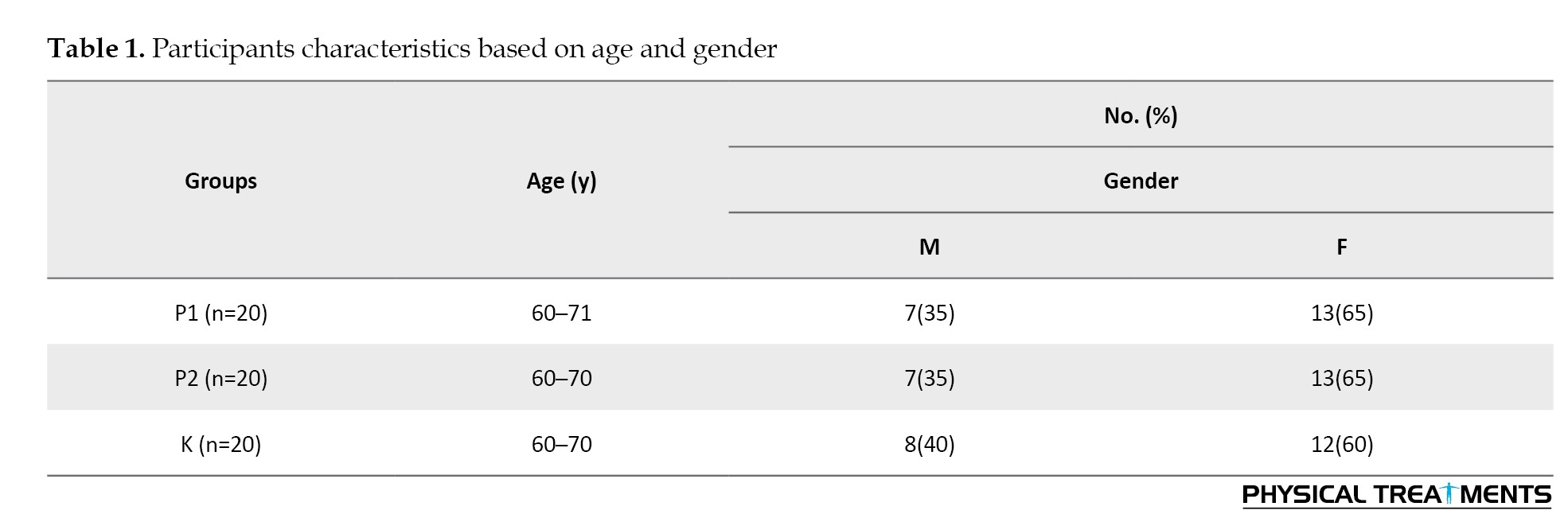
The number of participants in each group (P1, P2, and K) was 20. The age range of respondents in the three groups was 60–71 years and was relatively similar across all groups. This indicates that the respondents' age characteristics align with the study's target population, namely elderly people with osteoarthritis. Gender distribution shows that the majority of respondents in all three groups were women. This data aligns with the prevalence trend of osteoarthritis, which states that this disease is more common in women aged 50 years and over.
The effect of resistance exercise and red ginger compress on uric acid levels
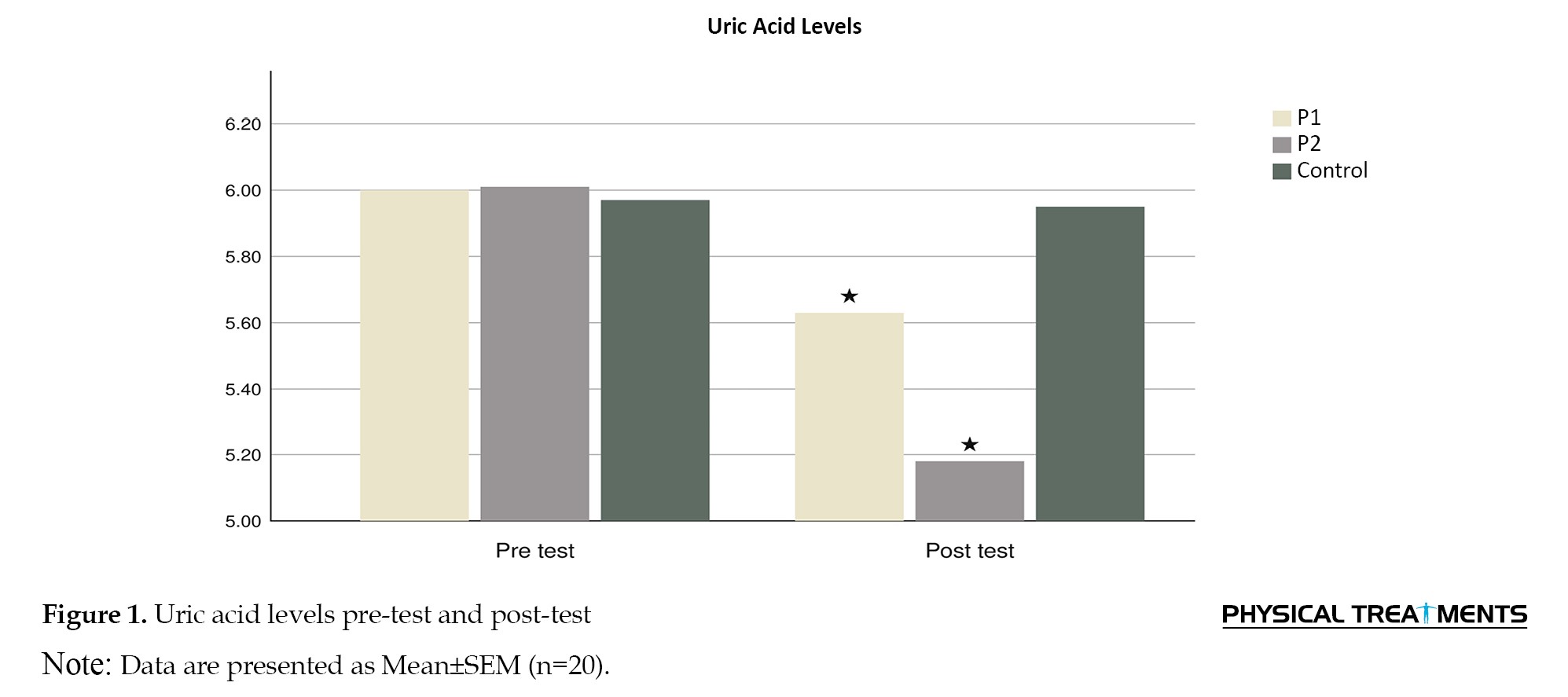
Uric acid levels were measured before and after the 3-week intervention of resistance exercise and red ginger compress in the treatment group (P1 and P2) and group K. Before the intervention, the average uric acid levels in group K were 5.97±1.26, group P1 was 6±1.04, and group P2 was 5.9±1.31. After the intervention, the results of the measurement of uric acid levels in group K were 5.95±1.26, group P1 was 5.63±1.08, and group P2 was 5.18±1.28.
Figure 1 shows that before the intervention, all three groups showed relatively high average uric acid levels.
Osteoarthritis is a common disease that occurs worldwide, especially among the elderly. This condition is characterized by thickening of the subchondral bone, osteophyte formation, ligament damage, inflammation of the synovium, decreased muscle mass, decreased bone density and metabolism, and decreased nervous system function [1, 2]. These changes result in decreased function and tissue damage in the musculoskeletal system, making the aging process a major factor contributing to the development of osteoarthritis. Pain is the most frequently reported symptom and usually worsens during activity or weight-bearing, while joint stiffness often occurs after periods of immobility, such as after waking up [3, 4]. The accumulation of these pathological changes disrupts joint function, reduces mobility, and negatively impacts daily activities (activities of daily living [ADL]) as well as the quality of life of elderly individuals with osteoarthritis [5, 6].
Osteoarthritis has a prognosis that progressively worsens over time, and if left untreated, can lead to decreased muscle strength, impaired physical mobility, and reduced ability to perform ADL. The decline in muscle strength in elderly individuals with osteoarthritis can be managed through physical exercise aimed at improving muscle strength. Resistance exercise is a type of light to moderate-intensity exercise that can accelerate muscle strength improvement, reduce pain, and enhance daily functioning in osteoarthritis patients compared to regular weight training. Resistance exercise is performed for 25 minutes with 5 minutes of warming up and 5 minutes of cooling down [7, 8]. In addition to improving muscle strength, resistance exercise also enhances body balance, thereby reducing the risk of falls in the elderly [9].
Implementing physical muscle-strengthening exercises can be combined with medications to reduce pain and improve joint function. A complementary therapy that can be combined with resistance exercise is red ginger compresses. Red ginger (Zingiber officinale Roscoe var. rubrum) is known to have high antioxidant components as well as strong anti-inflammatory and analgesic effects [5]. Some of the active compounds found in red ginger include gingerol, shogaol, paradol, and zingerone. The anti-inflammatory effect of red ginger works by modulating the concentration and activity of inflammatory mediators in osteoarthritis [10, 11]. However, there are still limited research studies discussing the benefits of red ginger compresses in relieving pain and minimizing osteoarthritis symptoms.
The red ginger compress intervention is a non-pharmacological therapy performed by applying 20 grams of grated ginger topically to the painful area of the body for 20 minutes, three times a week. The application of the red ginger compress provides a relaxing sensation, while the distinctive aroma of ginger synergistically helps relax the muscles and reduce pain perception. The warming effect of ginger induces local vasodilation, which improves blood circulation in the affected area, thereby accelerating the elimination of metabolic waste products that trigger pain, while simultaneously delivering oxygen and nutrients needed for tissue healing [12, 13]. The reduction in pain can enhance comfort and improve the ability to perform ADLs.
Materials and Methods
This quantitative study used a quasi-experimental method with a pre-test-post-test design with a control group. Observations were conducted in November 2024 with a study population consisting of elderly people with osteoarthritis in health services. Sampling was determined using random sampling. Each participant who met the inclusion criteria had an equal opportunity to be selected for the sample. The sample used in this study consisted of 20 participants for each group; the groups used were 3 groups: the control group, treatment group 1, and treatment group 2, resulting in a total sample size of 60 participants.
The sampling technique employed was purposive sampling with inclusion and exclusion criteria. The participants were randomly divided into three groups: two experimental groups (n=20) and one control group (n=20). Group P1 consisted of 20 participants who received a single intervention, namely resistance exercise. Group P2 consisted of 20 participants who received a combination intervention of resistance exercise and red ginger compress. Meanwhile, the control group did not receive any intervention and was only observed as a comparison group.
Data collection and measurement were carried out in two stages: namely before the intervention (pre-test) and after the intervention (post-test). Four parameters were used for data measurement: uric acid level examination, pain scale measurement using the numeric rating scale, qualitative assessment of muscle strength using manual muscle testing, and assessment of the level of independence in performing ADLs using the Katz index.
The inclusion criteria included elderly individuals aged 60–72 years with osteoarthritis who were able to perform resistance exercise with light to moderate intensity. In addition, participants should not have mobility limitations or paralysis. The exclusion criteria included absence from two or more scheduled intervention sessions and unwillingness to continue treatment.
The ethical considerations of this study included informed and voluntary consent, the right to withdraw from the study, and confidentiality protection. All participants provided consent after receiving a clear explanation of the study.
Analysis
The measurement data are presented as Mean±SEM. Normality was tested using the Shapiro–Wilk test. For normally distributed data, differences between pre-test and post-test were analyzed using the paired samples test, followed by one-way analysis of variance (one-way ANOVA) and Tukey HSD post hoc test for intergroup comparisons. For non-normally distributed data, the pre–post analysis was performed using the Wilcoxon signed-rank test, followed by the Kruskal–Wallis test and Mann–Whitney U test for intergroup comparisons. Data were considered statistically significant if P≤0.05. All analyses were performed using SPSS software, version 29.
Resistance exercise
The resistance exercise intervention was conducted to improve muscle strength and joint stability in elderly individuals with osteoarthritis. The exercise was administered for 3 weeks, with three sessions per week. Each session lasted approximately 20–25 minutes and consisted of three phases: warm-up, main exercise, and cool-down. Warm-up (5 minutes): light movements such as static and dynamic stretching to reduce the risk of injury. Main exercise (10–15 minutes): simple resistance movements using a resistance band or body weight. Exercises performed included hip adduction–abduction, hip flexion–extension, hip external–internal rotation, knee flexion–extension, and ankle dorsiflexion–plantarflexion. Exercise intensity was gradually increased according to participants’ abilities, starting from 50% to 70% of 1RM (one-repetition maximum). Cool-down (5 minutes): stretching of the quadriceps, hamstrings, and calves.
The resistance exercises were supervised by healthcare professionals, with safety monitoring of heart rate, respiration, and signs of pain.
Red ginger compress
The intervention procedure was carried out for 3 weeks, three times per week. Each session lasted 20–30 minutes, following the stages below. In the combination intervention, the red ginger compress was applied prior to the resistance exercise.
Preparation: Fresh red ginger was cleaned and then grated or crushed. Application: The compress was placed on the joint area experiencing pain, such as the knee or hip, which had been sterilized beforehand, and then covered with a dry cloth or Hypafix to help retain heat for a longer duration. Duration: The compress was maintained for 20 minutes and could be replaced if it started to cool. Monitoring: Participants were asked to report their comfort level and any skin reactions, such as excessive redness or an intolerable burning sensation
Procedure
Before the study was conducted, the researchers first obtained permission from the relevant authorities. Prospective participants who met the inclusion criteria were then contacted and provided with an explanation regarding the objectives, benefits, and procedures of the study. After expressing their willingness, participants were asked to sign an informed consent form to participate in the study.
Data collection was carried out in two phases, namely the pre-test phase and the post-test phase. In the pre-test phase, measurements of uric acid levels, pain scale, muscle strength, and ADL were conducted using predetermined instruments. Following this, participants underwent the intervention according to their assigned groups. After the intervention period was completed, a post-test was conducted using the same procedures, which included measurements of uric acid levels, pain scale, muscle strength, and ADL. The pre-test and post-test data were then analyzed to determine the differences and effectiveness of the intervention.
Results
Table 1 presents the distribution of respondent characteristics by age and gender.
The number of participants in each group (P1, P2, and K) was 20. The age range of respondents in the three groups was 60–71 years and was relatively similar across all groups. This indicates that the respondents' age characteristics align with the study's target population, namely elderly people with osteoarthritis. Gender distribution shows that the majority of respondents in all three groups were women. This data aligns with the prevalence trend of osteoarthritis, which states that this disease is more common in women aged 50 years and over.
The effect of resistance exercise and red ginger compress on uric acid levels
Uric acid levels were measured before and after the 3-week intervention of resistance exercise and red ginger compress in the treatment group (P1 and P2) and group K. Before the intervention, the average uric acid levels in group K were 5.97±1.26, group P1 was 6±1.04, and group P2 was 5.9±1.31. After the intervention, the results of the measurement of uric acid levels in group K were 5.95±1.26, group P1 was 5.63±1.08, and group P2 was 5.18±1.28.
Figure 1 shows that before the intervention, all three groups showed relatively high average uric acid levels.
After the intervention, groups P1 and P2 showed a decrease in uric acid levels, while group K did not. The analysis results showed a significant difference between groups P1, P2, and the control (P<0.001), with uric acid levels being more controlled in group P2 (P<0.001), which received a combination of resistance exercise and red ginger compress intervention. Meanwhile, the post-test results also showed that group P1 experienced a significant decrease compared to the control group (P<0.001). The greatest decrease in uric acid levels was observed in group P2, indicating that the combination of interventions is more effective than a single intervention.
The effect of resistance exercise and red ginger compress on pain scale
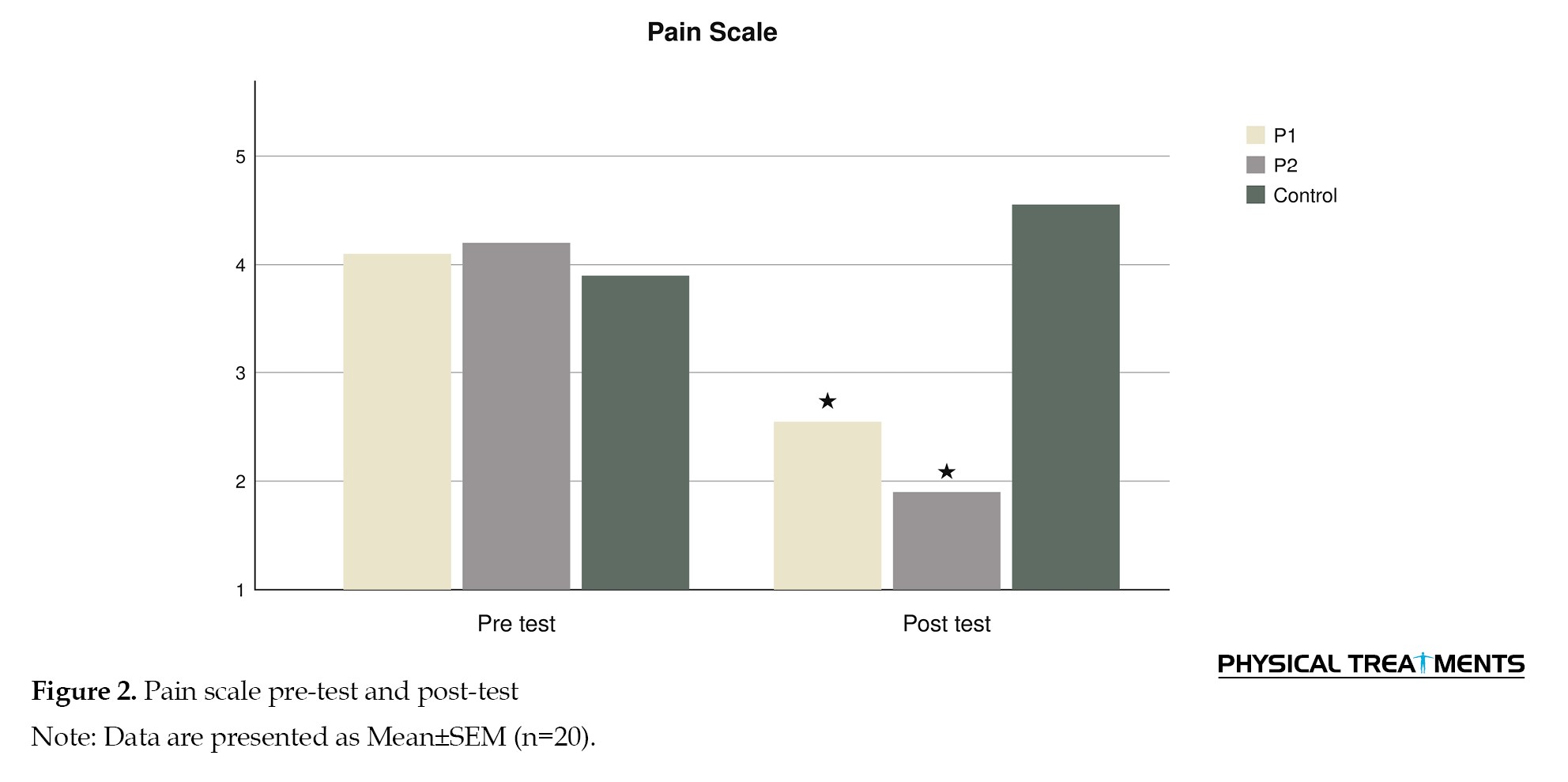
The pain scale was measured before and after the resistance exercise and red ginger compress intervention in groups P1, P2, and the control group. Before the intervention, the average pain scale was 3.9±1.619 in group K, 4.1±1.252 in group P1, and 4.2±1.399 in group P2. After the intervention, the results of the pain scale measurement was 4.55±1.317 in group K, 2.55±1.504 in group P1, and 1.9±1.294 in group P2.
Figure 2 shows that before the intervention, the three groups showed an average pain scale in the moderate pain category.
The effect of resistance exercise and red ginger compress on pain scale
The pain scale was measured before and after the resistance exercise and red ginger compress intervention in groups P1, P2, and the control group. Before the intervention, the average pain scale was 3.9±1.619 in group K, 4.1±1.252 in group P1, and 4.2±1.399 in group P2. After the intervention, the results of the pain scale measurement was 4.55±1.317 in group K, 2.55±1.504 in group P1, and 1.9±1.294 in group P2.
Figure 2 shows that before the intervention, the three groups showed an average pain scale in the moderate pain category.
After the intervention, the pain scale decreased in the P1 and P2 groups. This was inversely proportional to group K, which showed an increase in the pain scale. The analysis results showed a significant difference between groups P1, P2, and K (P<0.001). Group P1 showed a significant decrease in pain compared to group K (P<0.001), while group P2 also showed a significant decrease compared to the control group (P<0.001). This indicates that the second intervention was effective in reducing pain, with higher effectiveness in group P2 (P<0.001), which received a combination of resistance training and red ginger compresses. This indicates that adding red ginger compresses significantly contributed to reducing pain.
The effect of resistance exercise and red ginger compress on muscle strength
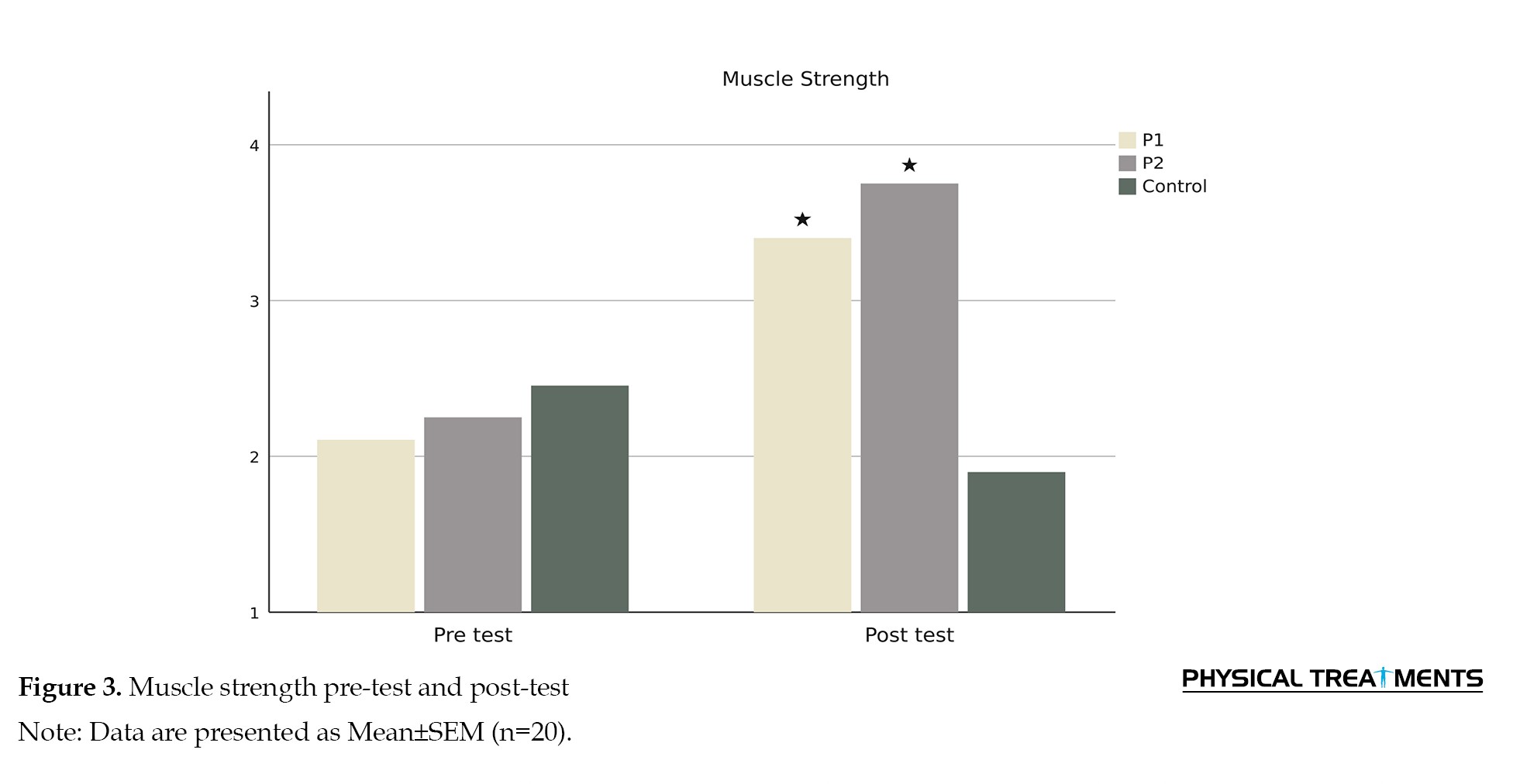
Muscle strength was measured before and after the intervention of resistance exercise and red ginger compress in groups P1, P2, and the control group. Before the intervention, the average muscle strength level in group K was 2.45±0.999, group P1 was 2.1±0.887, and group P2 was 2.25±0.91. After the intervention, the average muscle strength measurement was 1.9±0.912 in group K, 3.4±0.768 in group P1, and 3.75±0.761 in group P2.
Figure 3 shows that in the pre-test phase, muscle strength scores were relatively low and similar across groups P1, P2, and K.
The effect of resistance exercise and red ginger compress on muscle strength
Muscle strength was measured before and after the intervention of resistance exercise and red ginger compress in groups P1, P2, and the control group. Before the intervention, the average muscle strength level in group K was 2.45±0.999, group P1 was 2.1±0.887, and group P2 was 2.25±0.91. After the intervention, the average muscle strength measurement was 1.9±0.912 in group K, 3.4±0.768 in group P1, and 3.75±0.761 in group P2.
Figure 3 shows that in the pre-test phase, muscle strength scores were relatively low and similar across groups P1, P2, and K.
In the post-test phase, groups P1 and P2 showed an increase in muscle strength compared to the pre-test phase. Meanwhile, the control group actually showed a decrease in muscle strength. The post-test results showed that both groups, P1 (P<0.001) and P2 (P<0.001), experienced a significant increase in muscle strength scores. The final results showed no significant difference between groups P1 and P2 (P<0.202); however, a significant difference was observed between P1 and the control group (P<0.001), as well as between P2 and the control group (P<0.001). This indicates that the addition of red ginger compresses does not provide a significant additional effect on muscle strength, and resistance exercise is the main intervention recommended in increasing muscle strength.
The effect of resistance exercise and red ginger compress on activity of daily living
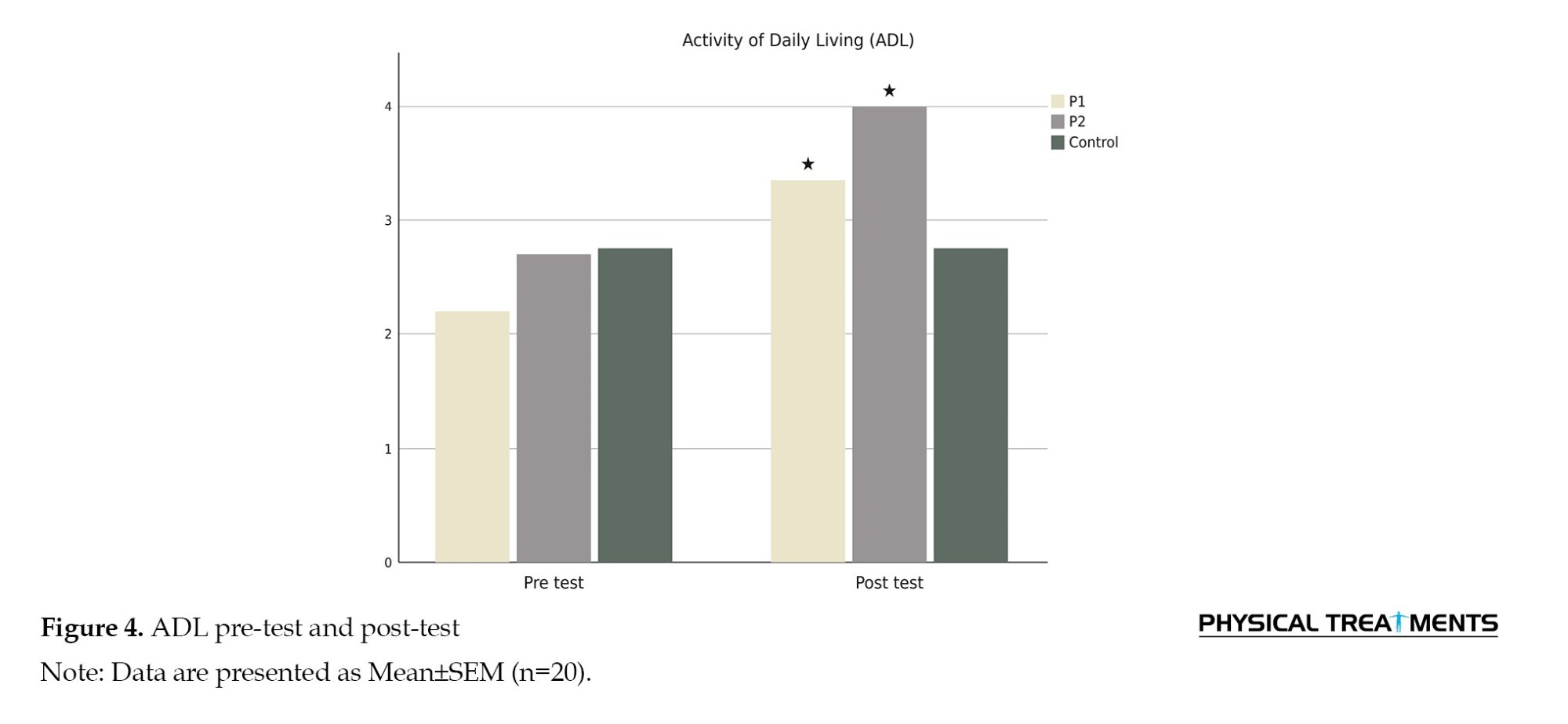
Activity of daily living (ADL) scores were measured before and after the resistance exercise and red ginger compress intervention in groups P1, P2, and the control group. Before the intervention, the average ADL score in group K was 2.75±1.333, group P1 was 2.2±0.951, and group P2 was 2.7±1.38. After the intervention, the average ADL score in group K was 2.45±1.317, group P1 was 3.35±0.875, and group P2 was 4±1.556.
Figure 4 shows that before the intervention, the ADL scores of groups P2 and K showed higher and similar averages compared to group P1.
The effect of resistance exercise and red ginger compress on activity of daily living
Activity of daily living (ADL) scores were measured before and after the resistance exercise and red ginger compress intervention in groups P1, P2, and the control group. Before the intervention, the average ADL score in group K was 2.75±1.333, group P1 was 2.2±0.951, and group P2 was 2.7±1.38. After the intervention, the average ADL score in group K was 2.45±1.317, group P1 was 3.35±0.875, and group P2 was 4±1.556.
Figure 4 shows that before the intervention, the ADL scores of groups P2 and K showed higher and similar averages compared to group P1.
After the intervention, there was a significant increase in ADL scores in groups P1 (P<0.001) and P2 (P<0.001), while the control group showed no change in ADL scores. The final results showed no significant difference between groups P1 and P2 (P<0.262); however, there was a significant difference between P1 and the control group (P<0.001), as well as between P2 and the control group (P<0.001). This indicates that the additional benefit of red ginger compresses on ADL is not significantly proven, and resistance exercise is the main recommended intervention in improving ADL.
Discussion
Osteoarthritis is a degenerative joint disease characterized by progressive damage to cartilage, leading to inflammation and pain, particularly in the knees and hips. This degeneration in elderly individuals results from age-related decline in tissues and organs. The chronic inflammation of osteoarthritis is closely related to increased uric acid levels, which can worsen joint damage and cause more severe pain. Furthermore, this condition can lead to decreased muscle strength and limitations in ADL, thus impacting the quality of life of the elderly [14, 15].
In this study, before the intervention, both the control and treatment groups had average uric acid levels in the high category, severe pain scales, low muscle strength, and low ADL scores. This indicates that osteoarthritis in the elderly at the study site has significantly affected physiological conditions, especially joint function and independence in activities. Recent research shows that osteoarthritis of the knee is one of the leading causes of disability in the elderly population globally, and impacts the loss of independence and increases the burden on families and the health system. A cohort study in Asia reported that more than 60% of elderly people with osteoarthritis experience moderate to severe limitations in ADL, with the level of dependence increasing with the severity of osteoarthritis [16, 17]. This finding is in line with research by Lentz [18], which reported that osteoarthritis causes mobility impairment, increased dependence on basic activities, and an increased risk of complications due to decreased muscle strength and joint stability.
The results of the study showed that after 3 weeks of intervention, there was a significant decrease in uric acid levels in groups P1 (resistance exercise) and P2 (a combination of resistance exercise and red ginger compresses), while the control group showed no significant changes. A greater decrease in uric acid levels occurred in P2. This indicates that the combination of physical exercise and red ginger compresses has a synergistic effect in reducing uric acid levels. The mechanism of reducing uric acid levels through resistance exercise is related to increased purine metabolism and increased blood circulation, which accelerates uric acid excretion through the kidneys [19]. In addition, red ginger contains gingerol and shogaol compounds, which have anti-inflammatory and antioxidant properties, and are able to reduce the activity of the xanthine oxidase enzyme, which is involved in the formation of uric acid [20]. Gupta's research [21] also reported that topical red ginger therapy was effective in reducing uric acid levels and improving symptoms of joint inflammation in osteoarthritis.
A significant reduction in pain scale was also found in groups P1 and P2, with the greatest reduction in group P2. Resistance exercise can reduce pain by increasing the release of endorphins, which act as the body's natural analgesics, and increasing joint stability, thereby reducing pressure on degenerating cartilage [22]. Meanwhile, the warming effect of red ginger compresses triggers local vasodilation, which increases blood flow, accelerates the removal of pain-causing metabolic waste products, and provides muscle relaxation. Topical application of red ginger for 20 minutes can reduce osteoarthritis pain intensity by up to 50% compared to conventional therapy. The findings of this study are consistent with these results, where the highest pain reduction occurred in the combination group due to the dual mechanism of physical exercise and topical herbal therapy [23, 24].
In terms of muscle strength, this study showed significant improvements in groups P1 and P2. Resistance exercise is a form of training designed to increase muscle strength and endurance through repeated contractions against a load. This exercise stimulates muscle fiber hypertrophy and increases neuromuscular activation, which in older adults can prevent muscle atrophy due to inactivity [25]. Resistance exercise three times a week for three weeks significantly increased knee muscle strength in osteoarthritis patients. The greater increase in muscle strength in group P2 suggests that pain reduction through red ginger compresses facilitated more optimal exercise performance, resulting in maximum strength gains [26, 27].
Positive changes also occurred in ADL, with the P2 group showing a higher increase in ADL scores than the P1 group. This improvement in ADL occurred because the combination of interventions improved mobility, reduced dependency, and increased confidence in performing basic activities in older adults. This is supported by research showing that structured physical exercise in older adults with osteoarthritis improves independence and quality of life [28]. Red ginger provides analgesic and anti-inflammatory effects that reduce mobility restrictions, allowing older adults to perform physical activities more effectively. Physiologically, the synergistic mechanism of these two interventions can be explained as follows: resistance exercise strengthens the muscles around the joint, increasing stability and improving tissue perfusion, while red ginger compresses reduce inflammatory mediators, such as tumor necrosis factor-alpha and interleukin-6, which exacerbate joint damage [29, 30]. This combination produces optimal effects in reducing osteoarthritis symptoms while improving function.
The results of this study have important implications for nursing practice and public health. Non-pharmacological interventions such as resistance exercise and red ginger compresses can be a safe, affordable, and effective alternative in the management of osteoarthritis in the elderly, reducing dependence on nonsteroidal anti-inflammatory drugs, which carry the risk of long-term side effects. This program can also be implemented at the healthcare level to improve the quality of life of the elderly.
However, this study has limitations, such as the relatively short intervention duration (3 weeks) and limited sample size. Further studies with longer durations, larger sample sizes, and assessment of inflammatory biomarkers are needed to strengthen the evidence for the effectiveness of this intervention.
Conclusion
This study showed that the combination of resistance exercise and red ginger compresses was most effective in lowering uric acid levels and reducing pain in elderly people with osteoarthritis compared to resistance exercise alone or a control group. Both interventions effectively improved muscle strength and ADL; however, resistance exercise was the primary factor in improving muscle strength and ADL. The combination of these two therapies can be used as an alternative non-pharmacological intervention to manage osteoarthritis and improve quality of life in elderly people. Further research is needed using long-term, large-scale randomized controlled trials to provide a basis for applying research findings to scientific knowledge related to health improvement, particularly in participants with osteoarthritis.
Ethical Considerations
Compliance with ethical guidelines
This study was approved by the Health Research Ethics Committee of Universitas Muhammadiyah Purwokerto, Purwokerto, Indonesia (Code: KEPK/UMP/103/VI/2025).
Funding
This research did not receive any grant from funding agencies in the public, commercial, or non-profit sectors.
Authors' contributions
All authors contributed equally to the conception and design of the study, data collection and analysis, interpretation of the results, and manuscript preparation. All authors approved the submission of the final version of the manuscript for publication.
Conflict of interest
The authors declared no conflict of interest.
Acknowledgments
The authors express their gratitude to Kusuma Husada University, Surakarta, for facilitating this research and express their deepest appreciation for the assistance and valuable contributions of all patients.
Discussion
Osteoarthritis is a degenerative joint disease characterized by progressive damage to cartilage, leading to inflammation and pain, particularly in the knees and hips. This degeneration in elderly individuals results from age-related decline in tissues and organs. The chronic inflammation of osteoarthritis is closely related to increased uric acid levels, which can worsen joint damage and cause more severe pain. Furthermore, this condition can lead to decreased muscle strength and limitations in ADL, thus impacting the quality of life of the elderly [14, 15].
In this study, before the intervention, both the control and treatment groups had average uric acid levels in the high category, severe pain scales, low muscle strength, and low ADL scores. This indicates that osteoarthritis in the elderly at the study site has significantly affected physiological conditions, especially joint function and independence in activities. Recent research shows that osteoarthritis of the knee is one of the leading causes of disability in the elderly population globally, and impacts the loss of independence and increases the burden on families and the health system. A cohort study in Asia reported that more than 60% of elderly people with osteoarthritis experience moderate to severe limitations in ADL, with the level of dependence increasing with the severity of osteoarthritis [16, 17]. This finding is in line with research by Lentz [18], which reported that osteoarthritis causes mobility impairment, increased dependence on basic activities, and an increased risk of complications due to decreased muscle strength and joint stability.
The results of the study showed that after 3 weeks of intervention, there was a significant decrease in uric acid levels in groups P1 (resistance exercise) and P2 (a combination of resistance exercise and red ginger compresses), while the control group showed no significant changes. A greater decrease in uric acid levels occurred in P2. This indicates that the combination of physical exercise and red ginger compresses has a synergistic effect in reducing uric acid levels. The mechanism of reducing uric acid levels through resistance exercise is related to increased purine metabolism and increased blood circulation, which accelerates uric acid excretion through the kidneys [19]. In addition, red ginger contains gingerol and shogaol compounds, which have anti-inflammatory and antioxidant properties, and are able to reduce the activity of the xanthine oxidase enzyme, which is involved in the formation of uric acid [20]. Gupta's research [21] also reported that topical red ginger therapy was effective in reducing uric acid levels and improving symptoms of joint inflammation in osteoarthritis.
A significant reduction in pain scale was also found in groups P1 and P2, with the greatest reduction in group P2. Resistance exercise can reduce pain by increasing the release of endorphins, which act as the body's natural analgesics, and increasing joint stability, thereby reducing pressure on degenerating cartilage [22]. Meanwhile, the warming effect of red ginger compresses triggers local vasodilation, which increases blood flow, accelerates the removal of pain-causing metabolic waste products, and provides muscle relaxation. Topical application of red ginger for 20 minutes can reduce osteoarthritis pain intensity by up to 50% compared to conventional therapy. The findings of this study are consistent with these results, where the highest pain reduction occurred in the combination group due to the dual mechanism of physical exercise and topical herbal therapy [23, 24].
In terms of muscle strength, this study showed significant improvements in groups P1 and P2. Resistance exercise is a form of training designed to increase muscle strength and endurance through repeated contractions against a load. This exercise stimulates muscle fiber hypertrophy and increases neuromuscular activation, which in older adults can prevent muscle atrophy due to inactivity [25]. Resistance exercise three times a week for three weeks significantly increased knee muscle strength in osteoarthritis patients. The greater increase in muscle strength in group P2 suggests that pain reduction through red ginger compresses facilitated more optimal exercise performance, resulting in maximum strength gains [26, 27].
Positive changes also occurred in ADL, with the P2 group showing a higher increase in ADL scores than the P1 group. This improvement in ADL occurred because the combination of interventions improved mobility, reduced dependency, and increased confidence in performing basic activities in older adults. This is supported by research showing that structured physical exercise in older adults with osteoarthritis improves independence and quality of life [28]. Red ginger provides analgesic and anti-inflammatory effects that reduce mobility restrictions, allowing older adults to perform physical activities more effectively. Physiologically, the synergistic mechanism of these two interventions can be explained as follows: resistance exercise strengthens the muscles around the joint, increasing stability and improving tissue perfusion, while red ginger compresses reduce inflammatory mediators, such as tumor necrosis factor-alpha and interleukin-6, which exacerbate joint damage [29, 30]. This combination produces optimal effects in reducing osteoarthritis symptoms while improving function.
The results of this study have important implications for nursing practice and public health. Non-pharmacological interventions such as resistance exercise and red ginger compresses can be a safe, affordable, and effective alternative in the management of osteoarthritis in the elderly, reducing dependence on nonsteroidal anti-inflammatory drugs, which carry the risk of long-term side effects. This program can also be implemented at the healthcare level to improve the quality of life of the elderly.
However, this study has limitations, such as the relatively short intervention duration (3 weeks) and limited sample size. Further studies with longer durations, larger sample sizes, and assessment of inflammatory biomarkers are needed to strengthen the evidence for the effectiveness of this intervention.
Conclusion
This study showed that the combination of resistance exercise and red ginger compresses was most effective in lowering uric acid levels and reducing pain in elderly people with osteoarthritis compared to resistance exercise alone or a control group. Both interventions effectively improved muscle strength and ADL; however, resistance exercise was the primary factor in improving muscle strength and ADL. The combination of these two therapies can be used as an alternative non-pharmacological intervention to manage osteoarthritis and improve quality of life in elderly people. Further research is needed using long-term, large-scale randomized controlled trials to provide a basis for applying research findings to scientific knowledge related to health improvement, particularly in participants with osteoarthritis.
Ethical Considerations
Compliance with ethical guidelines
This study was approved by the Health Research Ethics Committee of Universitas Muhammadiyah Purwokerto, Purwokerto, Indonesia (Code: KEPK/UMP/103/VI/2025).
Funding
This research did not receive any grant from funding agencies in the public, commercial, or non-profit sectors.
Authors' contributions
All authors contributed equally to the conception and design of the study, data collection and analysis, interpretation of the results, and manuscript preparation. All authors approved the submission of the final version of the manuscript for publication.
Conflict of interest
The authors declared no conflict of interest.
Acknowledgments
The authors express their gratitude to Kusuma Husada University, Surakarta, for facilitating this research and express their deepest appreciation for the assistance and valuable contributions of all patients.
References
- Amalia PB, Astuti D, Widyastuti R. Analisis faktor risiko terjadinya osteoarthritis. CoMPHI Journal. 2023; 4(2):133-40.[DOI:10.37148/comphijournal.v4i2.158]
- Fadhil AR, Rizqillah IP, Naufal AF, Sudaryanto WT. Penyuluhan osteoarthritis pada komunitas lansia di panti lansia sentra terpadu surakarta. Jurnal Pengabdian Masyarakat Bangsa. 2024; 2(8):3407-13. [DOI:10.59837/jpmba.v2i8.1482]
- Rivaldi M, Wardojo SS, Selviana A. Edukasi dan penyuluhan fisioterapi dalam meningkatkan pengetahuan osteoarthritis di komunitas lansia posyandu rampal celaket. Health Care: Journal of Community Service. 2024; 2(2):129-37. [DOI:10.62354/thrgcx32]
- Pelletier JP, Paiement P, Dorais M, Raynauld JP, Martel-Pelletier J. Risk factors for the long-term incidence and progression of knee osteoarthritis in older adults: Role of nonsurgical injury. Therapeutic Advances in Chronic Disease. 2023; 14:20406223231169715. [DOI:10.1177/20406223231169715] [PMID] [PMCID]
- Bahri F, Mansoori M, Vafaei S, Fooladi S, Mir Y, Mehrabani M, et al. a comprehensive review on ginger-derived exosome-like nanoparticles as feasible therapeutic nano-agents against diseases. Materials Advances. 2024; 5(5):1846-67. [DOI:10.1039/D3MA00856H]
- Xia R, Zhai Z, Zhang J, Yu D, Wang L, Mao Y, et al. Verification and clinical translation of a newly designed "Skywalker" robot for total knee arthroplasty: A prospective clinical study. Journal of Orthopaedic Translation. 2021; 29:143-51. [DOI:10.1016/j.jot.2021.05.006] [PMID] [PMCID]
- Wei G, Shang Z, Li Y, Wu Y, Zhang L. Effects of lower-limb active resistance exercise on mobility, physical function, knee strength and pain intensity in patients with total knee arthroplasty: A systematic review and meta-analysis. BMC Musculoskeletal Disorders. 2024; 25(1):730. [DOI:10.1186/s12891-024-07845-9] [PMID] [PMCID]
- Turner MN, Hernandez DO, Cade W, Emerson CP, Reynolds JM, Best TM. The role of resistance training dosing on pain and physical function in individuals with knee osteoarthritis: A systematic review. Sports Health. 2020 ; 12(2):200-6. [DOI:10.1177/1941738119887183] [PMID] [PMCID]
- Chen SM, Shen FC, Chen JF, Chang WD, Chang NJ. Effects of resistance exercise on glycated hemoglobin and functional performance in older patients with comorbid diabetes mellitus and knee osteoarthritis: A randomized trial. International Journal Of Environmental Research and Public Health. 2019; 17(1):224. [DOI:10.3390/ijerph17010224] [PMID] [PMCID]
- Szymczak J, Grygiel-Górniak B, Cielecka-Piontek J. Zingiber officinale roscoe: The antiarthritic potential of a popular spice-preclinical and clinical evidence. Nutrients. 2024; 16(5):741. [DOI:10.3390/nu16050741] [PMID] [PMCID]
- Rondanelli M, Fossari F, Vecchio V, Gasparri C, Peroni G, Spadaccini D, et al. Clinical trials on pain lowering effect of ginger: A narrative review. Phytotherapy Research. 2020; 34(11):2843-56. [DOI:10.1002/ptr.6730] [PMID] [PMCID]
- Zolotov Y, Metri S, Calabria E, Kogan M. Medical cannabis education among healthcare trainees: A scoping review. Complementary Therapies in Medicine. 2021; 58:102675. [DOI:10.1016/j.ctim.2021.102675] [PMID]
- Miller RE, Tran PB, Ishihara S, Syx D, Ren D, Miller RJ, Valdes AM, Malfait AM. Microarray analyses of the dorsal root ganglia support a role for innate neuro-immune pathways in persistent pain in experimental osteoarthritis. Osteoarthritis and Cartilage. 2020;2 8(5):581-92. [DOI:10.1016/j.joca.2020.01.008] [PMID] [PMCID]
- Giorgino R, Albano D, Fusco S, Peretti GM, Mangiavini L, Messina C. Knee osteoarthritis: epidemiology, pathogenesis, and mesenchymal stem cells: What else is new? An Update. International Journal of Molecular Sciences. 2023; 24(7):6405. [DOI:10.3390/ijms24076405] [PMID] [PMCID]
- Wijnhoven HAH, Kok AAL, Schaap LA, Hoekstra T, van Stralen MM, Twisk JWR, et al. The associations between sleep quality, mood, pain and appetite in community dwelling older adults: A daily experience study.The Journal of Nutrition, Health & Aging. 2024; 28(2):100028. [DOI:10.1016/j.jnha.2023.100028] [PMID] [PMCID]
- Costa D, Cruz EB, Lopes DG, da Silva CN, Henriques AR, Luis D, et al. Prevalence of and factors associated with unmanageable pain levels in people with knee or hip osteoarthritis: A cross-sectional population-based study. BMC Musculoskeletal Disorders. 2023; 24(1):60. [DOI:10.1186/s12891-022-06110-1] [PMID] [PMCID]
- Costa D, Lopes DG, Cruz EB, Henriques AR, Branco J, Canhão H, et al. Trajectories of physical function and quality of life in people with osteoarthritis: Results from a 10-year population-based cohort. BMC Public Health. 2023; 23(1):1407. [DOI:10.1186/s12889-023-16167-9] [PMID] [PMCID]
- Lentz TA, Hellkamp AS, Bhavsar NA, Goode AP, Manhapra A, George SZ. Assessment of common comorbidity phenotypes among older adults with knee osteoarthritis to inform integrated care models. Mayo Clinic Proceedings: Innovations, Quality & Outcomes. 2021; 5(2):253-64. [DOI:10.1016/j.mayocpiqo.2020.09.011] [PMID] [PMCID]
- Jiang Z, Cao J, Su H, Cao H, Sun Z, Jiang H, et al. Exercise serum regulates uric acid transporters in normal rat kidney cells. Scientific Reports. 2022; 12(1):18086. [DOI:10.1038/s41598-022-22570-w] [PMID] [PMCID]
- Ballester P, Cerdá B, Arcusa R, Marhuenda J, Yamedjeu K, Zafrilla P. Effect of Ginger on Inflammatory Diseases. Molecules. 2022; 27(21):7223. [DOI:10.3390/molecules27217223] [PMID] [PMCID]
- Gupta J, Sharma B, Sorout R, Singh RG, Sharma MC. Ginger (Zingiber officinale) in traditional Chinese medicine: A comprehensive review of its anti-inflammatory properties and clinical applications. Pharmacological Research-Modern Chinese Medicine. 2025; 14:100561. [DOI:10.1016/j.prmcm.2024.100561]
- Dos Santos LP, Santo RCDE, Ramis TR, Portes JKS, Chakr RMDS, Xavier RM. The effects of resistance training with blood flow restriction on muscle strength, muscle hypertrophy and functionality in patients with osteoarthritis and rheumatoid arthritis: A systematic review with meta-analysis. Plos One. 2021; 16(11):e0259574. [DOI:10.1371/journal.pone.0259574] [PMID] [PMCID]
- Mohd Sahardi NFN, Jaafar F, Tan JK, Mad Nordin MF, Makpol S. Elucidating the pharmacological properties of zingiber officinale roscoe (Ginger) on muscle ageing by untargeted metabolomic profiling of human myoblasts. Nutrients. 2023; 15(21):4520. [DOI:10.3390/nu15214520] [PMID] [PMCID]
- Wijaya AK, Ferasinta Y. The effect of warm red ginger compress therapy on the decrease in rheumatoid arthritis pain in the elderly at the social institution tresna werdha pagar dewa bengkulu. Indian Journal of Forensic Medicine & Toxicology. 2020; 14(4):3040-5. [DOI:10.37506/ijfmt.v14i4.12052]
- Warneke K, Lohmann LH, Lima CD, Hollander K, Konrad A, Zech A, et al. Physiology of stretch-mediated hypertrophy and strength increases: A narrative review. Sports Medicine. 2023; 53(11):2055-75. [DOI:10.1007/s40279-023-01898-x] [PMID] [PMCID]
- Lim J, Choi A, Kim B. The effects of resistance training on pain, strength, and function in osteoarthritis: Systematic review and meta-analysis. Journal of Personalized Medicine. 2024; 14(12):1130. [DOI:10.3390/jpm14121130] [PMID] [PMCID]
- Ohno C, Ogawa T, Taniguchi T, Kinoshita T, Fujita Y, Nishimura Y, et al. Effect of 3-week preoperative rehabilitation on pain and daily physical activities in patients with severe osteoarthritis undergoing total knee arthroplasty. British Journal of Pain. 2022; 16(5):472-80. [DOI:10.1177/20494637221084190] [PMID] [PMCID]
- Si J, Sun L, Li Z, Zhu W, Yin W, Peng L. Effectiveness of home-based exercise interventions on pain, physical function and quality of life in individuals with knee osteoarthritis: A systematic review and meta-analysis. Journal of Orthopaedic Surgery and Research. 2023; 18(1):503. [DOI:10.1186/s13018-023-04004-z] [PMID] [PMCID]
- Broeckel J, Estes L, Leonard M, Dickerson BL, Gonzalez DE, Purpura M,et al. Effects of ginger supplementation on markers of inflammation and functional capacity in individuals with mild to moderate joint pain. Nutrients. 2025; 17(14):2365. [DOI:10.3390/nu17142365] [PMID] [PMCID]
- Wang YH, Jiang HC, Luo DL, Jiang BG, Shen YJ, Zhou HH, et al. Effect of resistance exercise on peripheral inflammatory biomarkers in healthy adults: A meta-analysis of randomized controlled trials. European Review for Medical & Pharmacological Sciences. 2022; 26(21):7742. [Link]
Type of Study: Research |
Subject:
Physical Therapy
Received: 2025/10/7 | Accepted: 2026/01/31 | Published: 2026/06/23
Received: 2025/10/7 | Accepted: 2026/01/31 | Published: 2026/06/23
Send email to the article author
| Rights and permissions | |
 |
This work is licensed under a Creative Commons Attribution-NonCommercial 4.0 International License. |

This is an open access article distributed under the terms of the Creative Commons Attribution-NonCommercial 4.0 (CC-By-NC 4.0), which permits use, distribution, and reproduction in any medium, provided the original work is properly cited and is not used for commercial purposes.
Contact Information