Thu, Oct 1, 2026
Volume 16 - Special Issue(Exercise Therapy in Action)
PTJ 2026, 16 - Special Issue(Exercise Therapy in Action): 369-380 |
Back to browse issues page



Download citation:
BibTeX | RIS | EndNote | Medlars | ProCite | Reference Manager | RefWorks
Send citation to:


BibTeX | RIS | EndNote | Medlars | ProCite | Reference Manager | RefWorks
Send citation to:
Chandra K A, Amanda A P, Nathania J, Aritonang M. The Effect of Hydrotherapy on Range of Motion and Pain in Hemophilia: A Meta-Analysis. PTJ 2026; 16 (S1) :369-380
URL: http://ptj.uswr.ac.ir/article-1-827-en.html
URL: http://ptj.uswr.ac.ir/article-1-827-en.html

1- Mgr. Gabriel Manek Atambua, General Regional Hospital, Belu, Indonesia.
2- Bunda Citra Harapan Hospital, Bekasi, Indonesia.
3- St. Carolus Borromeus Hospital, Kupang, Indonesia.
4- Cideres General Regional Hospital, Majalengka, Indonesia.
2- Bunda Citra Harapan Hospital, Bekasi, Indonesia.
3- St. Carolus Borromeus Hospital, Kupang, Indonesia.
4- Cideres General Regional Hospital, Majalengka, Indonesia.
Full-Text [PDF 1417 kb]
(323 Downloads)
| Abstract (HTML) (895 Views)
Full-Text: (27 Views)
Introduction
Hemophilia is an inherited disorder that occurs when plasma clotting factors are lacking or insufficient, leading to spontaneous bleeding in the joints, brain, skin, gums, or other tissues [1]. It results from mutations on the X chromosome [2]. The annual global survey 2024 from World Federation of Hemophilia (WFH) reported that 489,356 people were diagnosed with a bleeding disorder, and 289,304 among them were attributed to hemophilia [3]. While prophylaxis remains the gold standard for managing hemophilia, curative treatments have not yet been found. Other treatments may improve quality of life, reduce morbidity and mortality, and prevent complications [4].
Exercise training and rehabilitation are non-pharmacological approaches to numerous diseases [5]. However, land-based exercises may increase joint loading and provoke pain or fear of movement, particularly in individuals with established arthropathy. This can limit exercise tolerance and participation in rehabilitation programs [6]. Hydrotherapy uses water for therapeutic exercise, temperature control, buoyant effect, and hydrostatic pressure to support mobility while lessening stress on the joints. It may promote muscle strength, improve joint mobility, and lower intra-articular pressure, pain, and swelling [7, 8].
Hydrotherapy may prevent acute bleeding and chronic hemophilic arthropathy in patients with hemophilia by reducing joint weight-bearing stress and gravitational load during functional exercise [8, 9]. Studies have reported that hydrotherapy increases overall physical improvement and reduces the number of joint bleeds [10, 11]. Despite existing studies, comprehensive meta-analyses examining its effectiveness in this group are lacking. Additionally, existing evidence remains inconsistent regarding the magnitude of its effects across studies. Differences in study design, intervention duration, and patient characteristics may contribute to the variability in reported outcomes. We hypothesized that hydrotherapy would be associated with improvements in joint mobility and pain reduction compared with land-based exercise interventions.
Material and Methods
This review and meta-analysis were conducted in accordance with the preferred reporting items for systematic reviews and meta-analysis (PRISMA) 2020 guidelines [12]. Details of the protocol are available in the International Prospective Register of Systematic Reviews (PROSPERO) with the following registration number: CRD42024594679.
Eligibility criteria
Type of studies
We included published studies and attempted to identify unpublished or ongoing trials through clinical trial registries that investigated the effects of hydrotherapy on improving joint range of motion (ROM) and pain in individuals with hemophilia. Hydrotherapy was defined as a structured exercise-based program performed in a therapeutic pool and supervised by qualified personnel. The exclusion criteria comprised review articles, cross-sectional designs, case reports/series, conference proceedings, book chapters, opinion pieces, and animal studies.
Participants
This review included studies involving patients with hemophilia of any type, age, or severity. Studies that did not focus on patients with hemophilia or included participants outside this population were excluded.
Variable of interest
This research was designed to assess the benefits of aquatic-based exercise or hydrotherapy on joint ROM and pain severity in patients with hemophilia of all types and severities.
Outcome of interest
The primary outcomes of interest in this study included improvements in joint ROM and pain, which are critical indicators of physical functionality in patients with hemophilia.
Search strategy and study selection
The database search was initially conducted in October 2024 and updated in November 2025, using several electronic databases including PubMed, ProQuest, ScienceDirect, Cochrane, PEDro, ClinicalTrials.gov, and World Health Organization (WHO) International Clinical Trials Registry Platform (ICTRP). Three independent reviewers performed the search using a combination of MeSH and keywords related to hemophilia, hydrotherapy, aquatic exercise, ROM, and pain. The PubMed search strategy included the following Boolean structure: ("aquatic therapy"[Mesh] OR "hydrotherapy"[Mesh] OR "aquatic therapy"[Text Word] OR "hydrotherapy"[Text Word] OR "water-based exercise"[Text Word] OR "aquatic exercise"[Text Word] OR "water therapy"[Text Word] OR "pool exercise"[Text Word]). Search strategies for ProQuest, ScienceDirect, Cochrane, and PEDro were adapted using equivalent keywords and indexing terms, while ClinicalTrials.gov and ICTRP were searched using the terms hemophilia, hydrotherapy, aquatic therapy, and exercise to identify ongoing or unpublished trials. Zotero software was employed to manage all studies gathered from the search, and titles/abstracts screening was independently conducted by three reviewers, with concordance discussed after each round. Studies considered suitable were subsequently subjected to full-text evaluation based on the established inclusion and exclusion criteria. No publication year restriction was applied, and only human studies were included.
Data collection process
Information retrieved from each study included authorship, year, country, design, participant age and population, selection criteria, intervention applied, and outcomes assessed.
Summary measures
Joint ROM and pain severity after intervention were the main outcomes. To represent the effect size, the standardized mean differences (SMDs) with 95% confidence intervals (95% CI) were extracted. P values were also reported to indicate statistical significance.
Assessment of risk of bias/quality assessment
The risk of bias for randomized controlled trials was assessed using the ROB 2.0 tool, which evaluates seven key aspects related to study validity, including the randomization process, allocation concealment, blinding of participants and outcome assessors, completeness of outcome data, selective outcome reporting, and other potential sources of bias. For non-randomized studies, the risk of bias in non-randomized studies - of interventions (ROBINS-I) tool (V2) was employed to assess potential bias arising from confounding factors, intervention classification, participant selection, deviations from intended interventions, missing data, outcome measurement, and the selection of reported results [13, 14].
Each study domain was assessed for potential bias and classified into low, moderate, high, and critical categories. Based on these ratings, the overall quality of trials was assigned to one of four groups: (1) low risk of bias, (2) moderate risk of bias, (3) high risk of bias, and (4) critical risk of bias [13, 14]. All studies were appraised independently by three reviewers. Conflicting assessments were resolved through discussion with the full review team until a mutual agreement was established.
Publication bias was assessed quantitatively using Egger's regression test and visually through a funnel plot when ≥10 studies were available for a given outcome. A P<0.05 in Egger's test was considered indicative of potential publication bias.
Synthesis of results and statistical analysis
Data were extracted and synthesized using Review Manager. Participants were classified into intervention (hydrotherapy) and control groups. Due to variations in outcome evaluation methods across studies, a random-effects model was applied, assuming heterogeneity in treatment effects and assigning more balanced weights to each study. This approach also allowed extrapolation to a broader population, particularly when additional studies were incorporated. Pooled effect estimates for continuous data were calculated using the inverse variance method. For proportional outcomes, if applicable, the Mantel-Haenszel method was used to calculate pooled effect estimates based on categorical data. Since different measurement scales were used across studies, SMDs were selected as the most appropriate effect size for continuous outcomes. This approach allows for the comparison of results across studies that used different instruments or units to assess the same outcome. Heterogeneity was assessed using the I² statistic. Results were considered statistically significant when P<0.05.
Confidence in cumulative evidence
Confidence in the body of evidence was evaluated according to the grades of recommendation, assessment, development, and evaluation (GRADE) framework [15]. Under the GRADE system, evidence quality is judged based on risk of bias, relevance to the research question, consistency across studies, precision of estimates, and potential publication bias. Evidence quality was classified into four categories: high, moderate, low, and very low.
Results
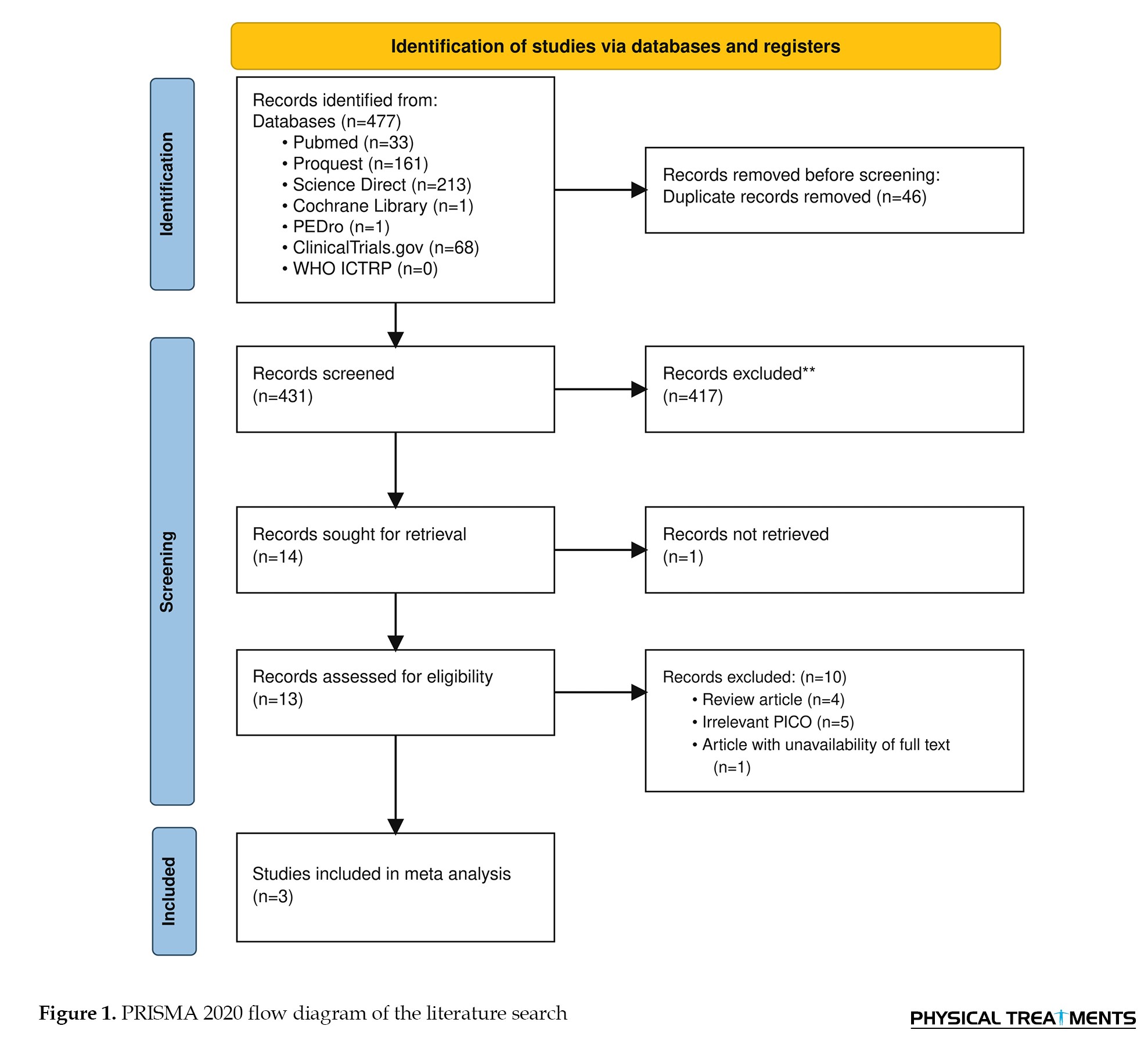
Figure 1 shows a detailed overview of the study selection process and its outcomes.
Hemophilia is an inherited disorder that occurs when plasma clotting factors are lacking or insufficient, leading to spontaneous bleeding in the joints, brain, skin, gums, or other tissues [1]. It results from mutations on the X chromosome [2]. The annual global survey 2024 from World Federation of Hemophilia (WFH) reported that 489,356 people were diagnosed with a bleeding disorder, and 289,304 among them were attributed to hemophilia [3]. While prophylaxis remains the gold standard for managing hemophilia, curative treatments have not yet been found. Other treatments may improve quality of life, reduce morbidity and mortality, and prevent complications [4].
Exercise training and rehabilitation are non-pharmacological approaches to numerous diseases [5]. However, land-based exercises may increase joint loading and provoke pain or fear of movement, particularly in individuals with established arthropathy. This can limit exercise tolerance and participation in rehabilitation programs [6]. Hydrotherapy uses water for therapeutic exercise, temperature control, buoyant effect, and hydrostatic pressure to support mobility while lessening stress on the joints. It may promote muscle strength, improve joint mobility, and lower intra-articular pressure, pain, and swelling [7, 8].
Hydrotherapy may prevent acute bleeding and chronic hemophilic arthropathy in patients with hemophilia by reducing joint weight-bearing stress and gravitational load during functional exercise [8, 9]. Studies have reported that hydrotherapy increases overall physical improvement and reduces the number of joint bleeds [10, 11]. Despite existing studies, comprehensive meta-analyses examining its effectiveness in this group are lacking. Additionally, existing evidence remains inconsistent regarding the magnitude of its effects across studies. Differences in study design, intervention duration, and patient characteristics may contribute to the variability in reported outcomes. We hypothesized that hydrotherapy would be associated with improvements in joint mobility and pain reduction compared with land-based exercise interventions.
Material and Methods
This review and meta-analysis were conducted in accordance with the preferred reporting items for systematic reviews and meta-analysis (PRISMA) 2020 guidelines [12]. Details of the protocol are available in the International Prospective Register of Systematic Reviews (PROSPERO) with the following registration number: CRD42024594679.
Eligibility criteria
Type of studies
We included published studies and attempted to identify unpublished or ongoing trials through clinical trial registries that investigated the effects of hydrotherapy on improving joint range of motion (ROM) and pain in individuals with hemophilia. Hydrotherapy was defined as a structured exercise-based program performed in a therapeutic pool and supervised by qualified personnel. The exclusion criteria comprised review articles, cross-sectional designs, case reports/series, conference proceedings, book chapters, opinion pieces, and animal studies.
Participants
This review included studies involving patients with hemophilia of any type, age, or severity. Studies that did not focus on patients with hemophilia or included participants outside this population were excluded.
Variable of interest
This research was designed to assess the benefits of aquatic-based exercise or hydrotherapy on joint ROM and pain severity in patients with hemophilia of all types and severities.
Outcome of interest
The primary outcomes of interest in this study included improvements in joint ROM and pain, which are critical indicators of physical functionality in patients with hemophilia.
Search strategy and study selection
The database search was initially conducted in October 2024 and updated in November 2025, using several electronic databases including PubMed, ProQuest, ScienceDirect, Cochrane, PEDro, ClinicalTrials.gov, and World Health Organization (WHO) International Clinical Trials Registry Platform (ICTRP). Three independent reviewers performed the search using a combination of MeSH and keywords related to hemophilia, hydrotherapy, aquatic exercise, ROM, and pain. The PubMed search strategy included the following Boolean structure: ("aquatic therapy"[Mesh] OR "hydrotherapy"[Mesh] OR "aquatic therapy"[Text Word] OR "hydrotherapy"[Text Word] OR "water-based exercise"[Text Word] OR "aquatic exercise"[Text Word] OR "water therapy"[Text Word] OR "pool exercise"[Text Word]). Search strategies for ProQuest, ScienceDirect, Cochrane, and PEDro were adapted using equivalent keywords and indexing terms, while ClinicalTrials.gov and ICTRP were searched using the terms hemophilia, hydrotherapy, aquatic therapy, and exercise to identify ongoing or unpublished trials. Zotero software was employed to manage all studies gathered from the search, and titles/abstracts screening was independently conducted by three reviewers, with concordance discussed after each round. Studies considered suitable were subsequently subjected to full-text evaluation based on the established inclusion and exclusion criteria. No publication year restriction was applied, and only human studies were included.
Data collection process
Information retrieved from each study included authorship, year, country, design, participant age and population, selection criteria, intervention applied, and outcomes assessed.
Summary measures
Joint ROM and pain severity after intervention were the main outcomes. To represent the effect size, the standardized mean differences (SMDs) with 95% confidence intervals (95% CI) were extracted. P values were also reported to indicate statistical significance.
Assessment of risk of bias/quality assessment
The risk of bias for randomized controlled trials was assessed using the ROB 2.0 tool, which evaluates seven key aspects related to study validity, including the randomization process, allocation concealment, blinding of participants and outcome assessors, completeness of outcome data, selective outcome reporting, and other potential sources of bias. For non-randomized studies, the risk of bias in non-randomized studies - of interventions (ROBINS-I) tool (V2) was employed to assess potential bias arising from confounding factors, intervention classification, participant selection, deviations from intended interventions, missing data, outcome measurement, and the selection of reported results [13, 14].
Each study domain was assessed for potential bias and classified into low, moderate, high, and critical categories. Based on these ratings, the overall quality of trials was assigned to one of four groups: (1) low risk of bias, (2) moderate risk of bias, (3) high risk of bias, and (4) critical risk of bias [13, 14]. All studies were appraised independently by three reviewers. Conflicting assessments were resolved through discussion with the full review team until a mutual agreement was established.
Publication bias was assessed quantitatively using Egger's regression test and visually through a funnel plot when ≥10 studies were available for a given outcome. A P<0.05 in Egger's test was considered indicative of potential publication bias.
Synthesis of results and statistical analysis
Data were extracted and synthesized using Review Manager. Participants were classified into intervention (hydrotherapy) and control groups. Due to variations in outcome evaluation methods across studies, a random-effects model was applied, assuming heterogeneity in treatment effects and assigning more balanced weights to each study. This approach also allowed extrapolation to a broader population, particularly when additional studies were incorporated. Pooled effect estimates for continuous data were calculated using the inverse variance method. For proportional outcomes, if applicable, the Mantel-Haenszel method was used to calculate pooled effect estimates based on categorical data. Since different measurement scales were used across studies, SMDs were selected as the most appropriate effect size for continuous outcomes. This approach allows for the comparison of results across studies that used different instruments or units to assess the same outcome. Heterogeneity was assessed using the I² statistic. Results were considered statistically significant when P<0.05.
Confidence in cumulative evidence
Confidence in the body of evidence was evaluated according to the grades of recommendation, assessment, development, and evaluation (GRADE) framework [15]. Under the GRADE system, evidence quality is judged based on risk of bias, relevance to the research question, consistency across studies, precision of estimates, and potential publication bias. Evidence quality was classified into four categories: high, moderate, low, and very low.
Results
Figure 1 shows a detailed overview of the study selection process and its outcomes.
A database search yielded 477 records. After removing 46 duplicates, 431 were screened, with 417 excluded. Of 14 full-texts sought, one was unretrievable, and 10 were excluded. Altogether, three studies were deemed eligible for inclusion in the present systematic review and meta-analysis [16–18], with publication years ranging from 2013 to 2015.
Quality assessment
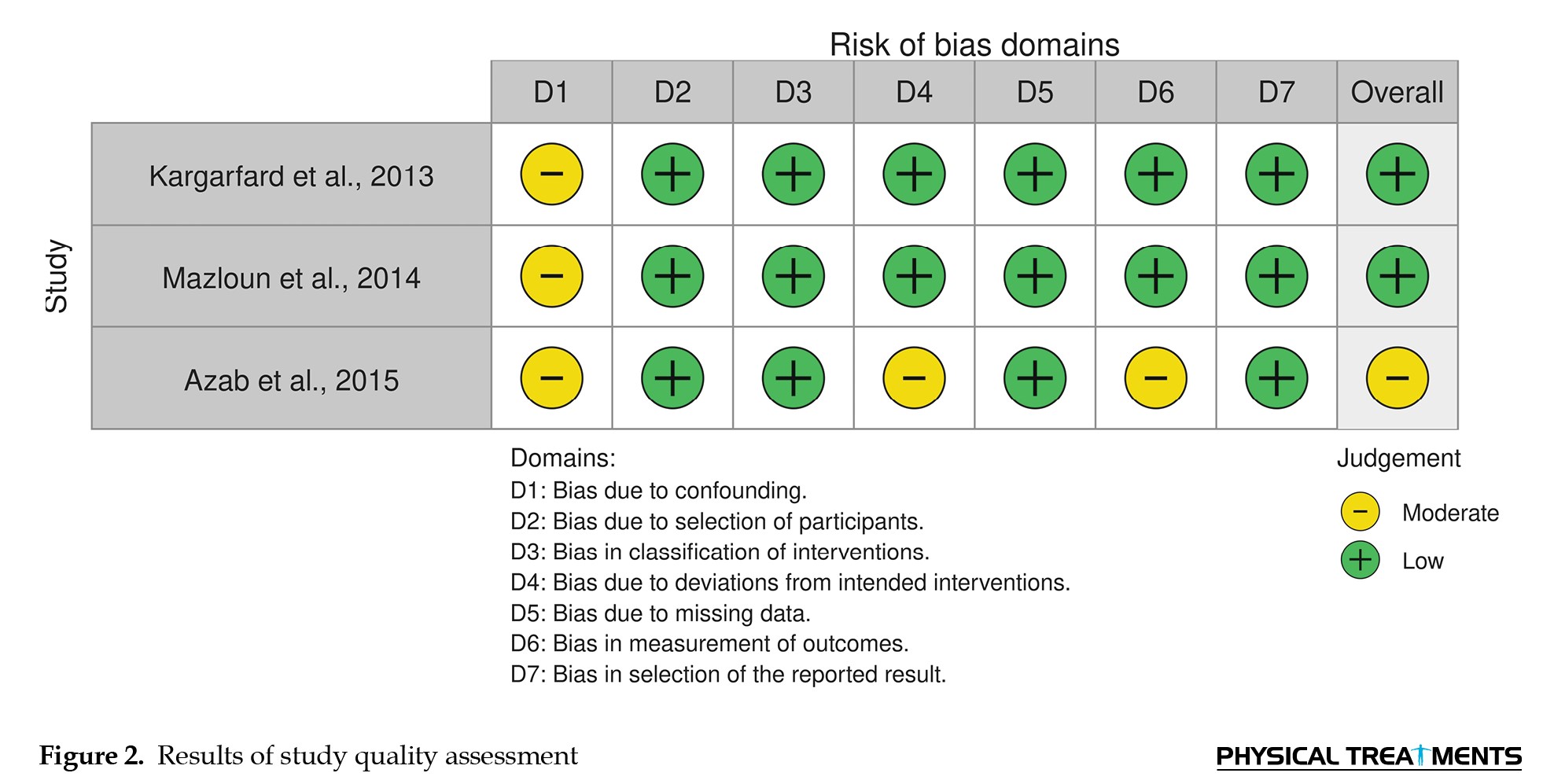
The ROBINS-I framework was employed to evaluate the risk of bias in the included studies (Figure 2).
Quality assessment
The ROBINS-I framework was employed to evaluate the risk of bias in the included studies (Figure 2).
Two studies (Mazloum et al. and Kargarfard et al.) had a low risk of bias, while one study (Azab et al.) showed a moderate risk [16–18].
Characteristics of the included studies
Across the three quasi-experimental trials, a total of 44 participants were allocated to hydrotherapy interventions, while 43 were assigned to control groups. Details of the included studies, including sample size, age, hydrotherapy protocol, and measured outcomes, were compiled and are displayed in Table 1.
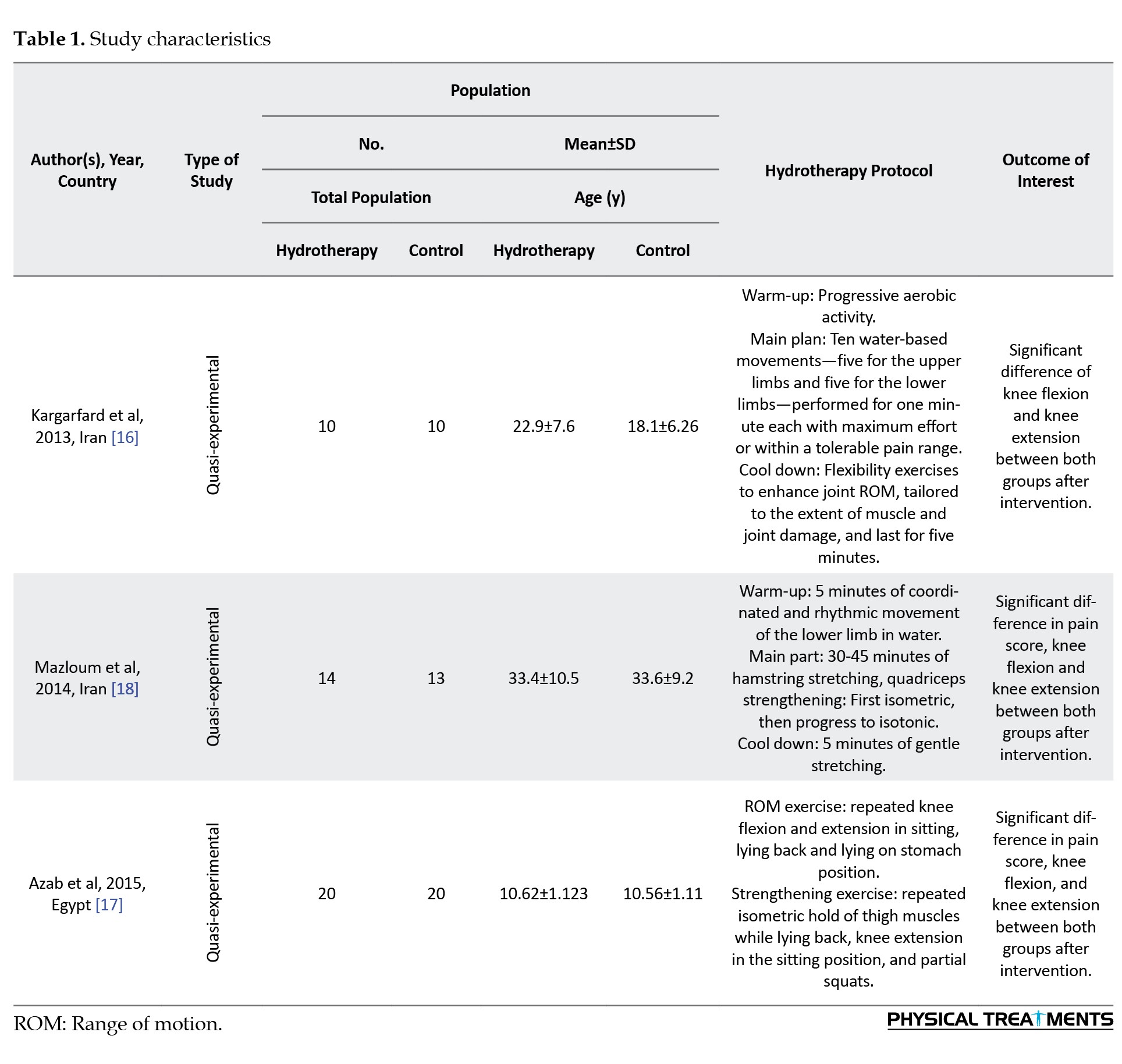
Participants' mean ages ranged from 22.9 to 33.4 years in the hydrotherapy group and from 18.1 to 33.6 years in the control group. Two studies were conducted in Iran [16, 18] and one in Egypt [17]. The hydrotherapy protocols varied across studies.
Final results
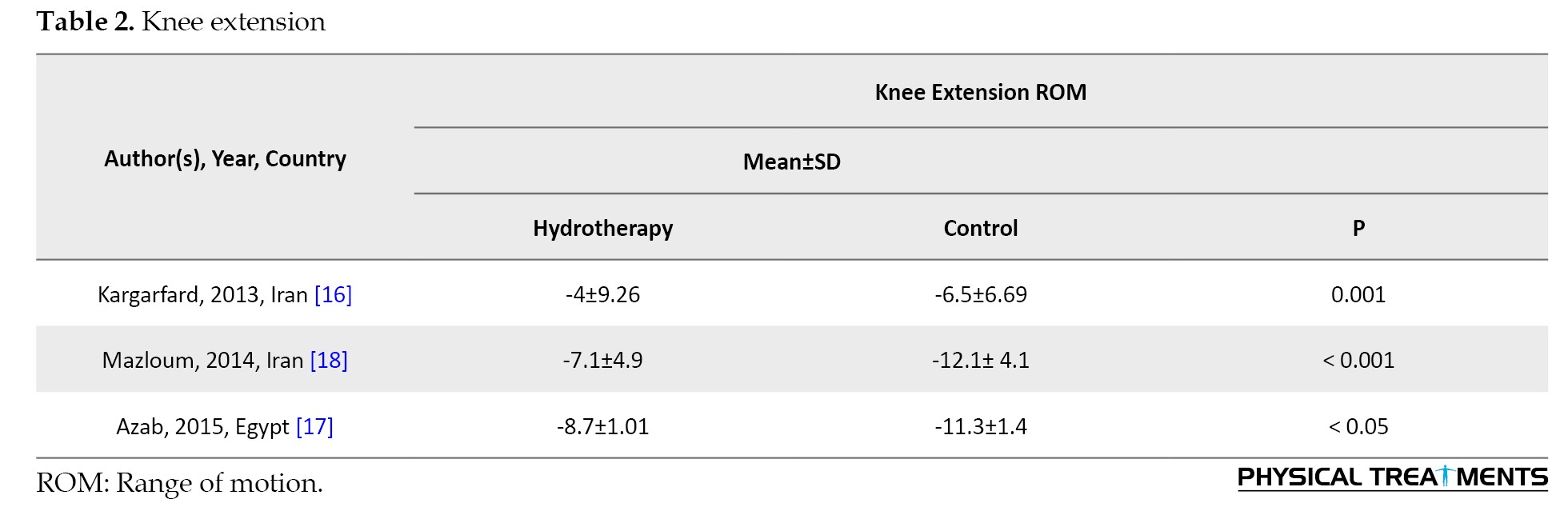
All included studies reported statistically significant differences in knee extension outcomes between participants receiving hydrotherapy and those in control groups [16–18] (Table 2).
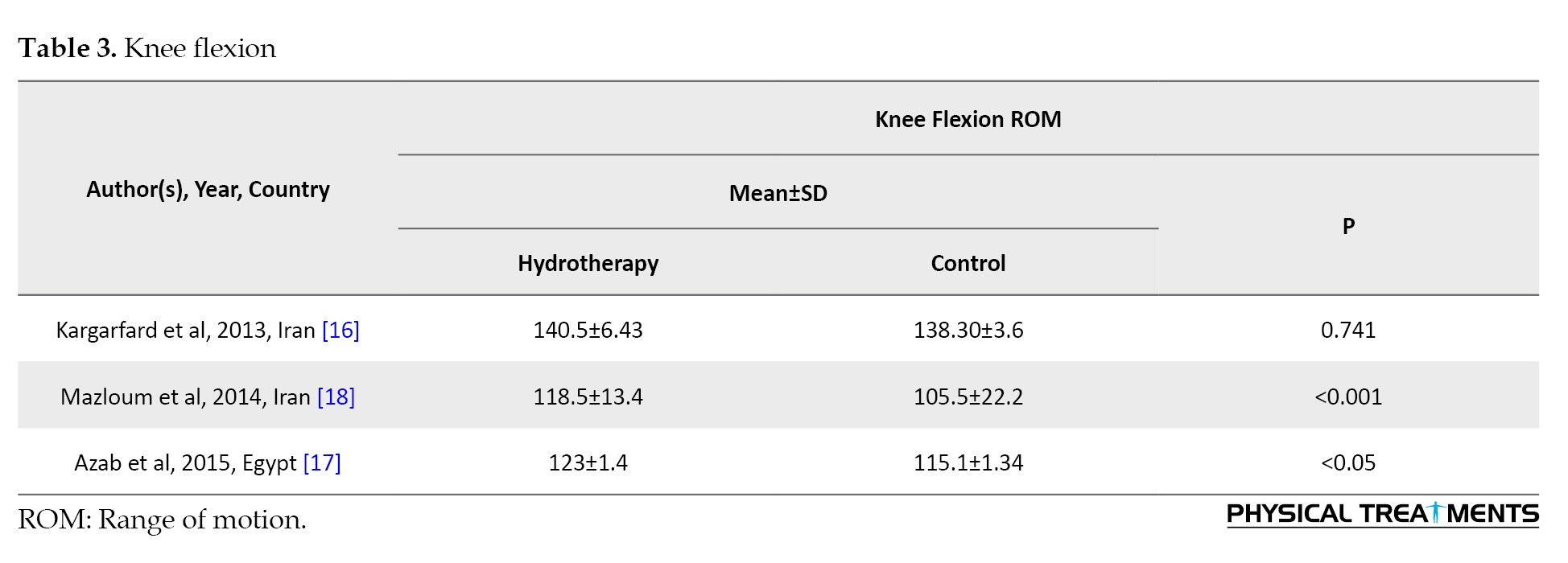
However, only two studies showed significant differences in knee flexion [17, 18] (Table 3).
Both studies assessing pain showed significant differences between the groups [17, 18] (Table 4).
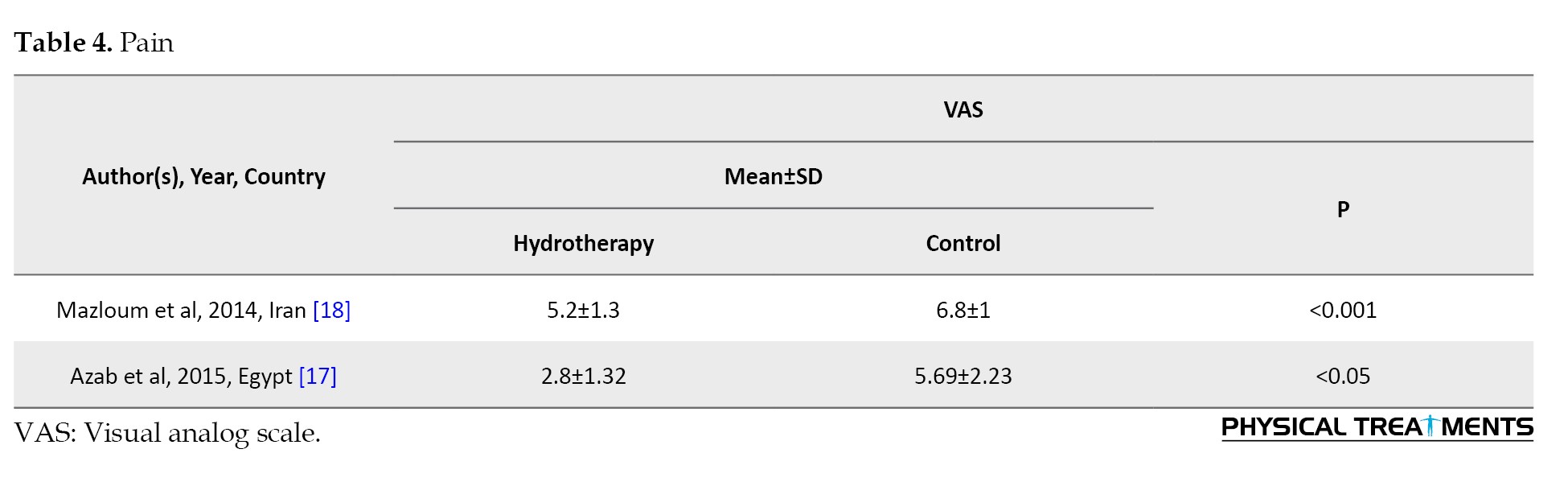
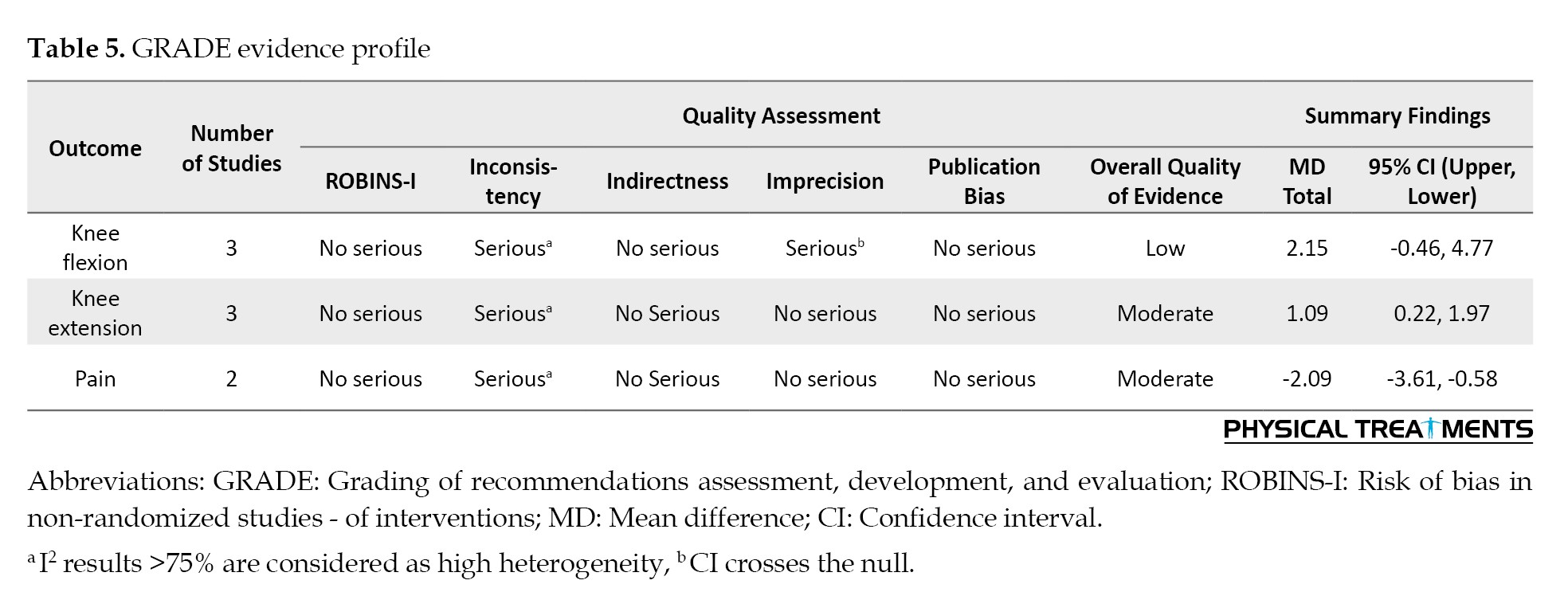
Table 5 presents the GRADE assessment.
Meta-analysis results
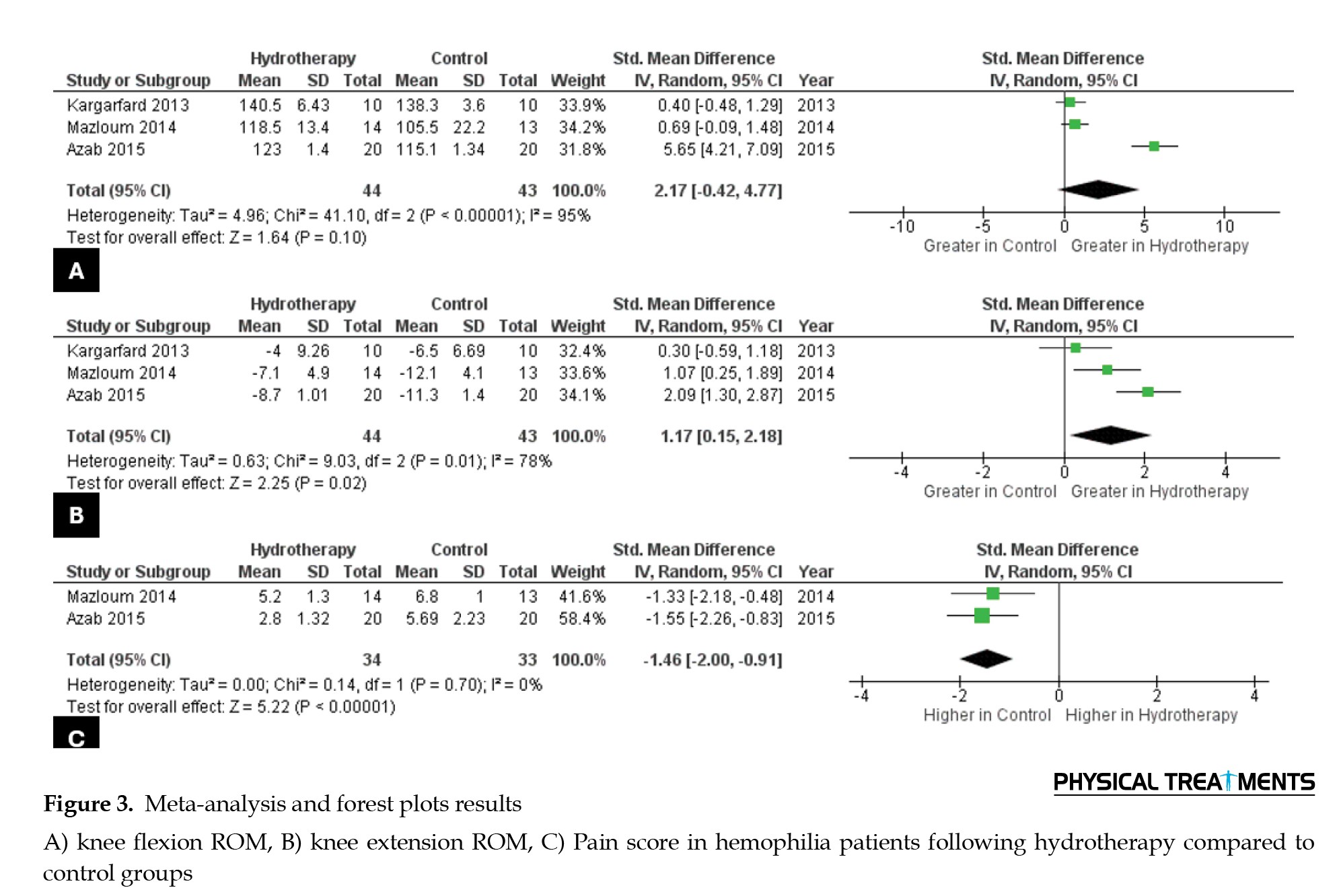
The pooled results for each outcome are displayed in Figure 3 (A–C) and are reported as SMD with 95% CIs.
Characteristics of the included studies
Across the three quasi-experimental trials, a total of 44 participants were allocated to hydrotherapy interventions, while 43 were assigned to control groups. Details of the included studies, including sample size, age, hydrotherapy protocol, and measured outcomes, were compiled and are displayed in Table 1.
Participants' mean ages ranged from 22.9 to 33.4 years in the hydrotherapy group and from 18.1 to 33.6 years in the control group. Two studies were conducted in Iran [16, 18] and one in Egypt [17]. The hydrotherapy protocols varied across studies.
Final results
All included studies reported statistically significant differences in knee extension outcomes between participants receiving hydrotherapy and those in control groups [16–18] (Table 2).
However, only two studies showed significant differences in knee flexion [17, 18] (Table 3).
Both studies assessing pain showed significant differences between the groups [17, 18] (Table 4).
Table 5 presents the GRADE assessment.
Meta-analysis results
The pooled results for each outcome are displayed in Figure 3 (A–C) and are reported as SMD with 95% CIs.
In panel A, the SMD indicates that hydrotherapy produced a non-significant overall effect on knee flexion compared to the control group. (SMD=2.17, 95% CI, -0.42%, 4.77%, P=0.10). The most significant improvement is observed in Azab et al. [17] with an SMD of 5.65 (95% CI, 4.21%, 7.09%), while Kargarfard et al. [16] show the least improvement (SMD=0.4, 95% CI, -0.48%, 1.29%). The high heterogeneity (I²=95%) suggests variation in the effects across studies. Panel B demonstrates a statistically significant improvement in knee extension with hydrotherapy compared to controls (SMD=1.17, 95% CI, 0.15, 2.18%, P=0.02). Among the studies, Azab et al. [17] present the most substantial effect (SMD=2.09, 95% CI, 1.3%, 2.87%), while Kargarfard et al. [16] show a smaller effect (SMD=0.3, 95% CI, -0.59%, 1.18%). High heterogeneity is noted (I²=78%). Panel C illustrates the SMD for pain outcomes, showing a significant reduction favoring hydrotherapy over the control group, as VAS scores were higher in the control group (SMD=-1.46, 95% CI, -2%, -0.91%, P≤0.0001). The greatest reduction is observed in Azab et al. [17] with an SMD of -1.55 (95% CI, -2.26%, -0.83%), followed by Mazloum et al. [18] with an SMD of -1.33 (95% CI, -2.18%, -0.48%). Low heterogeneity is observed (I²=0%). Considerable heterogeneity was observed across outcomes; this variability may be associated with differences in participant age ranges, baseline joint status, and variation in hydrotherapy protocols (e.g. duration, frequency, and therapeutic focus). These factors likely contributed to the diverse effect sizes observed across studies. Because fewer than 10 studies were available for each outcome, funnel plots were not generated. This limitation reduces the ability to visually assess publication bias.
Discussion
Hemophilia is an X-linked condition characterized by partial or total deficiency of clotting factors VIII and IX, leading to recurrent joint bleeding and progressive hemophilic arthropathy, marked by chronic inflammation, cartilage destruction, and joint deformities, resulting in significant physical impairment. The resulting limitations in mobility and daily activities negatively impact the overall functionality and quality of life [19, 20]. Common complications include muscle atrophy, restricted joint mobility, reduced functional capacity, and sarcopenia [21].
Hydrotherapy is a controlled, low-impact environment in which buoyancy reduces joint load and hydrostatic pressure supports circulation, pain reduction, and muscle relaxation. These properties allow patients with hemophilia to exercise with lower risk of trauma-induced bleeding while still engaging in strengthening, mobility, and functional training [22, 23]. The knee is one of the most frequently affected joints since it is subjected to substantial mechanical stress and weight-bearing forces, as well as being highly vascularized [24–26].
In this meta-analysis, hydrotherapy demonstrated a beneficial effect on knee outcomes. Although the improvement in knee flexion ROM (SMD 2.17; P=0.10) did not reach statistical significance, the pooled estimate showed a trend toward ROM improvement. In clinical practice, this magnitude typically corresponds to an improvement large enough to translate into better ability to bend the knee during daily activities such as squatting, stair descent, and floor-to-standing transitions. The lack of statistical significance is likely influenced by small sample sizes and between-study variability, rather than the absence of a real therapeutic effect [27]. Importantly, a targeted update of the literature search did not identify any recently published randomized trials reporting knee flexion outcomes that would materially alter the pooled estimate. Knee extension showed a statistically significant improvement (SMD 1.17; P=0.02), suggesting a clinically relevant benefit of hydrotherapy. Improvements in terminal knee extension have substantial functional impact—reducing quadriceps fatigue, improving gait symmetry, and alleviating joint loading during stance phase. For patients with hemophilic arthropathy, where flexion contractures are common and strongly associated with pain and long-term disability, restoring knee extension directly supports better mobility and reduces the risk of progressive joint degeneration [25]. Nevertheless, the moderate heterogeneity observed suggests that the magnitude of benefit may vary across patient populations and intervention protocols. Therefore, while the direction of effect supports a beneficial role of hydrotherapy, the clinical impact should be interpreted with appropriate caution.
For pain, hydrotherapy produced a large effect size (SMD –1.46; P<0.0001). A reduction in pain suggests that patients are likely experiencing less discomfort during daily activities such as walking, squatting, or navigating stairs [28]. Decreased pain may also lower reliance on analgesics, reduce fear-avoidant behavior, and improve participation in rehabilitation, ultimately supporting better functional outcomes. In practice, even a moderate improvement in pain can create a positive feedback loop in which patients move more confidently, maintain healthier joint mechanics, and prevent further decline [29]. Although the pooled effect suggests a robust analgesic benefit, heterogeneity indicates that pain reduction may differ depending on factors such as intervention intensity, disease severity, and baseline joint status. Consequently, these findings support the clinical relevance of hydrotherapy for pain management while underscoring the need for individualized application and further standardized trials.
Participant age and hemophilia severity varied across the included studies. Azab et al. [17] focused on children aged 10–13 years, while the other two studies [16, 18] included adults. The direct effect of age on hydrotherapy outcomes for knee ROM and pain was not examined in any study, limiting the ability to assess differential responses between younger and older patients. Severity of hemophilia among the studies also varied, ranging from mild to severe, which may have influenced the outcome. Hydrotherapy protocol differences also contributed to heterogeneity, ranging from purely aquatic exercises [17] to progressive strength training in water [18], and high-intensity aquatic movements adjusted for pain tolerance [16]. Despite these differences, all interventions shared key elements such as warm-up exercises, ROM training, and muscle strengthening movements.
GRADE assessment was rated low for knee flexion ROM due to inconsistency and imprecision, while knee extension ROM and pain outcomes received a moderate quality due to inconsistency. The small number of available trials (≤3 per outcome) also limited subgroup and sensitivity analyses, making it difficult to determine whether factors such as age or chronicity of joint disease modify treatment response.
The meta-analysis revealed high heterogeneity in knee flexion ROM (I²=95%) and pain (I²=83%), with moderate heterogeneity in knee extension ROM (I²=71%). While such variability indicates differences in effect sizes across studies, it does not undermine the reliability of statistically significant results. However, cautious interpretation is required, as these differences may reflect real clinical variation rather than random error. Contributing factors include diverse hydrotherapy protocols, varying in duration, intensity, and focus, such as stretching, proprioceptive, strength, or aerobic training, which likely influenced outcomes. Study populations also differed in hemophilia severity. Some included a full spectrum of cases, while others focused on a single severity level. Since joint damage and baseline mobility vary by severity, this likely impacted responsiveness to therapy. Pre-existing joint limitations may have reduced improvements in more severely affected individuals. Age may have played a minor role, as children’s greater flexibility and activity levels could affect treatment response.
To the best of our knowledge, this study represents the first meta-analysis systematically examining the effects of hydrotherapy on ROM and pain in hemophilia. While a systematic review on this topic was published in 2019, it included only one study assessing ROM, making our meta-analysis the first comprehensive synthesis of multiple studies on this subject [9]. All studies used goniometry to assess ROM, with one study [17] utilizing an electro-goniometer, while the other studies employed a standard universal goniometer [16, 18] . Pain was consistently evaluated using the VAS across all studies. These standardized measurement tools enhance the comparability of findings. Despite its strengths, our meta-analysis has certain limitations. Key aspects of hemophilia-related joint health, such as joint bleeding frequency and long-term joint integrity, were not assessed in the included studies. Additionally, while our study encompassed a broad spectrum of hemophilia severity, we were unable to conduct subgroup analyses based on age or baseline joint function due to limited data. The limited number of studies included also restricted our capacity to determine whether hydrotherapy's effectiveness differs according to the chronicity of joint damage.
Conclusion
Hydrotherapy appears to improve knee ROM and reduce pain in patients with hemophilia, supporting its role as a rehabilitation intervention. While knee extension ROM showed a statistically significant improvement, knee flexion ROM did not reach significance, possibly due to variability in study protocols and participant characteristics. The presence of heterogeneity across studies indicates that the strength of these conclusions should be interpreted with caution. Variability in participant characteristics, disease severity, and differences in hydrotherapy protocols across studies may have contributed to inconsistent effect sizes, which reduces the overall certainty of the pooled estimates. Since the knee is one of the most commonly affected joints in hemophilia due to recurrent hemarthrosis, these findings suggest that hydrotherapy may support joint function and symptom management. Future research should focus on its long-term impact on joint health, standardized hydrotherapy protocols, and more homogeneous patient populations are necessary to ensure reproducibility and clarify the degree of benefit that hydrotherapy can reliably offer.
Future directions
Based on our findings, we propose that hydrotherapy could serve as a primary rehabilitation approach rather than just an adjunct to conventional therapy. However, the lack of a standardized hydrotherapy protocol suggests the need for structured rehabilitation guidelines. A standardized approach would help ensure consistency in treatment and optimize therapeutic outcomes. Further investigations should examine the prolonged benefits of hydrotherapy, particularly concerning joint bleeding rates and protection against joint deterioration.
Ethical Considerations
Compliance with ethical guidelines
This article is a systematic review and meta-analysis with no human or animal sample.
Funding
This research did not receive any grant from funding agencies in the public, commercial, or non-profit sectors.
Authors' contributions
Conceptualization, methodology, investigation, review and editing: Kevin A. Chandra, Astrid P. Amanda, Jenifer Nathania, and Maximillian Aritonang; Writing the Original Draft: Kevin A. Chandra; Resources: Supervision and final approval: All authors.
Conflict of interest
The authors declared no conflict of interest.
Discussion
Hemophilia is an X-linked condition characterized by partial or total deficiency of clotting factors VIII and IX, leading to recurrent joint bleeding and progressive hemophilic arthropathy, marked by chronic inflammation, cartilage destruction, and joint deformities, resulting in significant physical impairment. The resulting limitations in mobility and daily activities negatively impact the overall functionality and quality of life [19, 20]. Common complications include muscle atrophy, restricted joint mobility, reduced functional capacity, and sarcopenia [21].
Hydrotherapy is a controlled, low-impact environment in which buoyancy reduces joint load and hydrostatic pressure supports circulation, pain reduction, and muscle relaxation. These properties allow patients with hemophilia to exercise with lower risk of trauma-induced bleeding while still engaging in strengthening, mobility, and functional training [22, 23]. The knee is one of the most frequently affected joints since it is subjected to substantial mechanical stress and weight-bearing forces, as well as being highly vascularized [24–26].
In this meta-analysis, hydrotherapy demonstrated a beneficial effect on knee outcomes. Although the improvement in knee flexion ROM (SMD 2.17; P=0.10) did not reach statistical significance, the pooled estimate showed a trend toward ROM improvement. In clinical practice, this magnitude typically corresponds to an improvement large enough to translate into better ability to bend the knee during daily activities such as squatting, stair descent, and floor-to-standing transitions. The lack of statistical significance is likely influenced by small sample sizes and between-study variability, rather than the absence of a real therapeutic effect [27]. Importantly, a targeted update of the literature search did not identify any recently published randomized trials reporting knee flexion outcomes that would materially alter the pooled estimate. Knee extension showed a statistically significant improvement (SMD 1.17; P=0.02), suggesting a clinically relevant benefit of hydrotherapy. Improvements in terminal knee extension have substantial functional impact—reducing quadriceps fatigue, improving gait symmetry, and alleviating joint loading during stance phase. For patients with hemophilic arthropathy, where flexion contractures are common and strongly associated with pain and long-term disability, restoring knee extension directly supports better mobility and reduces the risk of progressive joint degeneration [25]. Nevertheless, the moderate heterogeneity observed suggests that the magnitude of benefit may vary across patient populations and intervention protocols. Therefore, while the direction of effect supports a beneficial role of hydrotherapy, the clinical impact should be interpreted with appropriate caution.
For pain, hydrotherapy produced a large effect size (SMD –1.46; P<0.0001). A reduction in pain suggests that patients are likely experiencing less discomfort during daily activities such as walking, squatting, or navigating stairs [28]. Decreased pain may also lower reliance on analgesics, reduce fear-avoidant behavior, and improve participation in rehabilitation, ultimately supporting better functional outcomes. In practice, even a moderate improvement in pain can create a positive feedback loop in which patients move more confidently, maintain healthier joint mechanics, and prevent further decline [29]. Although the pooled effect suggests a robust analgesic benefit, heterogeneity indicates that pain reduction may differ depending on factors such as intervention intensity, disease severity, and baseline joint status. Consequently, these findings support the clinical relevance of hydrotherapy for pain management while underscoring the need for individualized application and further standardized trials.
Participant age and hemophilia severity varied across the included studies. Azab et al. [17] focused on children aged 10–13 years, while the other two studies [16, 18] included adults. The direct effect of age on hydrotherapy outcomes for knee ROM and pain was not examined in any study, limiting the ability to assess differential responses between younger and older patients. Severity of hemophilia among the studies also varied, ranging from mild to severe, which may have influenced the outcome. Hydrotherapy protocol differences also contributed to heterogeneity, ranging from purely aquatic exercises [17] to progressive strength training in water [18], and high-intensity aquatic movements adjusted for pain tolerance [16]. Despite these differences, all interventions shared key elements such as warm-up exercises, ROM training, and muscle strengthening movements.
GRADE assessment was rated low for knee flexion ROM due to inconsistency and imprecision, while knee extension ROM and pain outcomes received a moderate quality due to inconsistency. The small number of available trials (≤3 per outcome) also limited subgroup and sensitivity analyses, making it difficult to determine whether factors such as age or chronicity of joint disease modify treatment response.
The meta-analysis revealed high heterogeneity in knee flexion ROM (I²=95%) and pain (I²=83%), with moderate heterogeneity in knee extension ROM (I²=71%). While such variability indicates differences in effect sizes across studies, it does not undermine the reliability of statistically significant results. However, cautious interpretation is required, as these differences may reflect real clinical variation rather than random error. Contributing factors include diverse hydrotherapy protocols, varying in duration, intensity, and focus, such as stretching, proprioceptive, strength, or aerobic training, which likely influenced outcomes. Study populations also differed in hemophilia severity. Some included a full spectrum of cases, while others focused on a single severity level. Since joint damage and baseline mobility vary by severity, this likely impacted responsiveness to therapy. Pre-existing joint limitations may have reduced improvements in more severely affected individuals. Age may have played a minor role, as children’s greater flexibility and activity levels could affect treatment response.
To the best of our knowledge, this study represents the first meta-analysis systematically examining the effects of hydrotherapy on ROM and pain in hemophilia. While a systematic review on this topic was published in 2019, it included only one study assessing ROM, making our meta-analysis the first comprehensive synthesis of multiple studies on this subject [9]. All studies used goniometry to assess ROM, with one study [17] utilizing an electro-goniometer, while the other studies employed a standard universal goniometer [16, 18] . Pain was consistently evaluated using the VAS across all studies. These standardized measurement tools enhance the comparability of findings. Despite its strengths, our meta-analysis has certain limitations. Key aspects of hemophilia-related joint health, such as joint bleeding frequency and long-term joint integrity, were not assessed in the included studies. Additionally, while our study encompassed a broad spectrum of hemophilia severity, we were unable to conduct subgroup analyses based on age or baseline joint function due to limited data. The limited number of studies included also restricted our capacity to determine whether hydrotherapy's effectiveness differs according to the chronicity of joint damage.
Conclusion
Hydrotherapy appears to improve knee ROM and reduce pain in patients with hemophilia, supporting its role as a rehabilitation intervention. While knee extension ROM showed a statistically significant improvement, knee flexion ROM did not reach significance, possibly due to variability in study protocols and participant characteristics. The presence of heterogeneity across studies indicates that the strength of these conclusions should be interpreted with caution. Variability in participant characteristics, disease severity, and differences in hydrotherapy protocols across studies may have contributed to inconsistent effect sizes, which reduces the overall certainty of the pooled estimates. Since the knee is one of the most commonly affected joints in hemophilia due to recurrent hemarthrosis, these findings suggest that hydrotherapy may support joint function and symptom management. Future research should focus on its long-term impact on joint health, standardized hydrotherapy protocols, and more homogeneous patient populations are necessary to ensure reproducibility and clarify the degree of benefit that hydrotherapy can reliably offer.
Future directions
Based on our findings, we propose that hydrotherapy could serve as a primary rehabilitation approach rather than just an adjunct to conventional therapy. However, the lack of a standardized hydrotherapy protocol suggests the need for structured rehabilitation guidelines. A standardized approach would help ensure consistency in treatment and optimize therapeutic outcomes. Further investigations should examine the prolonged benefits of hydrotherapy, particularly concerning joint bleeding rates and protection against joint deterioration.
Ethical Considerations
Compliance with ethical guidelines
This article is a systematic review and meta-analysis with no human or animal sample.
Funding
This research did not receive any grant from funding agencies in the public, commercial, or non-profit sectors.
Authors' contributions
Conceptualization, methodology, investigation, review and editing: Kevin A. Chandra, Astrid P. Amanda, Jenifer Nathania, and Maximillian Aritonang; Writing the Original Draft: Kevin A. Chandra; Resources: Supervision and final approval: All authors.
Conflict of interest
The authors declared no conflict of interest.
References
- Schep SJ, Boes M, Schutgens REG, van Vulpen LFD. An update on the 'danger theory' in inhibitor development in hemophilia A. Expert Review of Hematology. 2019 ;12(5):335-44. [DOI:10.1080/17474086.2019.1604213] [PMID]
- Soucie JM, Miller CH, Dupervil B, Le B, Buckner TW. Occurrence rates of haemophilia among males in the United States based on surveillance conducted in specialized haemophilia treatment centres. Haemophilia. 2020; 26(3):487-93. [DOI:10.1111/hae.13998] [PMID] [PMCID]
- World Federation of Hemophilia. World Federation of Hemophilia Report on the Annual Global Survey 2024. Montreal: World Federation of Hemophilia; 2025. [Link]
- Miesbach W, Schwäble J, Müller MM, Seifried E. Treatment options in hemophilia. Deutsches Arzteblatt international. 2019; 116(47):791-8. [DOI:10.3238/arztebl.2019.0791] [PMID]
- Fernandez F, Vazquez-Muñoz M, Canals A, Arce-Álvarez A, Salazar-Ardiles C, Alvarez C, et al. Intrahospital supervised exercise training improves survival rate among hypertensive patients with COVID-19. Journal of Applied Physiology. 2023; 134(3):678-84. [DOI:10.1152/japplphysiol.00544.2022] [PMID] [PMCID]
- Choudhry D, Malika, Atri SK, Kumar P, Dhankher P. Association Between Physical Activity and Fear of Movement in Patients with Hemophilic Arthropathy. Indian Journal of Hematology and Blood Transfusion. 2025; 41(3):640-3. [DOI:10.1007/s12288-024-01856-1] [PMID] [PMCID]
- Reger M, Kutschan S, Freuding M, Schmidt T, Josfeld L, Huebner J. Water therapies (hydrotherapy, balneotherapy or aqua therapy) for patients with cancer: A systematic review. Journal of Cancer Research and Clinical Oncology. 2022; 148(6):1277-97. [DOI:10.1007/s00432-022-03947-w] [PMID] [PMCID]
- Feldberg G, Ricciardi JBS, Zorzi AR, Colella MP, Ozelo MC. Aquatic exercise in patients with haemophilia: Electromyographic and functional results from a prospective cohort study. Haemophilia. 2021; 27(2):e221-9. [DOI:10.1111/hae.14275] [PMID]
- Neelapala YVR, Attal R, Tandale S. Aquatic exercise for persons with haemophilia: A review of literature. Complementary Therapies in Clinical Practice. 2019; 34:195-200. [DOI:10.1016/j.ctcp.2018.12.004] [PMID]
- Vallejo L, Pardo A, Gomis M, Gallach JE, Pérez S, Querol F. Influence of aquatic training on the motor performance of patients with haemophilic arthropathy. Haemophilia. 2010; 16(1):155-61. [DOI:10.1111/j.1365-2516.2009.02098.x] [PMID]
- Strike K, Mulder K, Michael R. Exercise for haemophilia.The Cochrane Database of Systematic Reviews. 2016; 12(12):CD011180. [DOI:10.1002/14651858.CD011180.pub2] [PMID] [PMCID]
- Page MJ, McKenzie JE, Bossuyt PM, Boutron I, Hoffmann TC, Mulrow CD, et al. The PRISMA 2020 statement: an updated guideline for reporting systematic reviews. BMJ. 2021 372:n71. [DOI:10.1136/bmj.n71] [PMID]
- Sterne JA, Hernán MA, Reeves BC, Savović J, Berkman ND, Viswanathan M, et al. ROBINS-I: A tool for assessing risk of bias in non-randomised studies of interventions. BMJ. 2016; 355:i4919. [DOI:10.1136/bmj.i4919] [PMID]
- Sterne JAC, Savović J, Page MJ, Elbers RG, Blencowe NS, Boutron I, et al. RoB 2: a revised tool for assessing risk of bias in randomised trials. BMJ. 2019; 366:l4898. [DOI:10.1136/bmj.l4898] [PMID]
- Brozek JL, Canelo-Aybar C, Akl EA, Bowen JM, Bucher J, Chiu WA, et al. GRADE Guidelines 30: The GRADE approach to assessing the certainty of modeled evidence-An overview in the context of health decision-making. Journal of Clinical Epidemiology. 2021; 129:138-50. [DOI:10.1016/j.jclinepi.2020.09.018] [PMID] [PMCID]
- Kargarfard M, Dehghadani M, Ghias R. The effect of aquatic exercise therapy on muscle strength and joint's range of motion in hemophilia patients. International Journal of Preventive Medicine. 2013; 4(1):50-6. [PMID]
- Azab A. The Effect of Aquatic Exercise Therapy on knee joint hemarthrosis in hemophilic children. International Journal of Advanced Research. 2015; 3(2):688-97. [Link]
- Mazloum V, Rahnama N, Khayambashi K. Effects of therapeutic exercise and hydrotherapy on pain severity and knee range of motion in patients with hemophilia: A randomized controlled trial. International Journal of Preventive Medicine. 2014; 5(1):83-8. [PMID]
- Cuesta-Barriuso R, Donoso-Úbeda E, Meroño-Gallut J, Ucero-Lozano R, Pérez-Llanes R. Hemophilic arthropathy: barriers to early diagnosis and management. Journal of Blood Medicine. 2022; 13:589-601. [DOI:10.2147/JBM.S343924] [PMID] [PMCID]
- Gualtierotti R, Solimeno LP, Peyvandi F. Hemophilic arthropathy: Current knowledge and future perspectives. Journal of Thrombosis and Haemostasis. 2021; 19(9):2112-21. [DOI:10.1111/jth.15444] [PMID] [PMCID]
- Uzuner B, Ketenci S, Durmus D, Atay HM. The frequency of sarcopenia in haemophilia patients: Effects on musculoskeletal health and functional performance. Haemophilia. 2024; 30(2):505-12. [DOI:10.1111/hae.14945] [PMID]
- Torres-Ronda L, Del Alcázar XS. The Properties of Water and their Applications for Training. Journal of Human Kinetics. 2014; 44:237-48. [DOI:10.2478/hukin-2014-0129] [PMID] [PMCID]
- Carayannopoulos AG, Han A, Burdenko IN. The benefits of combining water and land-based therapy. Journal of Exercise Rehabilitation. 2020; 16(1):20-26. [DOI:10.12965/jer.1938742.371] [PMID] [PMCID]
- Chiari JB, Prozora S, Feinn R, Louizos E, Gallagher PG, Bona R. Joint bleeds in mild hemophilia: Prevalence and clinical characteristics. Haemophilia. 2024; 30(2):331-5. [DOI:10.1111/hae.14939] [PMID]
- Zhang L, Liu G, Han B, Wang Z, Yan Y, Ma J, et al. Knee joint biomechanics in physiological conditions and how pathologies can affect it: A systematic review. Applied Bionics and Biomechanics. 2020; 2020:7451683. [DOI:10.1155/2020/7451683] [PMID] [PMCID]
- Firestein GS, McInnes IB, Koretzky G, Mikuls T, Neogi T, O'Dell JR. Firestein & Kelley's textbook of rheumatology-E-book. Edinburgh: Elsevier Health Sciences; 2024. [Link]
- Stephensen D, Taylor S, Bladen M, Drechsler WI. Relationship between physical function and biomechanical gait patterns in boys with haemophilia. Haemophilia. 2016; 22(6):e512-8. [DOI:10.1111/hae.13118] [PMID]
- Reynard F, Vuistiner P, Le Carré J, Léger B, Luthi F. Physical activity based on daily steps in patients with chronic musculoskeletal pain: Evolution and associated factors. BMC Musculoskeletal Disorders. 2024; 25(1):643. [DOI:10.1186/s12891-024-07766-7] [PMID] [PMCID]
- Scaturro D, Benedetti MG, Lomonaco G, Tomasello S, Farella MGG, Passantino G, et al. Effectiveness of rehabilitation on pain and function in people affected by hemophilia. Medicine. 2021; 100(50):e27863. [DOI:10.1097/MD.0000000000027863] [PMID] [PMCID]
Type of Study: Systematic Review |
Subject:
Physical Therapy
Received: 2025/09/13 | Accepted: 2026/01/6 | Published: 2026/06/23
Received: 2025/09/13 | Accepted: 2026/01/6 | Published: 2026/06/23
Send email to the article author
| Rights and permissions | |
 |
This work is licensed under a Creative Commons Attribution-NonCommercial 4.0 International License. |

This is an open access article distributed under the terms of the Creative Commons Attribution-NonCommercial 4.0 (CC-By-NC 4.0), which permits use, distribution, and reproduction in any medium, provided the original work is properly cited and is not used for commercial purposes.
Contact Information