Tue, Oct 6, 2026
Volume 16, Issue 3 (Summer 2026)
PTJ 2026, 16(3): 333-344 |
Back to browse issues page



Download citation:
BibTeX | RIS | EndNote | Medlars | ProCite | Reference Manager | RefWorks
Send citation to:


BibTeX | RIS | EndNote | Medlars | ProCite | Reference Manager | RefWorks
Send citation to:
Jawed F, Aziz R, Khan A, Zaidi S, Khan S A. Effect of Manual Therapy Combined With Aerobic Exercise on Psychological Well-being in Patients With Chronic Low Back Pain. PTJ 2026; 16 (3) :333-344
URL: http://ptj.uswr.ac.ir/article-1-781-en.html
URL: http://ptj.uswr.ac.ir/article-1-781-en.html
1- Department of Physiotherapy, School of Allied Health Sciences and Research, Jamia Hamdard Deemed University, New Delhi, India.
Keywords: Multimodal therapy, Rehabilitation, Manual therapy, Chronic low back pain (CLBP), Aerobic exercise, Mental health, Anxiety, Depression
Full-Text [PDF 825 kb]
(1107 Downloads)
| Abstract (HTML) (2408 Views)
Results
Participant characteristics
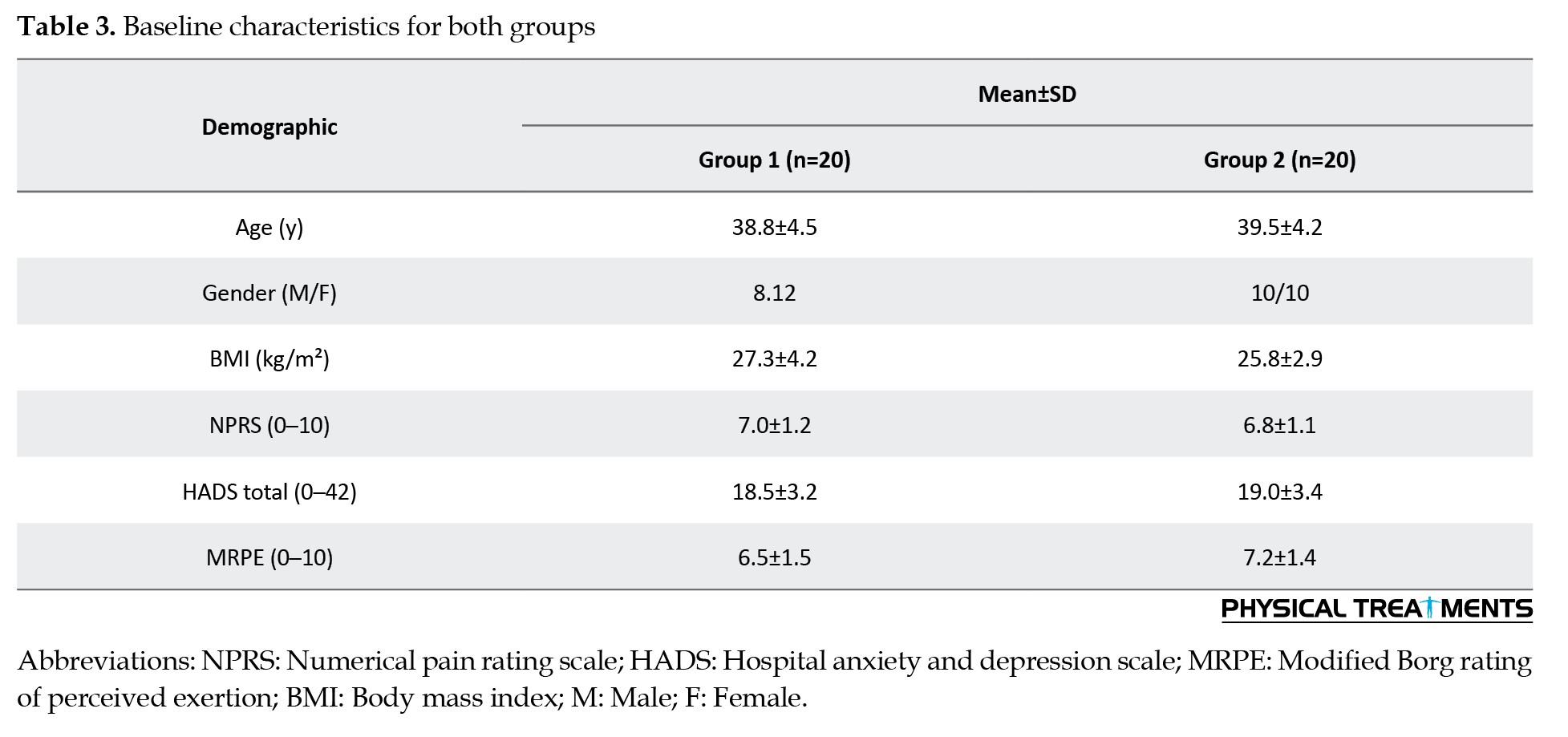
The baseline characteristics of all anthropometric measures were consistent across the groups. No statistically significant baseline differences were observed between groups (all P>0.05). The average age of participants was similar in both groups, with group 1 at approximately 39 years and group 2 at approximately 39 years. The gender distribution was balanced, with group 1 comprising 8 males and 12 females and group 2 comprising 10 males and 10 females. Body mass index (BMI) was also comparable between groups, with group 1 averaging just over 27 kg/m² and group 2 averaging just under 26 kg/m². Table 3 presents the characteristics of the participants in the initial assessment (Table 3).
Outcome measures
At baseline, no significant differences were observed between groups for NPRS, HADS, or MRPE (all P>0.05). After the 4-week intervention, the IG showed significantly greater improvements across all outcomes (Table 4).
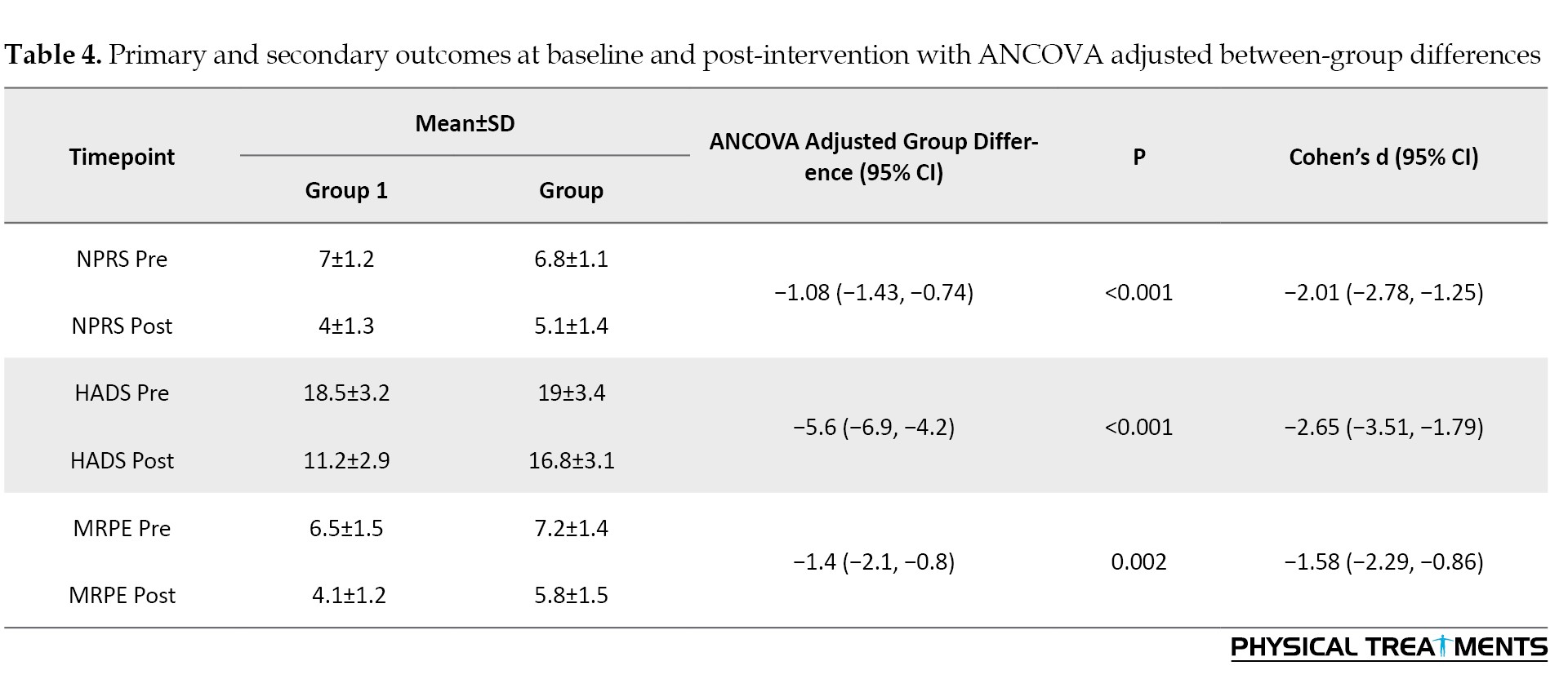
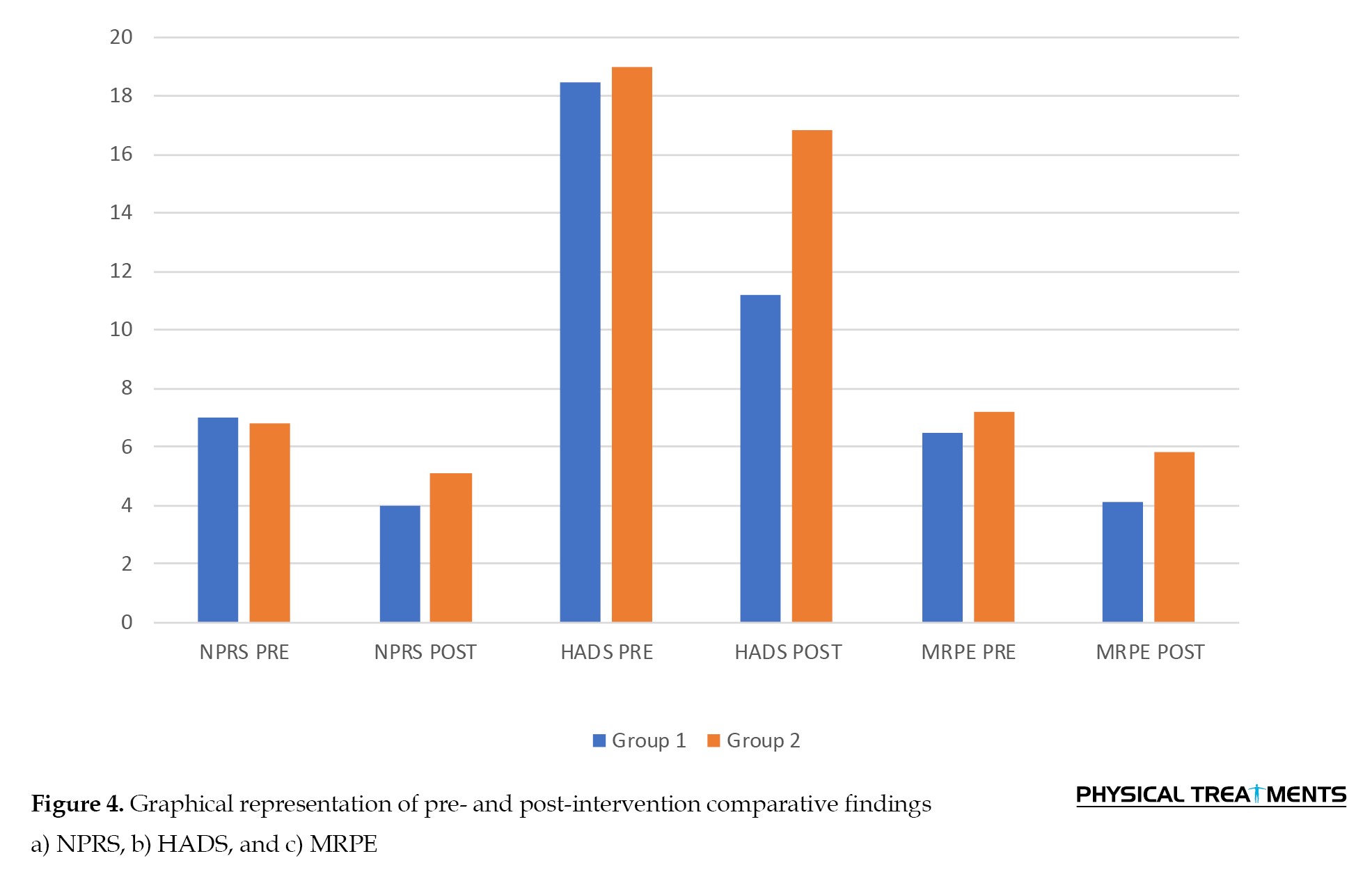
Table 4 presents a between-group analysis between the intervention and the CG. Figure 4 shows a graphical representation of pre- and post-intervention comparative findings (Table 4 and Figure 4).
Full-Text: (105 Views)
Introduction
Chronic low back pain (CLBP) is a pervasive musculoskeletal condition that significantly impairs quality of life and is a leading cause of disability worldwide [1]. CLBP not only impairs mobility and physical functioning but is intricately linked with psychological distress, including anxiety, depression, and fatigue [2]. CLBP is among the most prevalent syndrome, with approximately 85-95% of patients lacking a specific pathoanatomical diagnosis [3].
Low back pain (LBP) impacted 619 million individuals worldwide in 2020, with the number expected to rise to 843 million by 2050, primarily due to population growth and aging [4]. The pooled point, yearly, and lifetime prevalence of LBP in India were 48%, 51%, and 66%, respectively, and the pooled prevalence rates were higher among females, rural populations, and elementary school personnel [5].
Between 1990 and 2019, disability related to LBP rose across all age groups, with the 50-54 age group experiencing the biggest increase. People in their working years (20–65 years) accounted for almost 70% of lifespan lost due to disability [4, 6]. It is believed that less than one-third of patients with CLBP have had significant limitations in employment, social activities, and self-care tasks for six months or more (high-impact LBP) [7, 8]. There are also reciprocal impacts on mental health CLBP is connected with greater depression, and depression is linked to higher disability and poor recovery in those with LBP [4].
While pharmacological and surgical interventions are sometimes employed, conservative management, including exercise and manual therapy, remains the cornerstone of treatment for most patients [9–11]. Exercise therapy, particularly aerobic exercise, has demonstrated benefits in reducing pain intensity and improving both physical and psychological function among individuals with CLBP [12, 13]. Aerobic activities such as walking, cycling, and swimming not only enhance cardiorespiratory endurance but may also contribute to better psychological outcomes by reducing anxiety and depression associated with chronic pain [12].
Manual therapy, including mobilization and manipulation techniques, is frequently used in conjunction with exercise to address musculoskeletal dysfunctions in CLBP [9, 14]. Manual therapy can modulate central sensitization and interrupt maladaptive neural pathways that reinforce chronic pain states [15–17]. This neuromodulation is believed to decrease hyperalgesia and reduce the perception of pain, which is a significant driver of psychological distress in CLBP [16, 18]. Similarly, aerobic exercise programs have shown beneficial effects not only on cardiovascular health but also on mood and fatigue levels through neurochemical modulation [19, 20]. Although physical therapy remains the cornerstone of CLBP management, addressing psychological factors has emerged as crucial for optimal recovery.
Given the multidimensional nature of CLBP, which encompasses both physical and psychological domains, there is a growing interest in multimodal interventions that target both aspects concurrently [21]. Despite the independent benefits of these interventions, limited studies have evaluated their combined impact on physical and psychological domains in CLBP, especially among middle-aged individuals. The combined approach may offer several benefits by addressing both biomechanical and cardiovascular aspects of pain, while also improving psychological well-being through reductions in fear-avoidance behavior and pain catastrophizing. This intervention will not only enhance physical function and relieve pain but may also decrease the risk of symptom recurrence by promoting sustained physical activity and confidence in movement. Ultimately, targeting both physical and psychological domains together provides a more holistic and potentially more effective management strategy for CLBP, particularly among middle-aged individuals. This study aims to assess the effect of manual therapy combined with aerobic exercise on psychological well-being among individuals with CLBP, addressing an important gap in current clinical knowledge and potentially informing more holistic approaches to CLBP management.
Materials and Methods
Study design
A randomized pre-test–post-test study was conducted at a tertiary rehabilitation facility in New Delhi, India, between May and July 2024.
Sample size
The sample size for the trial was determined based on calculations for the selected outcome the hospital anxiety and depression scale (HADS). G*Power was used to determine the number of participants to be included in the intervention and control groups. The initial calculations indicated a required sample of 40 participants. To account for a potential 15% dropout rate, the final target sample size was set at 46 participants (23 per group). This corresponds to an effect size of 0.6, with a significance level (α) of 0.05 and a statistical power of 0.8.
Participants
A total of 46 individuals with non-specific CLBP were recruited according to predefined eligibility criteria. The inclusion criteria included age 32-49 years, diagnosis of non-specific CLBP lasting >3 months, ability to follow instructions, and willingness to participate. The exclusion criteria included history of spinal surgery, severe cardiopulmonary, neurological, or psychiatric disorders, current participation in other rehabilitation programs, history of metabolic disorder, uncontrolled hypertension, pregnancy, history of major trauma in the last six months, history of major surgery in the last year, and cancer.
Randomization and blinding
A sealed opaque envelope approach was used to ensure allocation concealment, and participants were randomly assigned in a 1:1 ratio to either the intervention group (IG) or control group (CG). An independent researcher who was not involved in recruitment or assessment produced the group allocations in sequentially numbered, identical, and sealed envelopes. At enrolment, each participant was assigned the next available envelope to determine group allocation. To minimize bias, participants remained blinded to their group designation throughout the trial, and outcome assessors were blinded to group allocation.
Ethical approval
Prior to commencement, the study was reviewed and approved by the Jamia Hamdard Institutional Ethics Committee (JHIEC). The present study was conducted in accordance with the ethical principles outlined in the Declaration of Helsinki, ensuring the protection of the rights of all research participants.
Interventions
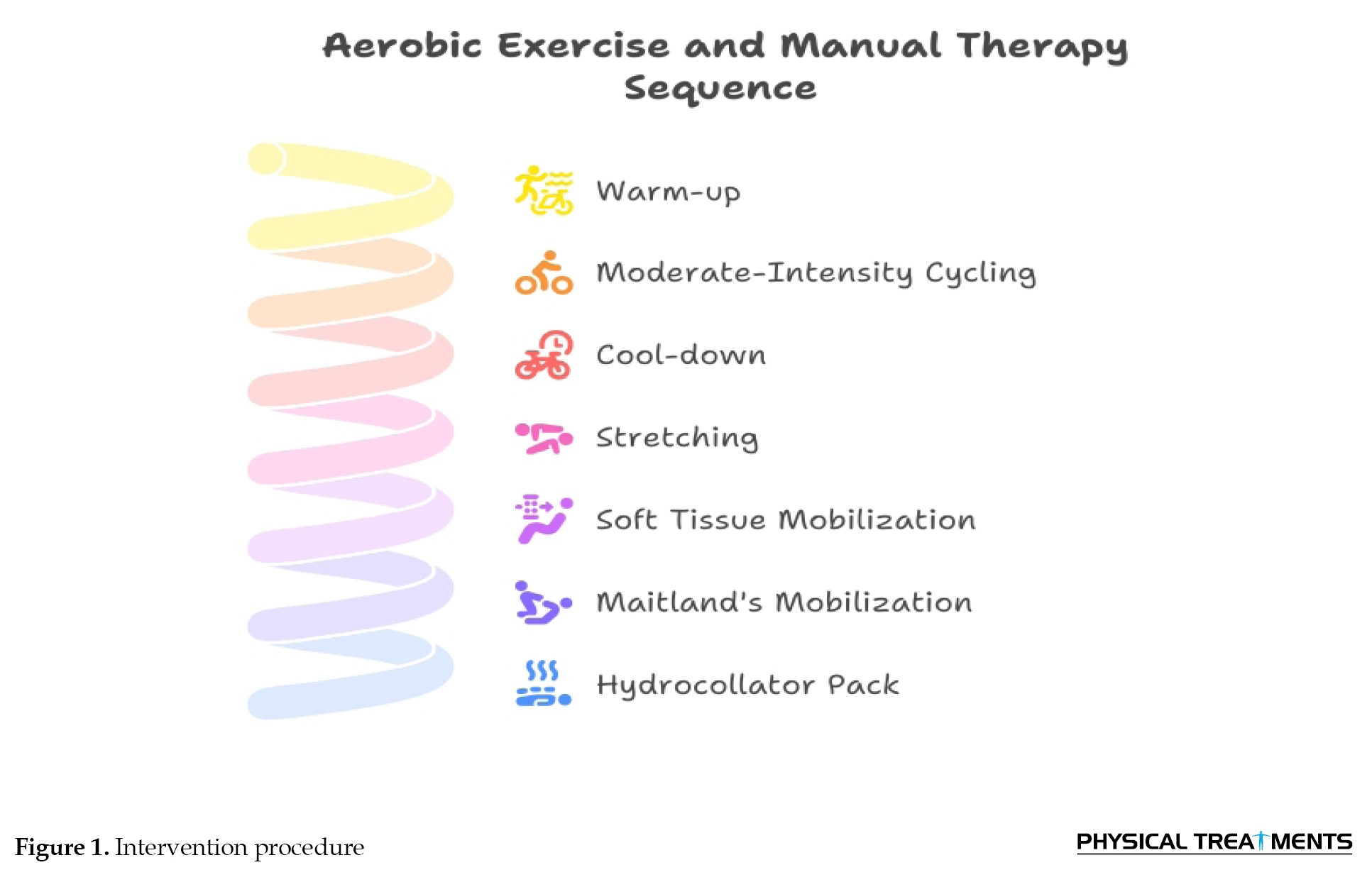
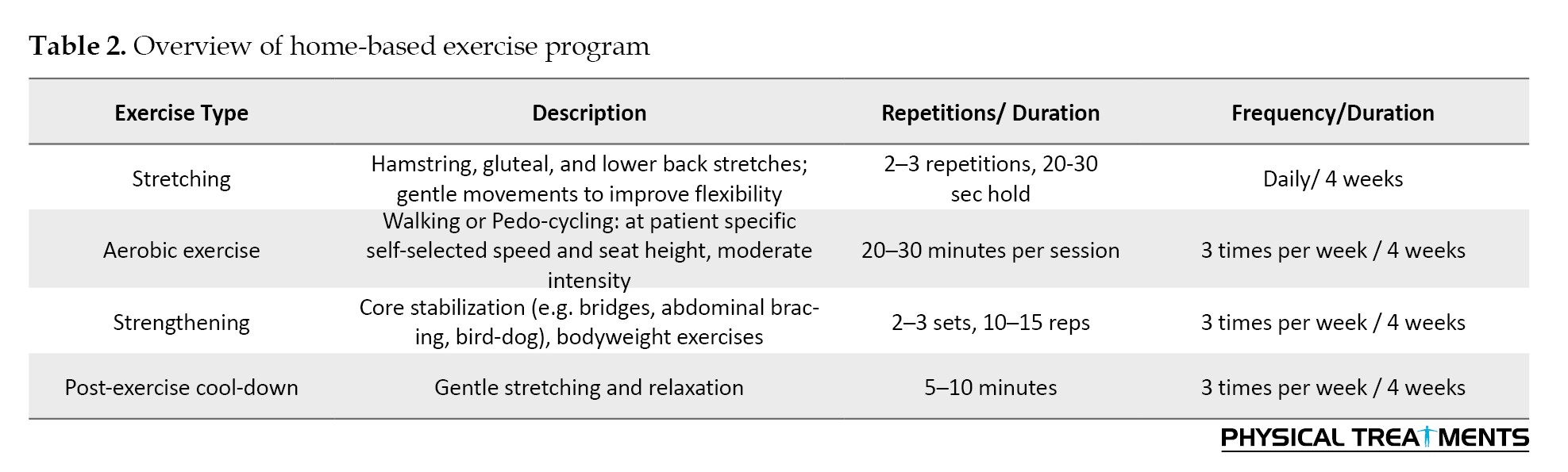
For IG patients, aerobic exercise and manual therapy were administered, while the CG patients were prescribed conventional LBP protocol (home program) consisting of self-exercises for four weeks [22]. Physiotherapists with more than ten years of expertise managed for every patient in the IG and CG. A flyer handout was provided, and an exercise was demonstrated to all the CG patients. The physiotherapist phoned them at the end of every week throughout the intervention period to assess and record any changes in their pain. The treatment was implemented three times a week for four weeks, for a total of 12 sessions (Figure 1).
Chronic low back pain (CLBP) is a pervasive musculoskeletal condition that significantly impairs quality of life and is a leading cause of disability worldwide [1]. CLBP not only impairs mobility and physical functioning but is intricately linked with psychological distress, including anxiety, depression, and fatigue [2]. CLBP is among the most prevalent syndrome, with approximately 85-95% of patients lacking a specific pathoanatomical diagnosis [3].
Low back pain (LBP) impacted 619 million individuals worldwide in 2020, with the number expected to rise to 843 million by 2050, primarily due to population growth and aging [4]. The pooled point, yearly, and lifetime prevalence of LBP in India were 48%, 51%, and 66%, respectively, and the pooled prevalence rates were higher among females, rural populations, and elementary school personnel [5].
Between 1990 and 2019, disability related to LBP rose across all age groups, with the 50-54 age group experiencing the biggest increase. People in their working years (20–65 years) accounted for almost 70% of lifespan lost due to disability [4, 6]. It is believed that less than one-third of patients with CLBP have had significant limitations in employment, social activities, and self-care tasks for six months or more (high-impact LBP) [7, 8]. There are also reciprocal impacts on mental health CLBP is connected with greater depression, and depression is linked to higher disability and poor recovery in those with LBP [4].
While pharmacological and surgical interventions are sometimes employed, conservative management, including exercise and manual therapy, remains the cornerstone of treatment for most patients [9–11]. Exercise therapy, particularly aerobic exercise, has demonstrated benefits in reducing pain intensity and improving both physical and psychological function among individuals with CLBP [12, 13]. Aerobic activities such as walking, cycling, and swimming not only enhance cardiorespiratory endurance but may also contribute to better psychological outcomes by reducing anxiety and depression associated with chronic pain [12].
Manual therapy, including mobilization and manipulation techniques, is frequently used in conjunction with exercise to address musculoskeletal dysfunctions in CLBP [9, 14]. Manual therapy can modulate central sensitization and interrupt maladaptive neural pathways that reinforce chronic pain states [15–17]. This neuromodulation is believed to decrease hyperalgesia and reduce the perception of pain, which is a significant driver of psychological distress in CLBP [16, 18]. Similarly, aerobic exercise programs have shown beneficial effects not only on cardiovascular health but also on mood and fatigue levels through neurochemical modulation [19, 20]. Although physical therapy remains the cornerstone of CLBP management, addressing psychological factors has emerged as crucial for optimal recovery.
Given the multidimensional nature of CLBP, which encompasses both physical and psychological domains, there is a growing interest in multimodal interventions that target both aspects concurrently [21]. Despite the independent benefits of these interventions, limited studies have evaluated their combined impact on physical and psychological domains in CLBP, especially among middle-aged individuals. The combined approach may offer several benefits by addressing both biomechanical and cardiovascular aspects of pain, while also improving psychological well-being through reductions in fear-avoidance behavior and pain catastrophizing. This intervention will not only enhance physical function and relieve pain but may also decrease the risk of symptom recurrence by promoting sustained physical activity and confidence in movement. Ultimately, targeting both physical and psychological domains together provides a more holistic and potentially more effective management strategy for CLBP, particularly among middle-aged individuals. This study aims to assess the effect of manual therapy combined with aerobic exercise on psychological well-being among individuals with CLBP, addressing an important gap in current clinical knowledge and potentially informing more holistic approaches to CLBP management.
Materials and Methods
Study design
A randomized pre-test–post-test study was conducted at a tertiary rehabilitation facility in New Delhi, India, between May and July 2024.
Sample size
The sample size for the trial was determined based on calculations for the selected outcome the hospital anxiety and depression scale (HADS). G*Power was used to determine the number of participants to be included in the intervention and control groups. The initial calculations indicated a required sample of 40 participants. To account for a potential 15% dropout rate, the final target sample size was set at 46 participants (23 per group). This corresponds to an effect size of 0.6, with a significance level (α) of 0.05 and a statistical power of 0.8.
Participants
A total of 46 individuals with non-specific CLBP were recruited according to predefined eligibility criteria. The inclusion criteria included age 32-49 years, diagnosis of non-specific CLBP lasting >3 months, ability to follow instructions, and willingness to participate. The exclusion criteria included history of spinal surgery, severe cardiopulmonary, neurological, or psychiatric disorders, current participation in other rehabilitation programs, history of metabolic disorder, uncontrolled hypertension, pregnancy, history of major trauma in the last six months, history of major surgery in the last year, and cancer.
Randomization and blinding
A sealed opaque envelope approach was used to ensure allocation concealment, and participants were randomly assigned in a 1:1 ratio to either the intervention group (IG) or control group (CG). An independent researcher who was not involved in recruitment or assessment produced the group allocations in sequentially numbered, identical, and sealed envelopes. At enrolment, each participant was assigned the next available envelope to determine group allocation. To minimize bias, participants remained blinded to their group designation throughout the trial, and outcome assessors were blinded to group allocation.
Ethical approval
Prior to commencement, the study was reviewed and approved by the Jamia Hamdard Institutional Ethics Committee (JHIEC). The present study was conducted in accordance with the ethical principles outlined in the Declaration of Helsinki, ensuring the protection of the rights of all research participants.
Interventions
For IG patients, aerobic exercise and manual therapy were administered, while the CG patients were prescribed conventional LBP protocol (home program) consisting of self-exercises for four weeks [22]. Physiotherapists with more than ten years of expertise managed for every patient in the IG and CG. A flyer handout was provided, and an exercise was demonstrated to all the CG patients. The physiotherapist phoned them at the end of every week throughout the intervention period to assess and record any changes in their pain. The treatment was implemented three times a week for four weeks, for a total of 12 sessions (Figure 1).
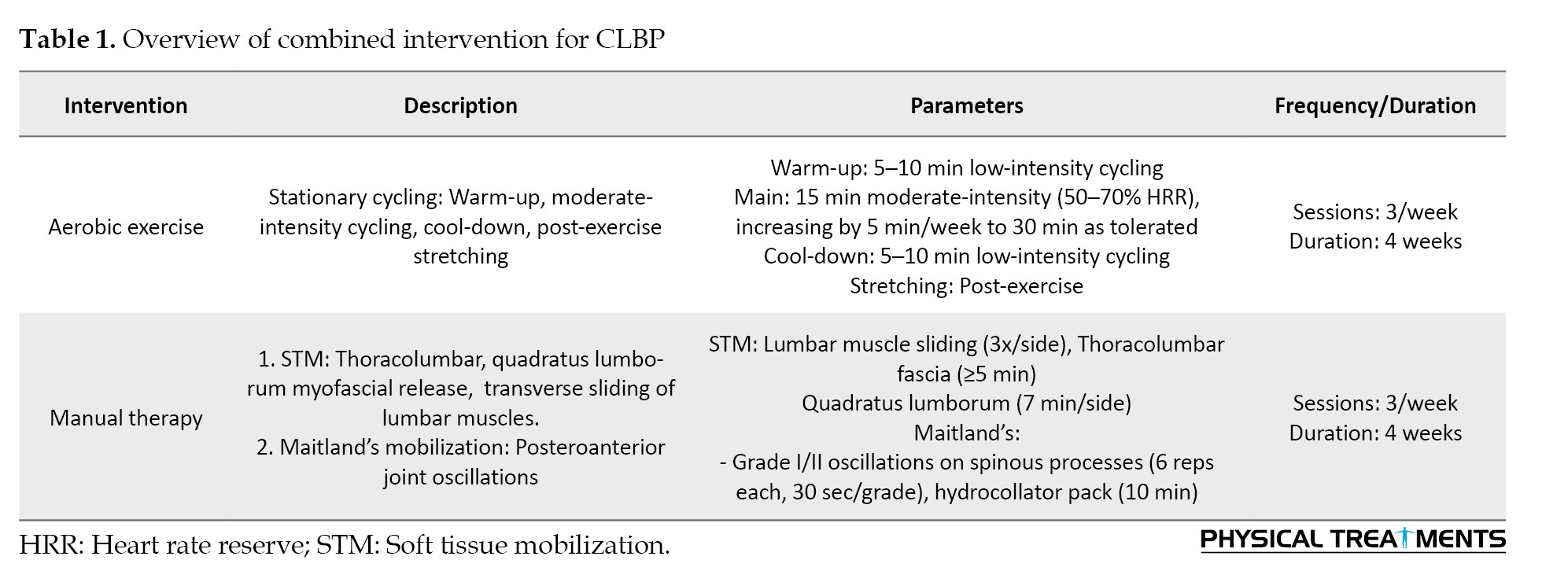
Aerobic exercise: The aerobic training procedure for the IG involved participants beginning each session with a 5-10 minute warm-up of low-intensity cycling to gradually elevate heart rate and prepare the muscles, followed by moderate-intensity stationary cycling (targeting 50-70% heart rate reserve) for 15 minutes initially, with the duration increased by 5 minutes per week up to 30 minutes as tolerated; each session concluded with 5-10 minute cool-down of low-intensity cycling to safely return heart rate to baseline and promote recovery, and post-exercise stretching was recommended to enhance flexibility and reduce muscle soreness [23].
Manual therapy: Soft tissue mobilization (STM)
Three STM techniques were used: quadratus lumborum myofascial release, thoracolumbar myofascial release, and transverse sliding of the lumbar muscles. The therapist used their elbow to slide across the paraspinal muscles three times on each side while the patient lay prone to perform the transverse sliding technique. The therapist placed their hands in the participant’s T12-L1 region and sacrum to facilitate thoracolumbar myofascial release, which was also performed in the prone position. After making contact, the therapist massaged along the fascia for at least five minutes without slipping over the skin or applying intense pressure. The participant remained prone during the quadratus lumborum myofascial release procedure, and the therapist used the opposite hand to hold and stabilize the participant’s leg while placing their elbow on the quadratus lumborum muscle above the iliac crest. The therapist gently moved the hand on the thigh lower and applied pressure with the elbow towards the spine. Each half of this approach was used for seven minutes [24].
Maitland’s mobilization procedure and technique Maitland's mobilization procedure and technique [25]
Patient position: The patient is lying in the prone position, with their arms resting either beside their body or outstretched overhead, and their head cocked slightly to one side. The therapist should stand on the patient’s right side and place the ulnar edge of their hand just above the spinous process, between the pisiform and hamate bones. The therapist placed their shoulder directly over the spinous process and maintained full wrist extension while keeping the forearm neutral, neither supinated nor pronated [26].
Direction: Mobilization was directed in a posteroanterior direction. Joint oscillations in grades I and II lasted 30 seconds each. The three spinous processes around the pathologic region were subjected to grade I joint mobilizations in a sequential manner, followed by grade II joint mobilizations. Mobilization had six glides on each spinous process. After mobilization, patients were given a hydrocollator pack for 10 minutes to alleviate pain caused by increased paraspinal muscle activity from mechanical stress during mobilization. Follow-up: The treatment was administered for four weeks, with three visits per week, each lasting one hour (Tables 1 and 2).
Outcome measures
Pain: Numerical pain rating scale (NPRS)
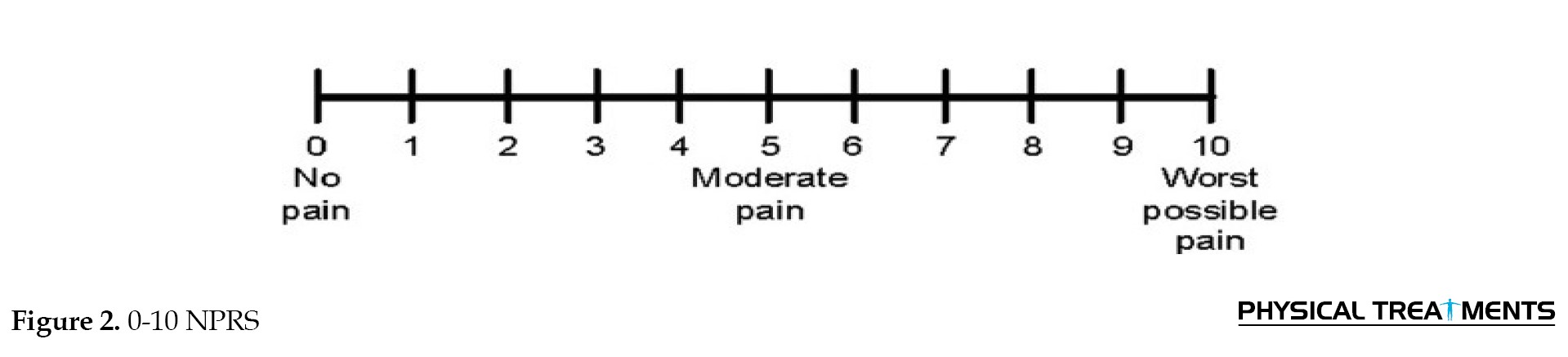
The NPRS is an 11-point rating system with 0 representing no pain and 10 representing severe pain. The triple NPRS, which generates the global average by utilizing the patient’s maximum and minimum pain readings from the current and previous 24 hours, was utilized in this study to assess NPRS (Figure 2).
Manual therapy: Soft tissue mobilization (STM)
Three STM techniques were used: quadratus lumborum myofascial release, thoracolumbar myofascial release, and transverse sliding of the lumbar muscles. The therapist used their elbow to slide across the paraspinal muscles three times on each side while the patient lay prone to perform the transverse sliding technique. The therapist placed their hands in the participant’s T12-L1 region and sacrum to facilitate thoracolumbar myofascial release, which was also performed in the prone position. After making contact, the therapist massaged along the fascia for at least five minutes without slipping over the skin or applying intense pressure. The participant remained prone during the quadratus lumborum myofascial release procedure, and the therapist used the opposite hand to hold and stabilize the participant’s leg while placing their elbow on the quadratus lumborum muscle above the iliac crest. The therapist gently moved the hand on the thigh lower and applied pressure with the elbow towards the spine. Each half of this approach was used for seven minutes [24].
Maitland’s mobilization procedure and technique Maitland's mobilization procedure and technique [25]
Patient position: The patient is lying in the prone position, with their arms resting either beside their body or outstretched overhead, and their head cocked slightly to one side. The therapist should stand on the patient’s right side and place the ulnar edge of their hand just above the spinous process, between the pisiform and hamate bones. The therapist placed their shoulder directly over the spinous process and maintained full wrist extension while keeping the forearm neutral, neither supinated nor pronated [26].
Direction: Mobilization was directed in a posteroanterior direction. Joint oscillations in grades I and II lasted 30 seconds each. The three spinous processes around the pathologic region were subjected to grade I joint mobilizations in a sequential manner, followed by grade II joint mobilizations. Mobilization had six glides on each spinous process. After mobilization, patients were given a hydrocollator pack for 10 minutes to alleviate pain caused by increased paraspinal muscle activity from mechanical stress during mobilization. Follow-up: The treatment was administered for four weeks, with three visits per week, each lasting one hour (Tables 1 and 2).
Outcome measures
Pain: Numerical pain rating scale (NPRS)
The NPRS is an 11-point rating system with 0 representing no pain and 10 representing severe pain. The triple NPRS, which generates the global average by utilizing the patient’s maximum and minimum pain readings from the current and previous 24 hours, was utilized in this study to assess NPRS (Figure 2).
The triple NPRS’s test re-test reliability had an intraclass correlation coefficient (ICC) ranging from 0.61 to 0.77 and a nominal clinically significant difference (minimal clinically important difference [MCID]) of two points [27].
Psychological factor examination
HADS: This self-assessment tool is used to gauge the degree and severity of change as well as to determine a patient’s risk for anxiety and depression. There are 14 questions on the scale, seven of which measure anxiety and the other seven of which measure sadness. From both subscales, patients can receive a maximum score of 21 and a minimum score of 0 [28].
Method of measurement of perceived fatigue
Modified Borg rating of perceived exertion (MRPE): Participants provided subjective feedback on training using the MRPE at baseline and after four weeks as a secondary outcome. Participants were asked to tick the appropriate answer to the given questions, how you exerted during cycling it ranges from 0-10 on the conscious intensity scale [29]. Participants were asked to rate their exercise using an MRPE scale.
Statistical analysis
SPSS software, version 25 was used to analyze the data. The skewness and kurtosis values were analyzed to assess whether the data were normally distributed. Prior to statistical analysis, the Shapiro-Wilk and Kolmogorov-Smirnov tests were used to assess normality. Continuous post-intervention outcomes were compared between groups using independent t-tests and analysis of covariance (ANCOVA) models adjusting for each outcome’s baseline value (pre-specified primary approach for handling baseline variability and any imbalance). Effect sizes, adjusted mean differences, 95% confidence intervals (CI), and P-values are reported to emphasize magnitude and precision. Given the limited number of prespecified outcomes, P values are presented unadjusted; conclusions were consistent in direction and significance after baseline adjustment. Assumptions were checked using model diagnostics; ANCOVA is appropriate in randomized designs and increases statistical power while reducing bias due to baseline differences.
Procedure
Patients with CLBP were referred to the physiotherapy department for screening. Eligible participants provided written informed consent following screening, according to predetermined inclusion and exclusion criteria. Baseline measurements of pain, anxiety, depression, and fatigue were collected and reassessed at the termination of the four-week intervention period. All information was systematically recorded and compiled into a master chart.
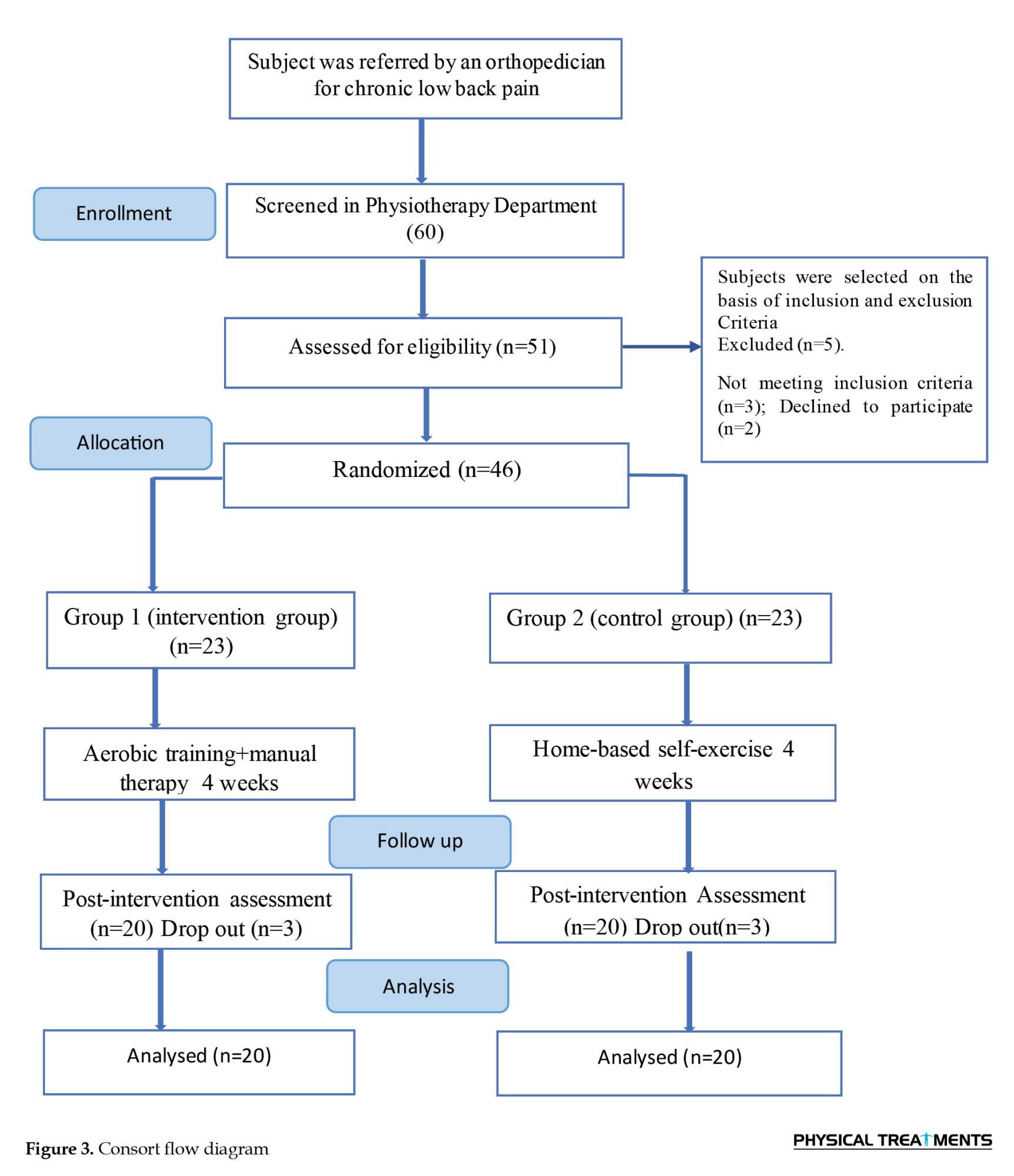
Of the 60 individuals screened, 51 were assessed for eligibility. Three did not meet the inclusion criteria, and two declined to participate. A total of 46 participants were randomized: 23 to the IG (manual therapy aerobic exercise) and 23 to the CG (home-based self-exercise). During follow-up, 3 participants in each group withdrew (for reasons, including relocation, competing work commitments, or family reasons). Thus, 40 participants (20 in each group) completed the study and were analyzed. Six participants did not complete the follow-up assessments owing to relocation, competing work commitments, or personal/family reasons. No adverse events were reported in either group during the intervention or follow-up period (Figure 3).
Psychological factor examination
HADS: This self-assessment tool is used to gauge the degree and severity of change as well as to determine a patient’s risk for anxiety and depression. There are 14 questions on the scale, seven of which measure anxiety and the other seven of which measure sadness. From both subscales, patients can receive a maximum score of 21 and a minimum score of 0 [28].
Method of measurement of perceived fatigue
Modified Borg rating of perceived exertion (MRPE): Participants provided subjective feedback on training using the MRPE at baseline and after four weeks as a secondary outcome. Participants were asked to tick the appropriate answer to the given questions, how you exerted during cycling it ranges from 0-10 on the conscious intensity scale [29]. Participants were asked to rate their exercise using an MRPE scale.
Statistical analysis
SPSS software, version 25 was used to analyze the data. The skewness and kurtosis values were analyzed to assess whether the data were normally distributed. Prior to statistical analysis, the Shapiro-Wilk and Kolmogorov-Smirnov tests were used to assess normality. Continuous post-intervention outcomes were compared between groups using independent t-tests and analysis of covariance (ANCOVA) models adjusting for each outcome’s baseline value (pre-specified primary approach for handling baseline variability and any imbalance). Effect sizes, adjusted mean differences, 95% confidence intervals (CI), and P-values are reported to emphasize magnitude and precision. Given the limited number of prespecified outcomes, P values are presented unadjusted; conclusions were consistent in direction and significance after baseline adjustment. Assumptions were checked using model diagnostics; ANCOVA is appropriate in randomized designs and increases statistical power while reducing bias due to baseline differences.
Procedure
Patients with CLBP were referred to the physiotherapy department for screening. Eligible participants provided written informed consent following screening, according to predetermined inclusion and exclusion criteria. Baseline measurements of pain, anxiety, depression, and fatigue were collected and reassessed at the termination of the four-week intervention period. All information was systematically recorded and compiled into a master chart.
Of the 60 individuals screened, 51 were assessed for eligibility. Three did not meet the inclusion criteria, and two declined to participate. A total of 46 participants were randomized: 23 to the IG (manual therapy aerobic exercise) and 23 to the CG (home-based self-exercise). During follow-up, 3 participants in each group withdrew (for reasons, including relocation, competing work commitments, or family reasons). Thus, 40 participants (20 in each group) completed the study and were analyzed. Six participants did not complete the follow-up assessments owing to relocation, competing work commitments, or personal/family reasons. No adverse events were reported in either group during the intervention or follow-up period (Figure 3).
Results
Participant characteristics
The baseline characteristics of all anthropometric measures were consistent across the groups. No statistically significant baseline differences were observed between groups (all P>0.05). The average age of participants was similar in both groups, with group 1 at approximately 39 years and group 2 at approximately 39 years. The gender distribution was balanced, with group 1 comprising 8 males and 12 females and group 2 comprising 10 males and 10 females. Body mass index (BMI) was also comparable between groups, with group 1 averaging just over 27 kg/m² and group 2 averaging just under 26 kg/m². Table 3 presents the characteristics of the participants in the initial assessment (Table 3).
Outcome measures
At baseline, no significant differences were observed between groups for NPRS, HADS, or MRPE (all P>0.05). After the 4-week intervention, the IG showed significantly greater improvements across all outcomes (Table 4).
Table 4 presents a between-group analysis between the intervention and the CG. Figure 4 shows a graphical representation of pre- and post-intervention comparative findings (Table 4 and Figure 4).
Values are presented as Mean±SD. Between-group differences are adjusted for baseline values using ANCOVA. Effect sizes are reported as Cohen’s d with 95% CIs. P values represent unadjusted significance levels from ANCOVA models adjusting for baseline values. MCID thresholds: NPRS ≥2 points; HADS ≥1.5–2 points. No validated MCID is available for MRPE; changes are interpreted based on magnitude and effect size.
Pain intensity (NPRS): Scores decreased to 4±1.3 from 7±1.2 in the IG and to 5.1±1.4 from 6.8±1.1 in the CG. ANCOVA indicated a significant between-group difference of −1.08 (95% CI, −1.43%, −0.74%; P<0.001; d=−2.01). Both groups exceeded the MCID of two points, with greater improvement in the IG.
Psychological distress (HADS): Scores declined to 11.2±2.9 from 18.5±3.2 in the IG versus 16.8±3.1 from 19.0±3.4 in the control. The between-group difference was −5.6 (95% CI, −6.9%, −4.2%; P<0.001; d=−2.65), exceeding the MCID of 1.5–2 points.
Perceived exertion (MRPE): Scores reduced to 4.1±1.2 from 6.5±1.5 in the IG and to 5.8±1.5 from 7.2±1.4 in the control. The between-group mean difference was −1.4 (95% CI, −2.1%, −0.8%; P=0.002), corresponding to a large effect size (Cohen’s d=−1.58).
Discussion
This study demonstrated that manual therapy combined with aerobic exercise significantly improved physical pain, fatigue, and psychological symptoms among middle-aged individuals with CLBP. The large effect sizes validated these findings. The moderate resolution of pain and substantial mental health improvements suggest a multimodal therapeutic mechanism, potentially addressing both nociceptive pathways and psychosocial contributors to CLBP. These outcomes suggest the intervention should be integrated into clinical protocols for middle-aged individuals with CLBP and comorbid mental health concerns.
Previous studies have typically examined these interventions in isolation, whereas this study’s design intends to harness their potential synergistic benefits. Second, by concentrating on middle-aged individuals who often experience both the mechanical and psychological burdens of CLBP, the study addresses the clinical need for holistic treatments that target both pain and psychological parameters simultaneously. This study’s results indicated that IG experienced significantly greater improvement in pain, as evidenced by a reduced NPRS.
Manual treatment generates mechanical stimulation by applying pressure to the joints. This procedure triggers the gate control mechanism, which prevents thin A-delta and C fibers from transmitting pain signals. Rather, it activates the thick, myelinated A-β fibers that transmit these sensations and are connected to joint mechanoreceptors [30]. By stretching the joint capsule, manual therapy activates proprioceptors in the joint capsule and surrounding muscles, which provide sensory signals to the spinal cord. These signals subsequently stimulate the midbrain’s periaqueductal grey matter. Pain is reduced when the descending noradrenergic and serotonergic pathways are activated [31, 32]. Consistent with previous findings, several studies in the literature have shown that individuals with LBP experience a significant decrease in pain when manual therapy and exercise are used [1]. This pain alleviation facilitates improved exercise participation, thereby allowing aerobic training to further supplement the process of neuromuscular rehabilitation. These findings are well aligned with prior observations supporting the beneficial role of combined physical intervention in CLBP management [1]. Consistent with our findings, several studies in the literature have also documented that both manual therapy and exercise lead to a significant decrease in pain among individuals with LBP.
This study is the first to explore the use of manual therapy in conjunction with aerobic exercise for treating psychological symptoms. The findings of our study indicate reduced HAD scores among participants receiving the combined treatment. A randomized trial found that individuals who had ten sessions of manual therapy had significantly lower levels of depression and kinesiophobia, which is in line with the findings of our study [33]. Another study showed that manual therapy can lead to significant enhancements in mental health outcomes, including reduced anxiety and depression levels [1, 34]. Jayakody et al. emphasized that moderate-intensity aerobic exercise is effective in reducing anxiety and depressive symptoms, findings that mirror the trends seen in our IG [35]. Regular aerobic exercise has been linked to significant reductions in anxiety and depression. It serves as a non-pharmaceutical intervention that can improve mood and overall mental health [36].
Perceived fatigue, assessed using the modified Borg scale, showed significant improvement in the IG relative to the CG. Aerobic exercise has been shown to diminish fatigue by enhancing oxygen delivery and utilization at the muscular level, and, when combined with manual therapy, it further reduces fatigue. Another study states that multimodal intervention is beneficial for energy levels and endurance in patients with chronic conditions [37]. Furthermore, aerobic exercise is known to modulate inflammatory cytokines and increase endorphin release, thereby improving fatigue and mood symptoms [38].
The study found that self-directed exercise did not yield the same improvement as integrated interventions, highlighting the need for supervised, multi-model interventions to ensure adherence, motivation, and technique. The absence of consistent manual therapy and structured aerobic training in self-directed exercise protocols may lead to suboptimal exercise intensity and lower engagement, potentially resulting in inadequate physical outcomes and mental health improvement [1].
CLBP patients often experience psychological distress, anxiety, and depression, which can exacerbate pain perception and hinder recovery. This study suggests investigating manual therapy as an adjuvant therapy option to reduce depressive symptoms in patients with CLBP. Manual therapy and aerobic exercise are safe and effective interventions that can be incorporated into regular physical therapy practice. Traditional physiotherapy often fails to address mental health outcomes; therefore, examining these conditions in a combined intervention environment could guide future integrated multimodal rehabilitation procedures.
Limitations
This study has some limitations that should be considered when interpreting the findings. First, the small sample size and short intervention duration may limit the generalizability and sustainability of the observed effects. Second, the absence of long-term follow-up eliminates assumptions about the strength of improvements in psychological well-being and the recurrence of symptoms after the intervention period. Third, although the study focused on middle-aged individuals, the homogeneity of the sample may restrict its applicability to other age groups or populations with different clinical characteristics, moreover the lack of blinding for researchers could introduce performance and detection bias.
Future research directions
Future studies should address the limitations of current research by using larger, more diverse samples, extending follow-up periods, investigating underlying mechanisms, and incorporating rigorous methodological controls. They should also use comprehensive psychological health measures, involve diverse populations, and evaluate real-world implementation and cost-effectiveness.
Conclusion
The study found that combining manual therapy and aerobic training effectively reduced pain, fatigue, and mental health symptoms in middle-aged individuals with CLBP, promoting the inclusion of multimodal rehabilitation approaches in clinical practice.
Ethical Considerations
Compliance with ethical guidelines
This study was approved by the Ethics Committee of Jamia Hamdard Institutional (JHIEC), New Delhi, India (CODE: 03/24 (12/04/2024). The subjects provided informed consent to participate in this study.
Funding
This research received no specific grants from funding agencies in public, commercial, or not-for-profit sectors.
Authors' contributions
Conceptualization, methodology, review and editing:: All authors; Investigation: Firdaus Jawed, Rabia Aziz, and Aatika Khan; Writing the original draft: Firdaus Jawed and Rabia Aziz; Supervision: Sohrab Ahmad khan and Sahar Zaidi.
Conflict of interest
The authors declared no conflict of interest.
Acknowledgments
The authors thank all participants for their cooperation in conducting this study.
Pain intensity (NPRS): Scores decreased to 4±1.3 from 7±1.2 in the IG and to 5.1±1.4 from 6.8±1.1 in the CG. ANCOVA indicated a significant between-group difference of −1.08 (95% CI, −1.43%, −0.74%; P<0.001; d=−2.01). Both groups exceeded the MCID of two points, with greater improvement in the IG.
Psychological distress (HADS): Scores declined to 11.2±2.9 from 18.5±3.2 in the IG versus 16.8±3.1 from 19.0±3.4 in the control. The between-group difference was −5.6 (95% CI, −6.9%, −4.2%; P<0.001; d=−2.65), exceeding the MCID of 1.5–2 points.
Perceived exertion (MRPE): Scores reduced to 4.1±1.2 from 6.5±1.5 in the IG and to 5.8±1.5 from 7.2±1.4 in the control. The between-group mean difference was −1.4 (95% CI, −2.1%, −0.8%; P=0.002), corresponding to a large effect size (Cohen’s d=−1.58).
Discussion
This study demonstrated that manual therapy combined with aerobic exercise significantly improved physical pain, fatigue, and psychological symptoms among middle-aged individuals with CLBP. The large effect sizes validated these findings. The moderate resolution of pain and substantial mental health improvements suggest a multimodal therapeutic mechanism, potentially addressing both nociceptive pathways and psychosocial contributors to CLBP. These outcomes suggest the intervention should be integrated into clinical protocols for middle-aged individuals with CLBP and comorbid mental health concerns.
Previous studies have typically examined these interventions in isolation, whereas this study’s design intends to harness their potential synergistic benefits. Second, by concentrating on middle-aged individuals who often experience both the mechanical and psychological burdens of CLBP, the study addresses the clinical need for holistic treatments that target both pain and psychological parameters simultaneously. This study’s results indicated that IG experienced significantly greater improvement in pain, as evidenced by a reduced NPRS.
Manual treatment generates mechanical stimulation by applying pressure to the joints. This procedure triggers the gate control mechanism, which prevents thin A-delta and C fibers from transmitting pain signals. Rather, it activates the thick, myelinated A-β fibers that transmit these sensations and are connected to joint mechanoreceptors [30]. By stretching the joint capsule, manual therapy activates proprioceptors in the joint capsule and surrounding muscles, which provide sensory signals to the spinal cord. These signals subsequently stimulate the midbrain’s periaqueductal grey matter. Pain is reduced when the descending noradrenergic and serotonergic pathways are activated [31, 32]. Consistent with previous findings, several studies in the literature have shown that individuals with LBP experience a significant decrease in pain when manual therapy and exercise are used [1]. This pain alleviation facilitates improved exercise participation, thereby allowing aerobic training to further supplement the process of neuromuscular rehabilitation. These findings are well aligned with prior observations supporting the beneficial role of combined physical intervention in CLBP management [1]. Consistent with our findings, several studies in the literature have also documented that both manual therapy and exercise lead to a significant decrease in pain among individuals with LBP.
This study is the first to explore the use of manual therapy in conjunction with aerobic exercise for treating psychological symptoms. The findings of our study indicate reduced HAD scores among participants receiving the combined treatment. A randomized trial found that individuals who had ten sessions of manual therapy had significantly lower levels of depression and kinesiophobia, which is in line with the findings of our study [33]. Another study showed that manual therapy can lead to significant enhancements in mental health outcomes, including reduced anxiety and depression levels [1, 34]. Jayakody et al. emphasized that moderate-intensity aerobic exercise is effective in reducing anxiety and depressive symptoms, findings that mirror the trends seen in our IG [35]. Regular aerobic exercise has been linked to significant reductions in anxiety and depression. It serves as a non-pharmaceutical intervention that can improve mood and overall mental health [36].
Perceived fatigue, assessed using the modified Borg scale, showed significant improvement in the IG relative to the CG. Aerobic exercise has been shown to diminish fatigue by enhancing oxygen delivery and utilization at the muscular level, and, when combined with manual therapy, it further reduces fatigue. Another study states that multimodal intervention is beneficial for energy levels and endurance in patients with chronic conditions [37]. Furthermore, aerobic exercise is known to modulate inflammatory cytokines and increase endorphin release, thereby improving fatigue and mood symptoms [38].
The study found that self-directed exercise did not yield the same improvement as integrated interventions, highlighting the need for supervised, multi-model interventions to ensure adherence, motivation, and technique. The absence of consistent manual therapy and structured aerobic training in self-directed exercise protocols may lead to suboptimal exercise intensity and lower engagement, potentially resulting in inadequate physical outcomes and mental health improvement [1].
CLBP patients often experience psychological distress, anxiety, and depression, which can exacerbate pain perception and hinder recovery. This study suggests investigating manual therapy as an adjuvant therapy option to reduce depressive symptoms in patients with CLBP. Manual therapy and aerobic exercise are safe and effective interventions that can be incorporated into regular physical therapy practice. Traditional physiotherapy often fails to address mental health outcomes; therefore, examining these conditions in a combined intervention environment could guide future integrated multimodal rehabilitation procedures.
Limitations
This study has some limitations that should be considered when interpreting the findings. First, the small sample size and short intervention duration may limit the generalizability and sustainability of the observed effects. Second, the absence of long-term follow-up eliminates assumptions about the strength of improvements in psychological well-being and the recurrence of symptoms after the intervention period. Third, although the study focused on middle-aged individuals, the homogeneity of the sample may restrict its applicability to other age groups or populations with different clinical characteristics, moreover the lack of blinding for researchers could introduce performance and detection bias.
Future research directions
Future studies should address the limitations of current research by using larger, more diverse samples, extending follow-up periods, investigating underlying mechanisms, and incorporating rigorous methodological controls. They should also use comprehensive psychological health measures, involve diverse populations, and evaluate real-world implementation and cost-effectiveness.
Conclusion
The study found that combining manual therapy and aerobic training effectively reduced pain, fatigue, and mental health symptoms in middle-aged individuals with CLBP, promoting the inclusion of multimodal rehabilitation approaches in clinical practice.
Ethical Considerations
Compliance with ethical guidelines
This study was approved by the Ethics Committee of Jamia Hamdard Institutional (JHIEC), New Delhi, India (CODE: 03/24 (12/04/2024). The subjects provided informed consent to participate in this study.
Funding
This research received no specific grants from funding agencies in public, commercial, or not-for-profit sectors.
Authors' contributions
Conceptualization, methodology, review and editing:: All authors; Investigation: Firdaus Jawed, Rabia Aziz, and Aatika Khan; Writing the original draft: Firdaus Jawed and Rabia Aziz; Supervision: Sohrab Ahmad khan and Sahar Zaidi.
Conflict of interest
The authors declared no conflict of interest.
Acknowledgments
The authors thank all participants for their cooperation in conducting this study.
References
- Lindberg B, Leggit JC. Effectiveness of Exercise Therapy in Patients With Chronic Low Back Pain. American Family Physician. 2022; 106(4):380-1. [Link]
- Hnatešen D, Pavić R, Radoš I, Dimitrijević I, Budrovac D, Čebohin M, et al. Quality of Life and Mental Distress in Patients with Chronic Low Back Pain: A Cross-Sectional Study. International Journal of Environmental Research and Public Health. 2022; 19(17):10657. [DOI:10.3390/ijerph191710657] [PMID] [PMCID]
- Markman JD, Czerniecka-Foxx K, Khalsa PS, Hayek SM, Asher AL, Loeser JD, et al. AAPT Diagnostic Criteria for Chronic Low Back Pain. The Journal of Pain. 2020; 21(11-12):1138-48. [DOI:10.1016/j.jpain.2020.01.008] [PMID]
- The Lancet Rheumatology. The global epidemic of low back pain. The Lancet. Rheumatology. 2023; 5(6):e305. [DOI:10.1016/S2665-9913(23)00133-9] [PMID]
- Shetty GM, Jain S, Thakur H, Khanna K. Prevalence of low back pain in India: A systematic review and meta-analysis. Work. 2022; 73(2):429-52. [DOI:10.3233/WOR-205300] [PMID]
- International Association for the Study of Pain (IASP). The Global Burden of Low Back Pain [Internet]. 2025 [Updated 14 May 2025]. Available from: [Link]
- Walker BF, Muller R, Grant WD. Low back pain in australian adults. Prevalence and associated disability. Journal of Manipulative and Physiological Therapeutics. 2004; 27(4):238-44. [DOI:10.1016/j.jmpt.2004.02.002] [PMID]
- Pitcher MH, Von Korff M, Bushnell MC, Porter L. Prevalence and Profile of High-Impact Chronic Pain in the United States. Journal of Pain. 2019; 20(2):146-60. [DOI:10.1016/j.jpain.2018.07.006] [PMID] [PMCID]
- Geisser ME, Wiggert EA, Haig AJ, Colwell MO. A randomized, controlled trial of manual therapy and specific adjuvant exercise for chronic low back pain. The Clinical Journal of Pain. 2005; 21(6):463-70. [DOI:10.1097/01.ajp.0000135237.89834.23] [PMID] [PMCID]
- Kieran M. Physiotherapy Management of Chronic Low Back Pain Patients with Yellow Flags: A Systematic Review. Journal of Musculoskeletal Disorders and Treatment. 2018; 4(4):1-11. [DOI:10.23937/2572-3243.1510060]
- Ansari S, Sharma S, Kumar S, Sharma S. Effect of stabilization exercises on balance parameters in chronic low back pain: A systematic review. Sport Sciences for Health. 2022; 18(3):603-19. [DOI:10.1007/s11332-021-00864-2]
- Meng XG, Yue SW. Efficacy of aerobic exercise for treatment of chronic low back pain: A meta-analysis. American Journal of Physical Medicine & Rehabilitation. 2015; 94(5):358-65. [DOI:10.1097/PHM.0000000000000188] [PMID]
- de Zoete A, IJzelenberg W, Ostelo RWJG, Hayden JA, Rubinstein SM. Aerobic exercise therapy for chronic low back pain. The Cochrane Database of Systematic Reviews. 2024; 6(6):CD015503. [DOI:10.1002/14651858.CD015503] [PMID] [PMCID]
- Lendghar P, Kumar SJ, Kumar SS, Das P. Effectiveness of Maitland Manual Therapy Approach Mobilization with Aerobic Exercise in Patients with Chronic Low Back Pain. Indian Journal of Physiotherapy and Occupational Therapy - An International Journal. 2024; 18:937-41. [DOI:10.37506/vswsgt23]
- Curatolo M. Central Sensitization and Pain: Pathophysiologic and Clinical Insights. Current Neuropharmacology. 2024; 22(1):15-22. [DOI:10.2174/1570159X20666221012112725] [PMID] [PMCID]
- Chimenti RL, Frey-Law LA, Sluka KA. A mechanism-based approach to physical therapist management of pain. Physical Therapy. 2018; 98(5):302-14. [DOI:10.1093/ptj/pzy030] [PMID]
- Bialosky JE, Bishop MD, Price DD, Robinson ME, George SZ. The mechanisms of manual therapy in the treatment of musculoskeletal pain: A comprehensive model. Manual Therapy. 2008; 14(5):531-8. [DOI:10.1016/j.math.2008.09.001] [PMID] [PMCID]
- Karcz M, Abd-Elsayed A, Chakravarthy K, Aman MM, Strand N, Malinowski MN, et al. Pathophysiology of pain and mechanisms of neuromodulation: A narrative review (A Neuron Project). Journal of Pain Research. 2024; 17:3757-90. [DOI:10.2147/JPR.S475351] [PMID] [PMCID]
- Heijnen S, Hommel B, Kibele A, Colzato LS. Neuromodulation of aerobic exercise-A review. Frontiers in Psychology. 2016; 6:1890. [DOI:10.3389/fpsyg.2015.01890] [PMID] [PMCID]
- Belitardo de Oliveira A, de Mello MT, Tufik S, Peres MFP. Weight loss and improved mood after aerobic exercise training are linked to lower plasma anandamide in healthy people. Physiology & Behavior. 2019; 201:191-7. [DOI:10.1016/j.physbeh.2018.12.018] [PMID]
- Teychenne M, Lamb KE, Main L, Miller C, Hahne A, Ford J, et al. General strength and conditioning versus motor control with manual therapy for improving depressive symptoms in chronic low back pain: A randomised feasibility trial. PLoS One. 2019; 14(8):e0220442. [DOI:10.1371/journal.pone.0220442] [PMID] [PMCID]
- Anar SÖ. The effectiveness of home-based exercise programs for low back pain patients. Journal of Physical Therapy Science. 2016; 28(10):2727-30. [DOI:10.1589/jpts.28.2727] [PMID] [PMCID]
- Chavarrias M, Carlos-Vivas J, Collado-Mateo D, Pérez-Gómez J. Health benefits of indoor cycling: A systematic review. Medicina (B Aires). 2019; 55(8):452. [DOI:10.3390/medicina55080452] [PMID] [PMCID]
- Arguisuelas MD, Lisón JF, Sánchez-Zuriaga D, Martínez-Hurtado I, Doménech-Fernández J. Effects of myofascial release in nonspecific chronic low back pain. Spine (Phila Pa 1976). 2017; 42(9):627-34. [DOI:10.1097/BRS.0000000000001897] [PMID] [PMCID]
- Hengeveld E, Banks K. Maitland’s Peripheral Manipulation. Amsterdam: Elsevier; 2005. [Link]
- Khan S, Torairi NA, Shamsi S. Comparative study of snags and maitland’s mobilization in chronic low back pain. European Journal of Physical Education and Sport Science. 2018; 4(12):71-84. [Link]
- Childs JD, Piva SR, Fritz JM. Responsiveness of the numeric pain rating scale in patients with low back pain. Spine (Phila Pa 1976). 2005; 30(11):1331-4. [DOI:10.1097/01.brs.0000164099.92112.29] [PMID] [PMCID]
- Julian LJ. Measures of anxiety: State-Trait Anxiety Inventory (STAI), Beck Anxiety Inventory (BAI), and Hospital Anxiety and Depression Scale-Anxiety (HADS-A). Arthritis Care Res (Hoboken). Arthritis Care & Research. 2011; 63(Suppl 11):S467–72. [DOI:10.1002/acr.20561] [PMID]
- Sweet TW, Foster C, McGuigan MR, Brice G. Quantitation of resistance training using the session rating of perceived exertion method. Journal of Strength and Conditioning Research. 2004; 18(4):796-802. [PMID]
- Melzack R, Wall PD. Pain mechanisms: A new theory. Science (1979). 1965; 150(3699):971-9. [DOI:10.1126/science.150.3699.971] [PMID]
- Rampazo ÉP, Telles JD, Schiavon MAG, Liebano RE. Hypoalgesic effects of specific vs non-specific cervical manipulation in healthy subjects: A randomized crossover trial. Journal of Bodywork and Movement Therapies. 2021; 8:311-6. [DOI:10.1016/j.jbmt.2021.07.044] [PMID]
- Wright A. Hypoalgesia post-manipulative therapy: A review of a potential neurophysiological mechanism. Manual Therapy. 1995; 1(1):11-6. [DOI:10.1054/math.1995.0244] [PMID]
- de Oliveira Meirelles F, de Oliveira Muniz Cunha JC, da Silva EB. Osteopathic manipulation treatment versus therapeutic exercises in patients with chronic nonspecific low back pain: A randomized, controlled and double-blind study. Journal of Back and Musculoskeletal Rehabilitation. 2020; 33(3):367-77. [DOI:10.3233/BMR-181355] [PMID]
- Taşkaya B, Taşkent İ, Çakıllı M, Yılmaz Ö. The Effect of Manual Therapy on Psychological Factors and Quality of Life in Lumbar Disc Herniation Patients: A Single Blinded Randomized Clinical Trial. International Journal of Environmental Research and Public Health. 2024; 21(9):1234. [DOI:10.3390/ijerph21091234] [PMID]
- Jayakody K, Gunadasa S, Hosker C. Exercise for anxiety disorders: Systematic review. British Journal of Sports Medicine. 2014; 48(3):187-96. [DOI:10.1136/bjsports-2012-091287] [PMID]
- Singh Hooda V, Ashok Muley P, Muley PP, Anjankar A, Bandre G. Effect of exercise on depression, anxiety and mood: A narrative review. Journal of Clinical and Diagnostic Research. 2024; 18(1):CE01-4. [DOI:10.7860/JCDR/2024/65557.18929]
- Tagliaferri SD, Miller CT, Owen PJ, Mitchell UH, Brisby H, Fitzgibbon B, et al. Domains of chronic low back pain and assessing treatment effectiveness: A clinical perspective. Pain Practice. 2020; 20(2):211-25. [DOI:10.1111/papr.12846] [PMID]
- Abd El-Kader SM, Al-Jiffri OH, Al-Shreef FM. Aerobic exercises alleviate symptoms of fatigue related to inflammatory cytokines in obese patients with type 2 diabetes. African Health Sciences. 2015; 15(4):1142-8. [DOI:10.4314/ahs.v15i4.13] [PMID] [PMCID]
Type of Study: Research |
Subject:
Sport injury and corrective exercises
Received: 2025/06/2 | Accepted: 2025/10/6 | Published: 2026/07/1
Received: 2025/06/2 | Accepted: 2025/10/6 | Published: 2026/07/1
Send email to the article author
| Rights and permissions | |
 |
This work is licensed under a Creative Commons Attribution-NonCommercial 4.0 International License. |

This is an open access article distributed under the terms of the Creative Commons Attribution-NonCommercial 4.0 (CC-By-NC 4.0), which permits use, distribution, and reproduction in any medium, provided the original work is properly cited and is not used for commercial purposes.
Contact Information