Mon, Oct 5, 2026
Volume 16, Issue 3 (Summer 2026)
PTJ 2026, 16(3): 307-320 |
Back to browse issues page



Download citation:
BibTeX | RIS | EndNote | Medlars | ProCite | Reference Manager | RefWorks
Send citation to:


BibTeX | RIS | EndNote | Medlars | ProCite | Reference Manager | RefWorks
Send citation to:
Komeili A, Rostami M, Ansari A M, Khosravi M, Poursadeghiyan M, Salehi Sahlabadi A. Assessing Musculoskeletal Disorder Risk and Discomfort in Auto Parts Manufacturing: A Comparative Analysis of CRAMUD, REBA, and the Cornell Musculoskeletal Discomfort Questionnaire. PTJ 2026; 16 (3) :307-320
URL: http://ptj.uswr.ac.ir/article-1-753-en.html
URL: http://ptj.uswr.ac.ir/article-1-753-en.html
Aboalfazl Komeili1, Mehran Rostami2, Amir Masoud Ansari3, Mohsen Khosravi3, Mohsen Poursadeghiyan4, Ali Salehi Sahlabadi *1
1- Safety Promotion and Injury Prevention Research Center, Research Institute for Health Sciences and Environment, Shahid Beheshti University of Medical Sciences, Tehran, Iran. & Department of Occupational Health and Safety, School of Public Health and Safety, Shahid Beheshti University of Medical Sciences, Tehran, Iran.
2- Department of Epidemiology, School of Public Health and Safety, Shahid Beheshti University of Medical Sciences, Tehran, Iran.
3- Department of Occupational Health and Safety, School of Public Health and Safety, Shahid Beheshti University of Medical Sciences, Tehran, Iran.
4- Department of Occupational Health Engineering, School of Health, Ardabil University of Medical Sciences, Ardabil, Iran. & Social Determinants of Health Research Center, Ardabil University of Medical Sciences, Ardabil, Iran
2- Department of Epidemiology, School of Public Health and Safety, Shahid Beheshti University of Medical Sciences, Tehran, Iran.
3- Department of Occupational Health and Safety, School of Public Health and Safety, Shahid Beheshti University of Medical Sciences, Tehran, Iran.
4- Department of Occupational Health Engineering, School of Health, Ardabil University of Medical Sciences, Ardabil, Iran. & Social Determinants of Health Research Center, Ardabil University of Medical Sciences, Ardabil, Iran
Keywords: Musculoskeletal disorders (MSDs, Comprehensive risk assessment of musculoskeletal disorders (CRAMUD), Point prevalence, Risk assessment, Auto parts manufacturing industry
Full-Text [PDF 750 kb]
(2716 Downloads)
| Abstract (HTML) (2632 Views)
MSDs risk classification
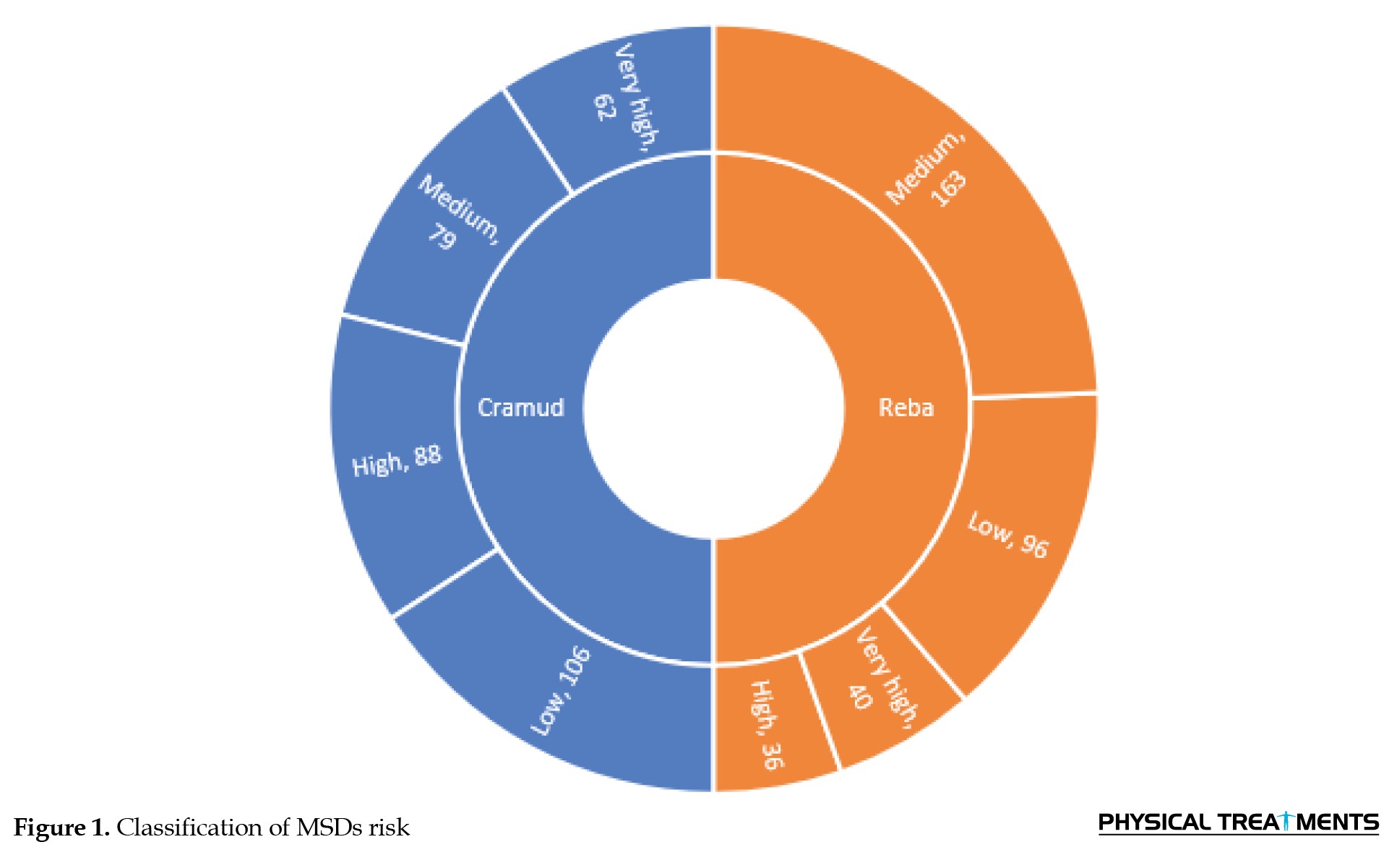
Based on CRAMUD scores, 18.5% of participants were at very high risk, 26.3% at high risk, 23.6% at moderate risk, and 31.6% at low risk. REBA scores also showed that 11.9% were at very high risk, 10.7% at high risk, 48.7% at moderate risk, and 28.7% at low risk.
Comparison of MSD risk assessment tools
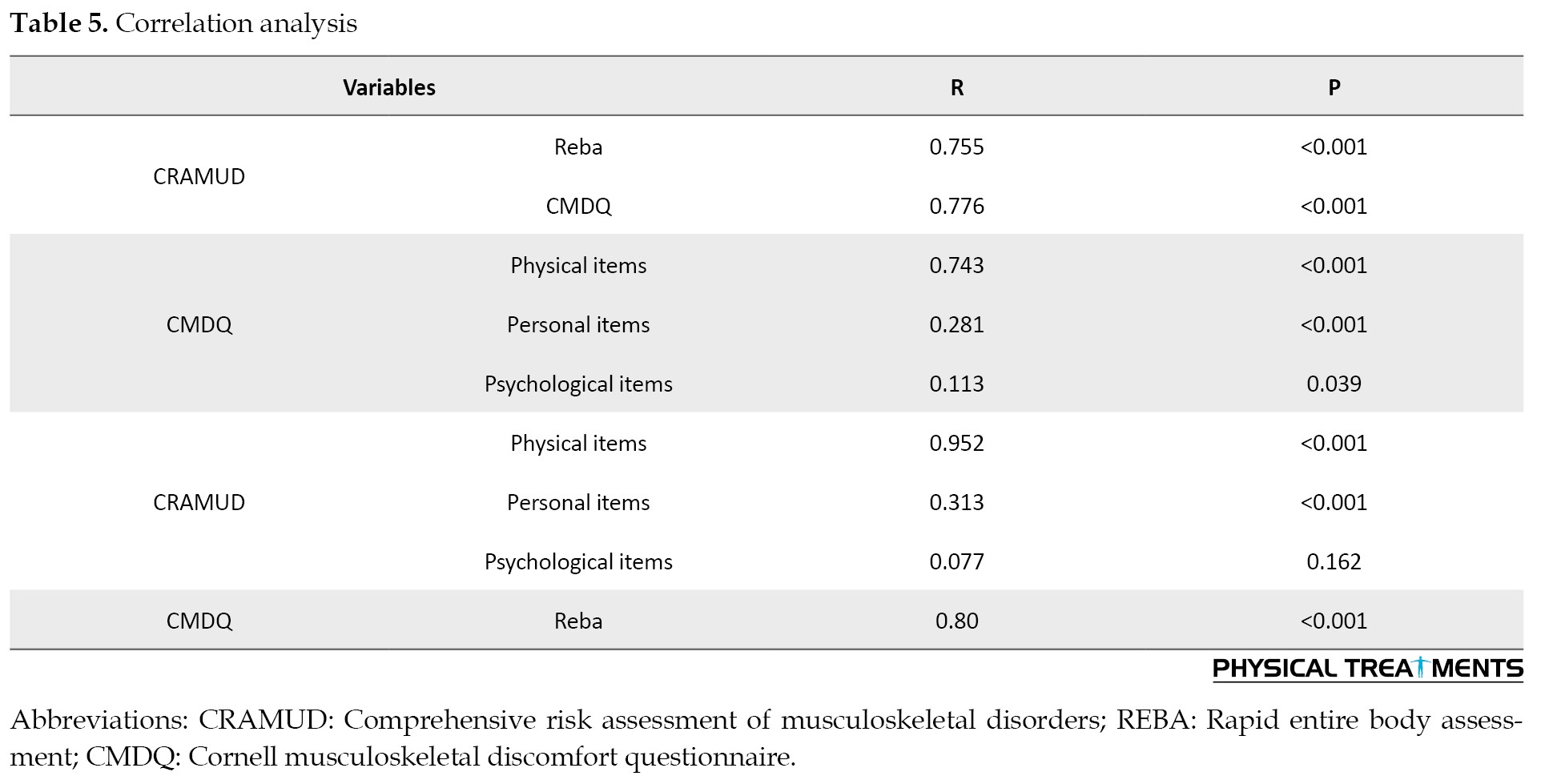
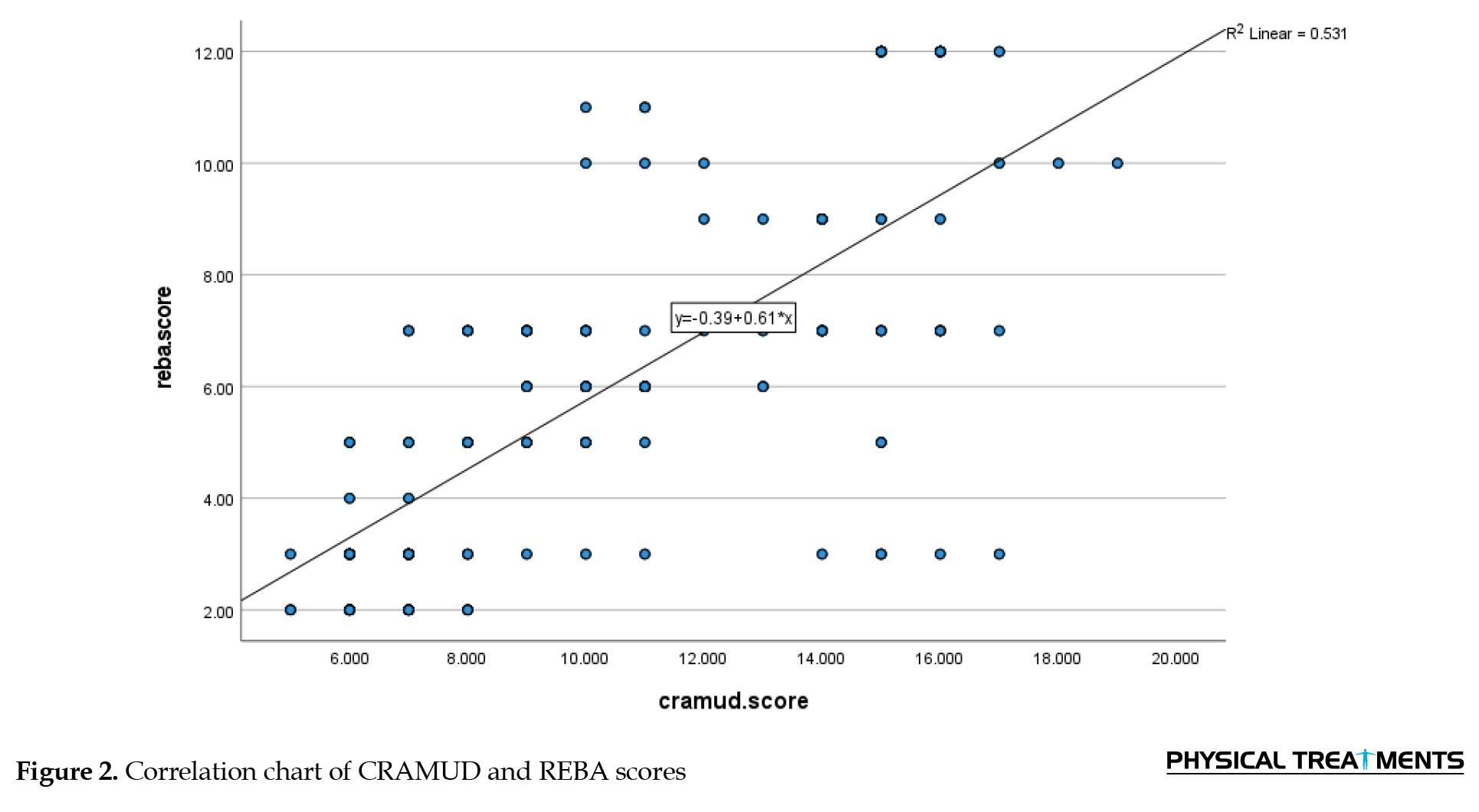
The relationship between the CRAMUD tool and the REBA and CMDQ scores was investigated to assess the risk of MSDs. The results showed that the scores from CRAMUD were highly correlated with those from both tools, indicating the method’s strong ability to identify people at risk. The CRAMUD score had a substantial positive association with the CMDQ (r=0.776, P<0.001) and REBA (r=0.755, P<0.001) in the correlation analysis of MSD diagnostic instrument scores. Additionally, there was a strong association (r=0.8, P<0.001) between the REBA and CMDQ scores. The physical items had the strongest connection (r=0.952, P<0.001) with the overall CRAMUD score among all the CRAMUD components (Table 5, Figure 2).
Linear regression analysis
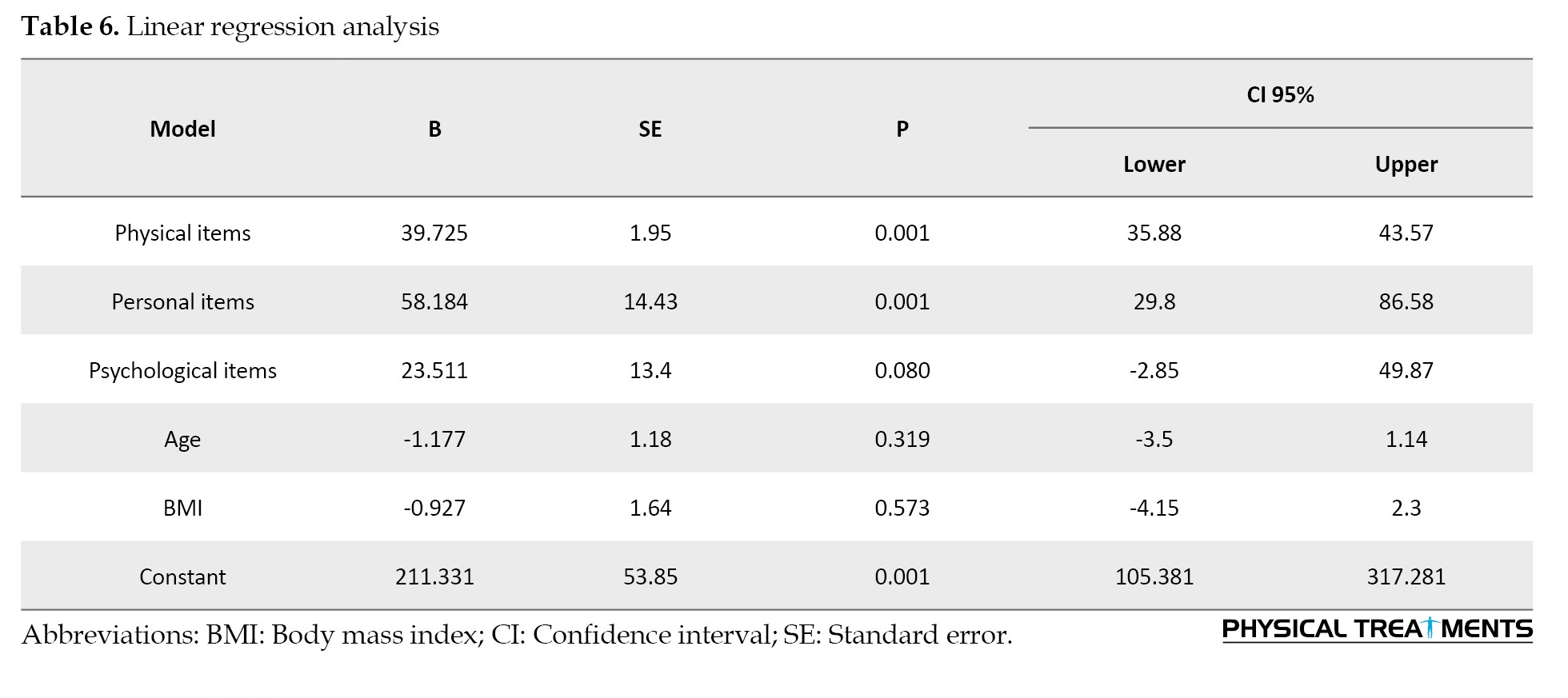
Physical, personal, and psychosocial item scores significantly impacted the CMDQ score (P<0.05) in multivariate regression analysis. Age and BMI did not significantly affect the CMDQ (P>0.05) in the regression model analysis of demographic factors (Table 6).
Prevalence of MSDs
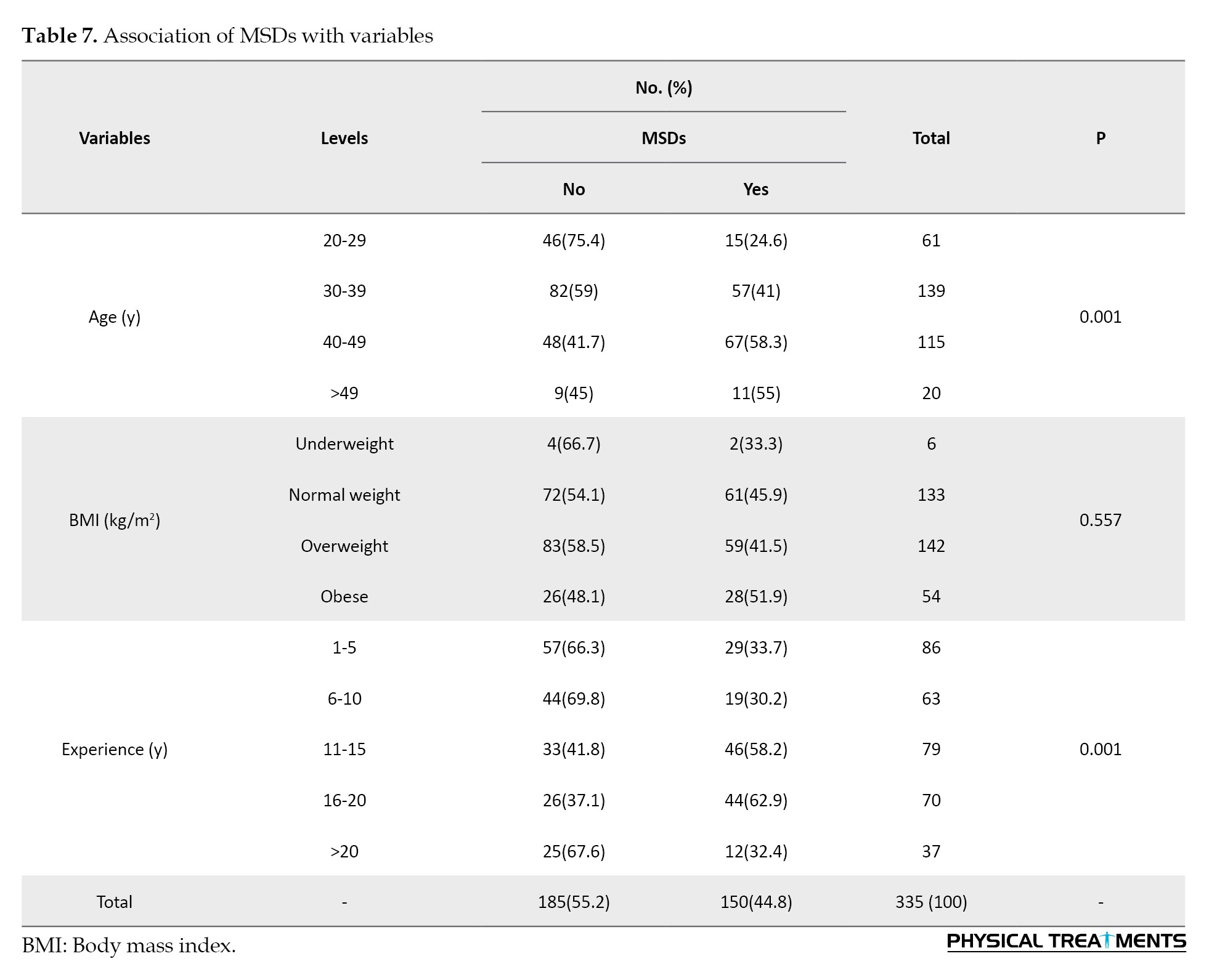
According to the CRAMUD score, the point prevalence of MSDs was 44.8%. The age distribution study revealed that the 20–29 age group had the lowest incidence rate (24.6%), while the 40–49 age group had the highest (58.3%) (P<0.001). Also, the study of BMI showed that 41.5% and 51.9% of overweight and obese individuals had MSDs, respectively. However, the statistical significance of this link was not established (P=0.557). However, a statistically significant correlation (P=0.001) was found between work experience and the presence of musculoskeletal conditions (Table 7).
Discussion
This study aimed to assess the risk of MSDs among male workers in an automotive parts manufacturing plant using the CRAMUD method and to determine its effectiveness against commonly used tools, such as the REBA and CMDQ. We hypothesized that CRAMUD accurately identifies workers at risk of MSDs and that physical, individual, and psychosocial factors significantly influence this risk. The results provide strong support for this hypothesis. This study found that the prevalence of MSDs among automotive assembly workers in Iran, with a mean work experience of 11.63±7.51 years, was 44.8%, indicating long-term exposure to risk factors. This finding necessitates preventive and ergonomic interventions in the work and production environments [31, 32]. Automotive parts manufacturing tasks often involve repetitive motions, awkward postures, high force, and sustained muscle strain. For example, workers are frequently involved in overhead work, prolonged standing, or moving heavy parts, all of which contribute to strain on the upper limbs and back [33]. The industry’s focus on mass production and efficiency often results in minimal variation in work cycles, high repetition rates, and inadequate rest periods. These conditions contribute to fatigue accumulation and make workers more vulnerable to MSDs over time [34]. This prevalence is similar to that of the comparable working environment but varies somewhat with recent studies. According to a 2023 cross-sectional study by Chen et al. on logistics workers in the automotive manufacturing industry in Guangzhou, China, the total prevalence of work-related MSDs was 42.9% [35]. According to research by Yang et al. 40.6% of workers in the industrial sector had MSDs [36]. These consistent findings and near-consensus may indicate stability in MSD prevalence across different parts of the motor vehicle sector and imply that MSDs continue to represent a significant occupational health concern within manufacturing sectors.
Compared to the instruments used to assess the prevalence of MSDs, the REBA instrument reported a lower prevalence, which may be due to the CRAMUD instruments’ more comprehensive nature.
The results of this study showed that the highest incidence of MSDs was in the age group of 40–49 years (58.3%), which confirms the findings of previous studies that middle-aged workers are at risk of developing MSDs due to cumulative physical strain [37]. This could be due to limitations in mobility, posture, and work-related stress among this group of individuals [38]. The results also showed that despite the trend of higher prevalence of MSDs among obese individuals (51.9% vs 45.9% in normal weight), there was no statistically significant association between BMI and MSDs. This finding is consistent with the studies of Tantawy et al. [39] and Thamrin et al. [40]. These results indicate that occupational factors in automotive and auto parts manufacturing may overshadow demographic effects, as Da Costa and Vieira emphasized the greater influence of workplace conditions and factors on the etiology of MSDs [13]. Additionally, the study’s findings revealed a substantial correlation between age and the CRAMUD MSD score across MSD distribution, indicating that younger individuals had a lower likelihood of developing MSDs than middle-aged individuals. This finding is consistent with the results of some studies [23, 41]. Also, a study on healthcare workers showed that the prevalence of skeletal disorders increases with age, and younger workers report a lower rate of these disorders [42]. However, a statistically significant relationship was observed between work experience and MSDs, consistent with the results of Hosseini’s study in the tile industry [43]. Therefore, according to the results obtained, it is recommended to transfer or reassign older workers with longer work histories to low-risk jobs.
Multivariate regression analysis results indicated that the risk of MSDs was significantly influenced by physical (B=39.725, P<0.001), personal (B=58.184, P<0.001), and psychosocial (B=23.511, P=0.080) components. Physical variables exert a strong influence (r=0.952 with CRAMUD, P<0.001), which is in line with findings from some research indicating that manual handling and repetitive jobs are the main causes of MSDs in manufacturing [44]. The findings of Park et al.’s study also demonstrate that physical elements have a higher coefficient of influence than both cognitive and personal components [45]. This could be because musculoskeletal problems are directly caused by workplace physical conditions, whereas an individual is predisposed to MSDs by personal and psychosocial factors. The marginal importance of psychosocial factors (P=0.080) is consistent with the results of some studies that support addressing workplace stress and social dynamics in MSDs prevention [21, 46], although the weaker effect in this study could be attributed to the overwhelming influence of the high-intensity physical demands inherent in the work environment. Studies suggest that physical exposures are direct, immediate, and measurable causes of MSDs, often overriding the more subtle contributions of individual characteristics or social context. Studies confirm that in environments such as assembly lines, physical factors have the strongest association with reported pain and disability [47, 48]. The results of the correlation study between the scores of the common MSD assessment tools REBA and CMDQ with CRAMUD showed a strong positive correlation. This result is consistent with the findings of Yazdanirad et al. who reported a strong correlation between CRAMUD and CMDQ scores [25].The stronger correlation between REBA and CMDQ also reinforces their common focus on physical ergonomics, although the broader scope of CRAMUD positions it as a preferred integrated tool for assessing the risk of MSDs. This result is consistent with the results of Yılmaz and Ünve [49]. Given the relatively high mean risk scores for MSDs in all three methods, ergonomic interventions are essential in the automotive parts manufacturing industry to prevent injuries, improve worker health, and improve productivity and operational efficiency. The effectiveness of these interventions depends not only on technical design but also on organizational integration and worker participation [50]. A participatory research approach in an automotive metal parts factory showed that a focused intervention program resulted in a reduction in injuries, largely attributable to the implementation of ergonomic improvement programs, which included worker training and equipment modifications [51]. Similarly, a randomized study in an Iranian automotive factory showed that ergonomic training alone significantly reduced neck and shoulder pain. This suggests that even non-technical interventions – such as workshops and coaching – can have a meaningful impact [52].
Conclusion
The results showed that the risk of MSDs is significant. The CRAMUD method showed a strong correlation with REBA and CMDQ, confirming its validity as a tool for assessing the risk of MSDs. The results also showed that all three physical, individual, and psychosocial factors affect the rate of MSDs, with the physical factor being the most effective. Such results demonstrate the potential of CRAMUD as a broad tool for identifying the risks of MSDs in the workplace, bearing in mind their multifactorial causation and the need for combined protective measures. Special emphasis should also be placed on reducing psychosocial and individual factors in the workplace that influence the prevalence of MSDs. However, multi-layered, participatory interventions, including training workshops, participatory ergonomics, and workstation redesign, offer a dynamic approach to significantly reducing MSDs by increasing worker participation in ergonomic assessments and solutions. Management measures such as establishing work-rest cycles and adequate rest periods, timely reporting, and managing early signs of MSDs can significantly reduce the incidence of these disorders.
Limitations and recommendations
Given the cross-sectional design of the study and the reliance on self-report, the findings should be interpreted with caution. Therefore, the results may not be generalizable to other occupational groups. Furthermore, this study was conducted using a relatively small sample size. Hence, a larger sample size is needed to obtain more robust results.
Although the high correlations among CRAMUD, REBA, and CMDQ support the convergent validity of the CRAMUD instrument, its predictive validity cannot be assessed due to the cross-sectional design of the present study. Therefore, future longitudinal studies are recommended to assess CRAMUD’s ability to predict the development of MSDs over time.
The researchers recommend conducting longitudinal studies, especially in workplaces with different genders, further investigating the role of individual and psychosocial factors in MSDs, and examining the impact of ergonomic interventions on the rate of disorders before and after the intervention.
Ethical Considerations
Compliance with ethical guidelines
This study was approved by the Research Ethics Committee of Shahid Beheshti University of Medical Sciences, Tehran, Iran (Code: IR.SBMU.RETECH.REC.1402.751). Written informed consent was obtained from all participants, and all data were kept confidential.
Funding
This article is extracted from an independent research project conducted at the Safety Promotion and Injury Prevention Research Center, Research Institute for Health Sciences and Environment, Shahid Beheshti University of Medical Sciences, Tehran, Iran and was financially supported by the Safety Promotion and Injury Prevention Research Center, Research Institute for Health Sciences and Environment, Shahid Beheshti University of Medical Sciences, Tehran, Iran (Grant No.: 43008751).
Authors' contributions
All authors contributed equally to the conception and design of the study, data collection and analysis, interception of the results and drafting of the manuscript. Each author approved the final version of the manuscript for submission.
Conflict of interest
The authors declared no conflict of interest.
Acknowledgments
The authors of this article express their gratitude to Shahid Beheshti University of Medical Sciences and the authorities of the automotive parts manufacturing industry. They also expressed their gratitude to all the employees who participated in this study.
Full-Text: (155 Views)
Introduction
The diversity of equipment in industrial contexts frequently results in unexpected occupational injuries. The complexity of resources and varying work environments can all impact workers’ health [1]. Since the mid-20th century, with the rapid growth of industry, diseases and conditions associated with industrial life have increased at an alarming rate [2]. Musculoskeletal disorders (MSDs) are among the most common occupational injury and disability causes [3, 4]. MSDs are inflammatory or degenerative MSDs caused by occupational activities that impair muscles, tendons, ligaments, and other associated support structures [5]. They may develop gradually over prolonged exposure to occupational hazards or abruptly as a result of sudden trauma [6]. MSDs are viewed as being amongst the most frequent occupational diseases within Europe and involve over 33% of workers in various sectors [7]. According to the U.S. Department of Labor, the prevalence of MSDs among the U.S. workforce is 29.7-32.6% [8]. A meta-analysis in Iran reported a high prevalence of work-related MSDs among Iranian workers, 50% for lower back pain and 42.1% for knee disorders [9].
These conditions lead to many issues, including disability, impairment in performing activities of daily living, physical and emotional distress, and vocational issues, all of which have direct and indirect costs [10]. In the United States, MSDs are estimated to cost 45–54 billion USD annually through compensation and loss of productivity, while in European countries, they account for approximately 2% of gross domestic product [11, 12].
Many conditions trigger the causation of MSDs in the workplace—almost entirely individual, physical, and psychosocial factors [13]. Individual factors are predominant. Research has reported that MSDs are linked to a higher frequency of physical activities, such as lifting, tugging, pushing, standing, bending, and performing hard or repetitive tasks [14]. The auto parts manufacturing industry has a high prevalence of MSDs due to common physical hazards such as manual handling of heavy parts, highly repetitive work cycles, poor posture, and the use of high-speed machines or hazardous power tools [15, 16]. Most workers in this sector work standing and often report shoulder, leg, and lower back pain due to repetitive and heavy work [17].
In addition to physical risks, personal and psychosocial elements may exacerbate MSDs. For instance, Karwan et al. discovered a significant relationship between the occurrence of MSDs and individual factors, including age, work experience, body mass index (BMI), smoking status, and physical activity [18]. Darvishi et al. provided evidence that working conditions, such as hours of work, mental workload, and the intensity of ergonomic risks, play an important role in the creation of MSDs [19]. Similarly, Rintala et al. reported that workers who had higher levels of physical fitness incurred fewer job-related injuries than less fit co-workers [20].
Studies also show that psychosocial factors influence MSD development across varied working conditions. A systematic review identified psychosocial stressors as causative agents for MSD development [21]. Bugajska et al. reported that excessive work demands, lack of control, and poor social support were the primary psychosocial risk factors [22]. In addition, an epidemiological study demonstrated that employees exposed to high psychosocial and physical risks developed more MSD symptoms, suggesting a powerful interaction among them [23].
Given these findings, preventing MSDs in industrial settings is essential. Traditional MSD assessment methods primarily focus on physical risks. Therefore, this study utilizes the comprehensive risk assessment of MSDs (CRAMUD) method, which evaluates MSD risk across three domains: personal, physical, and psychosocial. It also compares CRAMUD with two commonly used methods (rapid entire body assessment [REBA] and Cornell musculoskeletal discomfort questionnaire [CMDQ]) within an auto parts manufacturing setting. Since limited research has been conducted on MSDs in this industry and no studies have yet used the CRAMUD method in this context, the present study was designed to fill this gap.
Materials and Methods
This descriptive-analytical cross-sectional study was conducted in 2024. The objective was to use the CRAMUD approach to assess the risk and identify the prevalence of MSDs in one of the auto parts manufacturing factories in Tehran Province.
The study participants were male workers from the auto parts division of a car manufacturing company in Tehran Province, Iran. Participants were selected randomly, provided they met the inclusion criteria and did not meet any exclusion criteria. All participants’ general health status was assessed using the general health questionnaire (GHQ-28).
Inclusion and exclusion criteria
The inclusion criteria were the conscious willingness to participate in the study, completion of the informed consent form, being an official employee of the company, having over a year of work experience, not working two jobs, and engaging in many activities during their free time.
The exclusion criteria were the unwillingness to continue the study, occurrence of an occupational or non-occupational accident for the individual during the study, having structural musculoskeletal abnormalities, a history of severe trauma, and not having a neurological or psychiatric disease.
Sample size
Based on a cohort study that estimated the prevalence of MSDs among Iranian men at 53%, the sample size was calculated using a 95% confidence level and 90% test power. The exact calculation formula follows (Equation 1):

In the sample size formula, p refers to the estimated prevalence of 0.53, z refers to the 95% confidence level (1.96), and d refers to the margin of error. We used an estimate of 53% based on a national cohort of Iranian men [24], which, although not specific to auto parts workers, reflects the general prevalence of MSDs in the working male population. Given the absence of prior studies in this specific industrial context using the CRAMUD method, this was deemed an appropriate and conservative estimate. Based on the calculation using this formula, the minimum sample size was estimated at 340 participants. Of the 360 male workers employed in the selected industry, 343 were considered. However, three employees declined to respond. Moreover, five participants were disqualified due to incomplete responses or poorly completed questionnaires, leaving 335 participants who enrolled at the last minute and whose data were included in statistical analysis [24].
Data collection tools
CRAMUD questionnaire
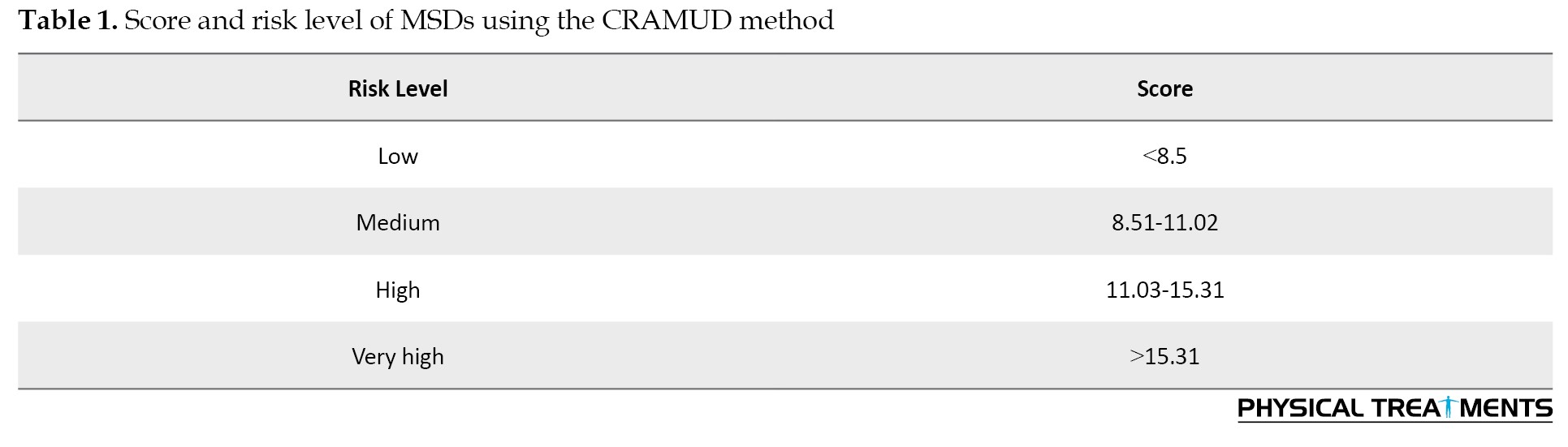
Through observation, this questionnaire was used to evaluate physical, psychological, and individual items. A total of 38 questions in two portions of the tool were designed. The worker completed explanations, and observational questions were completed by the expert(s). The REBA method was used to determine the worst and most frequent physical condition for each limb in group A (back, neck, and legs) and group B (arm, forearm, and wrist). The scores for this questionnaire ranged from 0 to 25.5, with the highest score indicating the level of MSDs in the individual (Table 1).
According to Yazdanirad et al. (2022), the questionnaire’s content validity and reliability were extremely good. Cronbach’s α coefficient was computed and reported as 0.94, while the average content validity ratio and content validity index were 0.77 and 0.934, respectively [25].
REBA questionnaire
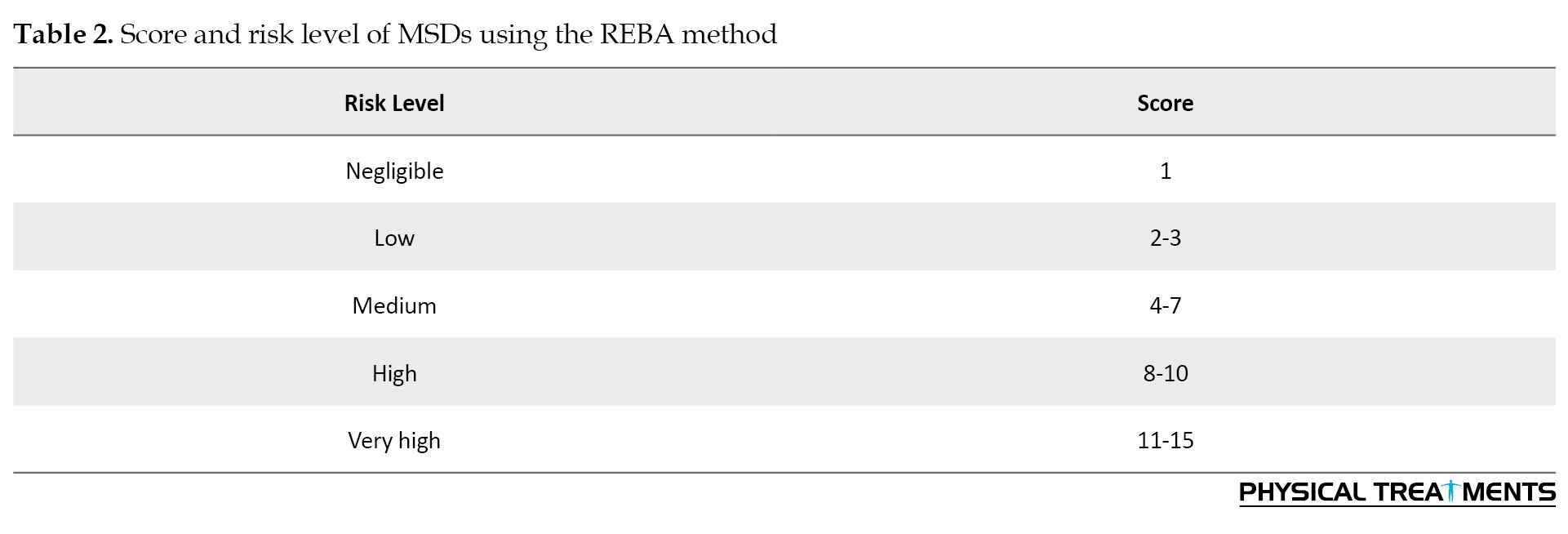
Since the activities of auto parts workers involved a combination of dynamic and static body positions, the risk of poor posture and repetitive motions was identified and evaluated using the REBA approach. Hignett and McAtamney developed this technique to examine the working positions. The methods involves examining the neck, trunk, upper limbs (arms, forearms, and wrists), and lower limbs (legs). In this method, each working position is scored by observing the head, trunk, and lower and upper limbs for their angles. Also, factors such as force, grip type, and muscle activity are added to the limb scores. A final score is obtained from the total scores, which determines the degree of risk to the individual’s musculoskeletal system. Ultimately, this method determines whether to modify that work situation, based on the level of risk identified [26, 27]. Table 2 presents the score and risk levels for muscularskeletal diseases using the REBA approach.
CMDQ
The three phases of this questionnaire, which includes a body map, are: frequency of discomfort (never, 1-2 times in the past week, 3-4 times in the past week, once a day, and multiple times a day); intensity of discomfort (slightly, moderately, and very uncomfortable); and interference with workability during the previous week (not at all, slightly uncomfortable, and significantly uncomfortable), and analyzes 12 body parts, which are a total of 20 body parts, based on the degree of organ damage in a self-reported manner. The CMDQ questionnaire is currently used in the United States and other countries worldwide and is well-known as a valuable tool for assessing the degree of musculoskeletal discomfort. To calculate the total score of discomfort due to MSDs, the scores of frequency (0, 1.5, 3.5, 5, and 10), severity (1, 2, and 3), and interference (1, 2, and 3) in each body region were multiplied together, and then the obtained values were added together [28, 29]. In the study by Afifehzadeh-Kashani et al. (2010), which examined the validity and reliability of the Persian version of this questionnaire, they found the results to be desirable. The Cronbach’s α coefficient for this questionnaire was calculated and reported as 0.986 [30].
Data collection
Following the acquisition of the required authorization from the Vice President for Research, the Ethics Committee of Shahid Beheshti University of Medical Sciences, and the representatives of the auto parts manufacturer, the researchers visited the relevant industry, explained the research objectives, and obtained informed consent from the industry employees. Demographic data, such as age, height, weight, and work experience, were collected in the first step. Then, the participants were asked to complete the CMDQ and questions regarding the individual and psychological elements of the CRAMUD questionnaire. They were then permitted to go back to work and carry out their regular tasks. The researchers observed the participants’ duties and spoke with them, as well as with the company’s safety and health manager, to obtain information about the questionnaire’s physical items. Using the REBA approach, the worst and most common conditions associated with each body part during working hours were assessed.
Statistical analysis
SPSS software, version 27 was used to analyze the data. The Shapiro-Wilk test was used to verify the normality of the data distribution. Depending on the normality of the data, the Pearson or Spearman correlation coefficient was used to evaluate the relationship between quantitative variables. Qualitative variables between groups were compared using the chi-square test. Linear regression was used to examine the relationship between independent variables and the dependent variable. Before performing regression analysis, we examined the standard assumptions, including linearity, normality of the residuals, homoscedasticity, and independence of errors. Multicollinearity was assessed using the variance inflation factor (VIF), and all VIF values were below 2. The significance level for all tests was set at P<0.05. In addition, the point prevalence of the variable in question was also calculated.
Results
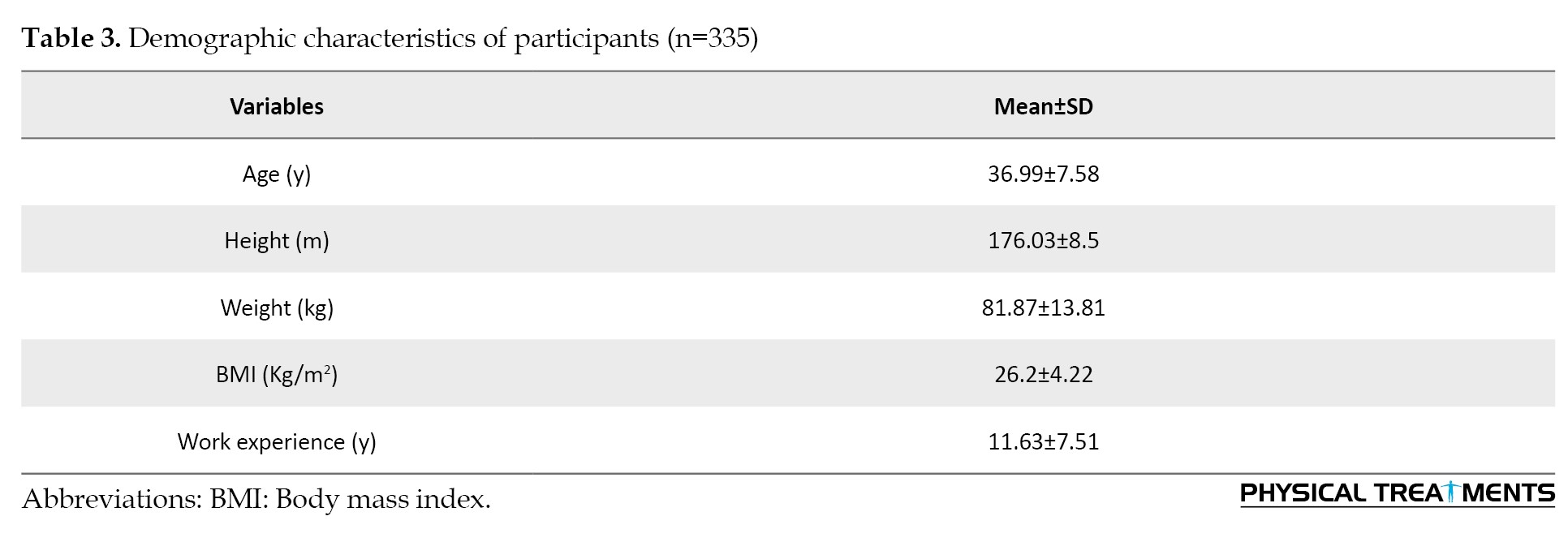
A total of 335 participants were included in this study, with a mean work experience of 11.63±7.51 years; all were male. The mean age of the participants was 36.99±7.58 years. The mean BMI of the participants was 26.20±4.22 kg/m2. Table 3 presents the Mean±SD of the demographic factors.
Mean and standard deviation of MSD risk scores
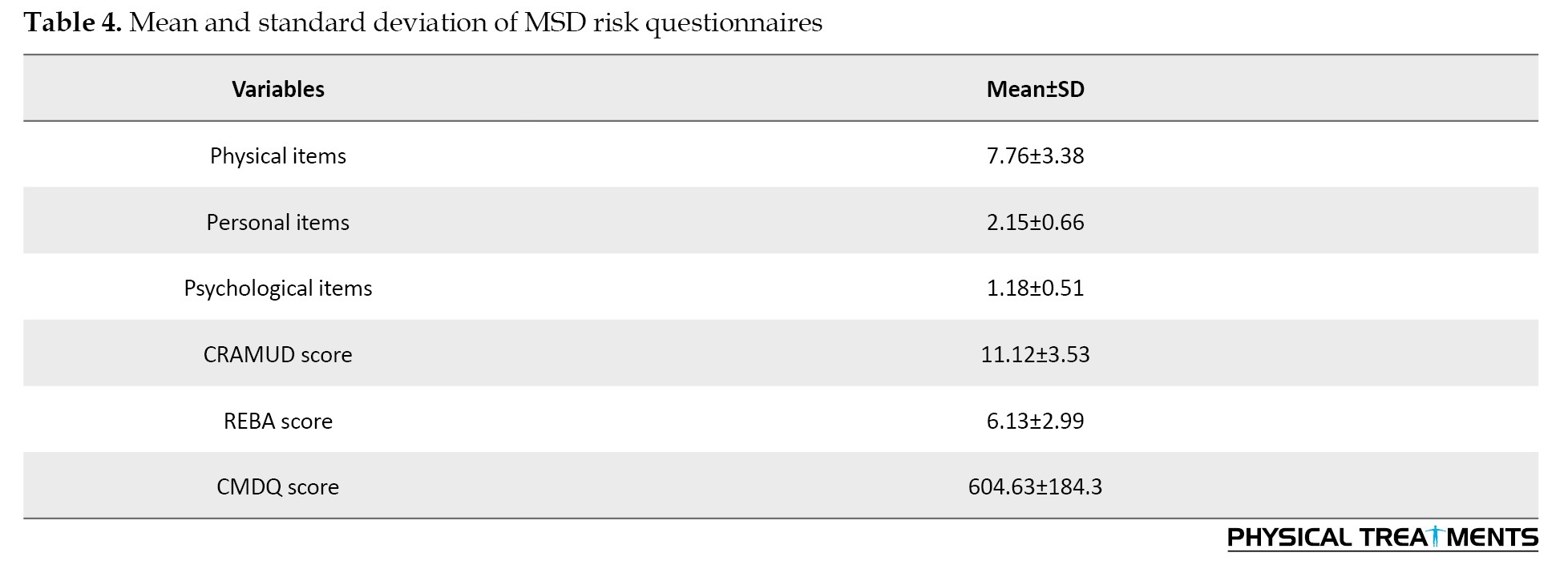
The CRAMUD score consists of three items: personal, psychological, and physical. The mean estimated MSD risk score using the CRAMUD method was 11.11±3.53. This score was estimated to be 6.13 for the REBA questionnaire and 604.63 for the CMDQ (Table 4, Figure 1).
The diversity of equipment in industrial contexts frequently results in unexpected occupational injuries. The complexity of resources and varying work environments can all impact workers’ health [1]. Since the mid-20th century, with the rapid growth of industry, diseases and conditions associated with industrial life have increased at an alarming rate [2]. Musculoskeletal disorders (MSDs) are among the most common occupational injury and disability causes [3, 4]. MSDs are inflammatory or degenerative MSDs caused by occupational activities that impair muscles, tendons, ligaments, and other associated support structures [5]. They may develop gradually over prolonged exposure to occupational hazards or abruptly as a result of sudden trauma [6]. MSDs are viewed as being amongst the most frequent occupational diseases within Europe and involve over 33% of workers in various sectors [7]. According to the U.S. Department of Labor, the prevalence of MSDs among the U.S. workforce is 29.7-32.6% [8]. A meta-analysis in Iran reported a high prevalence of work-related MSDs among Iranian workers, 50% for lower back pain and 42.1% for knee disorders [9].
These conditions lead to many issues, including disability, impairment in performing activities of daily living, physical and emotional distress, and vocational issues, all of which have direct and indirect costs [10]. In the United States, MSDs are estimated to cost 45–54 billion USD annually through compensation and loss of productivity, while in European countries, they account for approximately 2% of gross domestic product [11, 12].
Many conditions trigger the causation of MSDs in the workplace—almost entirely individual, physical, and psychosocial factors [13]. Individual factors are predominant. Research has reported that MSDs are linked to a higher frequency of physical activities, such as lifting, tugging, pushing, standing, bending, and performing hard or repetitive tasks [14]. The auto parts manufacturing industry has a high prevalence of MSDs due to common physical hazards such as manual handling of heavy parts, highly repetitive work cycles, poor posture, and the use of high-speed machines or hazardous power tools [15, 16]. Most workers in this sector work standing and often report shoulder, leg, and lower back pain due to repetitive and heavy work [17].
In addition to physical risks, personal and psychosocial elements may exacerbate MSDs. For instance, Karwan et al. discovered a significant relationship between the occurrence of MSDs and individual factors, including age, work experience, body mass index (BMI), smoking status, and physical activity [18]. Darvishi et al. provided evidence that working conditions, such as hours of work, mental workload, and the intensity of ergonomic risks, play an important role in the creation of MSDs [19]. Similarly, Rintala et al. reported that workers who had higher levels of physical fitness incurred fewer job-related injuries than less fit co-workers [20].
Studies also show that psychosocial factors influence MSD development across varied working conditions. A systematic review identified psychosocial stressors as causative agents for MSD development [21]. Bugajska et al. reported that excessive work demands, lack of control, and poor social support were the primary psychosocial risk factors [22]. In addition, an epidemiological study demonstrated that employees exposed to high psychosocial and physical risks developed more MSD symptoms, suggesting a powerful interaction among them [23].
Given these findings, preventing MSDs in industrial settings is essential. Traditional MSD assessment methods primarily focus on physical risks. Therefore, this study utilizes the comprehensive risk assessment of MSDs (CRAMUD) method, which evaluates MSD risk across three domains: personal, physical, and psychosocial. It also compares CRAMUD with two commonly used methods (rapid entire body assessment [REBA] and Cornell musculoskeletal discomfort questionnaire [CMDQ]) within an auto parts manufacturing setting. Since limited research has been conducted on MSDs in this industry and no studies have yet used the CRAMUD method in this context, the present study was designed to fill this gap.
Materials and Methods
This descriptive-analytical cross-sectional study was conducted in 2024. The objective was to use the CRAMUD approach to assess the risk and identify the prevalence of MSDs in one of the auto parts manufacturing factories in Tehran Province.
The study participants were male workers from the auto parts division of a car manufacturing company in Tehran Province, Iran. Participants were selected randomly, provided they met the inclusion criteria and did not meet any exclusion criteria. All participants’ general health status was assessed using the general health questionnaire (GHQ-28).
Inclusion and exclusion criteria
The inclusion criteria were the conscious willingness to participate in the study, completion of the informed consent form, being an official employee of the company, having over a year of work experience, not working two jobs, and engaging in many activities during their free time.
The exclusion criteria were the unwillingness to continue the study, occurrence of an occupational or non-occupational accident for the individual during the study, having structural musculoskeletal abnormalities, a history of severe trauma, and not having a neurological or psychiatric disease.
Sample size
Based on a cohort study that estimated the prevalence of MSDs among Iranian men at 53%, the sample size was calculated using a 95% confidence level and 90% test power. The exact calculation formula follows (Equation 1):
In the sample size formula, p refers to the estimated prevalence of 0.53, z refers to the 95% confidence level (1.96), and d refers to the margin of error. We used an estimate of 53% based on a national cohort of Iranian men [24], which, although not specific to auto parts workers, reflects the general prevalence of MSDs in the working male population. Given the absence of prior studies in this specific industrial context using the CRAMUD method, this was deemed an appropriate and conservative estimate. Based on the calculation using this formula, the minimum sample size was estimated at 340 participants. Of the 360 male workers employed in the selected industry, 343 were considered. However, three employees declined to respond. Moreover, five participants were disqualified due to incomplete responses or poorly completed questionnaires, leaving 335 participants who enrolled at the last minute and whose data were included in statistical analysis [24].
Data collection tools
CRAMUD questionnaire
Through observation, this questionnaire was used to evaluate physical, psychological, and individual items. A total of 38 questions in two portions of the tool were designed. The worker completed explanations, and observational questions were completed by the expert(s). The REBA method was used to determine the worst and most frequent physical condition for each limb in group A (back, neck, and legs) and group B (arm, forearm, and wrist). The scores for this questionnaire ranged from 0 to 25.5, with the highest score indicating the level of MSDs in the individual (Table 1).
According to Yazdanirad et al. (2022), the questionnaire’s content validity and reliability were extremely good. Cronbach’s α coefficient was computed and reported as 0.94, while the average content validity ratio and content validity index were 0.77 and 0.934, respectively [25].
REBA questionnaire
Since the activities of auto parts workers involved a combination of dynamic and static body positions, the risk of poor posture and repetitive motions was identified and evaluated using the REBA approach. Hignett and McAtamney developed this technique to examine the working positions. The methods involves examining the neck, trunk, upper limbs (arms, forearms, and wrists), and lower limbs (legs). In this method, each working position is scored by observing the head, trunk, and lower and upper limbs for their angles. Also, factors such as force, grip type, and muscle activity are added to the limb scores. A final score is obtained from the total scores, which determines the degree of risk to the individual’s musculoskeletal system. Ultimately, this method determines whether to modify that work situation, based on the level of risk identified [26, 27]. Table 2 presents the score and risk levels for muscularskeletal diseases using the REBA approach.
CMDQ
The three phases of this questionnaire, which includes a body map, are: frequency of discomfort (never, 1-2 times in the past week, 3-4 times in the past week, once a day, and multiple times a day); intensity of discomfort (slightly, moderately, and very uncomfortable); and interference with workability during the previous week (not at all, slightly uncomfortable, and significantly uncomfortable), and analyzes 12 body parts, which are a total of 20 body parts, based on the degree of organ damage in a self-reported manner. The CMDQ questionnaire is currently used in the United States and other countries worldwide and is well-known as a valuable tool for assessing the degree of musculoskeletal discomfort. To calculate the total score of discomfort due to MSDs, the scores of frequency (0, 1.5, 3.5, 5, and 10), severity (1, 2, and 3), and interference (1, 2, and 3) in each body region were multiplied together, and then the obtained values were added together [28, 29]. In the study by Afifehzadeh-Kashani et al. (2010), which examined the validity and reliability of the Persian version of this questionnaire, they found the results to be desirable. The Cronbach’s α coefficient for this questionnaire was calculated and reported as 0.986 [30].
Data collection
Following the acquisition of the required authorization from the Vice President for Research, the Ethics Committee of Shahid Beheshti University of Medical Sciences, and the representatives of the auto parts manufacturer, the researchers visited the relevant industry, explained the research objectives, and obtained informed consent from the industry employees. Demographic data, such as age, height, weight, and work experience, were collected in the first step. Then, the participants were asked to complete the CMDQ and questions regarding the individual and psychological elements of the CRAMUD questionnaire. They were then permitted to go back to work and carry out their regular tasks. The researchers observed the participants’ duties and spoke with them, as well as with the company’s safety and health manager, to obtain information about the questionnaire’s physical items. Using the REBA approach, the worst and most common conditions associated with each body part during working hours were assessed.
Statistical analysis
SPSS software, version 27 was used to analyze the data. The Shapiro-Wilk test was used to verify the normality of the data distribution. Depending on the normality of the data, the Pearson or Spearman correlation coefficient was used to evaluate the relationship between quantitative variables. Qualitative variables between groups were compared using the chi-square test. Linear regression was used to examine the relationship between independent variables and the dependent variable. Before performing regression analysis, we examined the standard assumptions, including linearity, normality of the residuals, homoscedasticity, and independence of errors. Multicollinearity was assessed using the variance inflation factor (VIF), and all VIF values were below 2. The significance level for all tests was set at P<0.05. In addition, the point prevalence of the variable in question was also calculated.
Results
A total of 335 participants were included in this study, with a mean work experience of 11.63±7.51 years; all were male. The mean age of the participants was 36.99±7.58 years. The mean BMI of the participants was 26.20±4.22 kg/m2. Table 3 presents the Mean±SD of the demographic factors.
Mean and standard deviation of MSD risk scores
The CRAMUD score consists of three items: personal, psychological, and physical. The mean estimated MSD risk score using the CRAMUD method was 11.11±3.53. This score was estimated to be 6.13 for the REBA questionnaire and 604.63 for the CMDQ (Table 4, Figure 1).
MSDs risk classification
Based on CRAMUD scores, 18.5% of participants were at very high risk, 26.3% at high risk, 23.6% at moderate risk, and 31.6% at low risk. REBA scores also showed that 11.9% were at very high risk, 10.7% at high risk, 48.7% at moderate risk, and 28.7% at low risk.
Comparison of MSD risk assessment tools
The relationship between the CRAMUD tool and the REBA and CMDQ scores was investigated to assess the risk of MSDs. The results showed that the scores from CRAMUD were highly correlated with those from both tools, indicating the method’s strong ability to identify people at risk. The CRAMUD score had a substantial positive association with the CMDQ (r=0.776, P<0.001) and REBA (r=0.755, P<0.001) in the correlation analysis of MSD diagnostic instrument scores. Additionally, there was a strong association (r=0.8, P<0.001) between the REBA and CMDQ scores. The physical items had the strongest connection (r=0.952, P<0.001) with the overall CRAMUD score among all the CRAMUD components (Table 5, Figure 2).
Linear regression analysis
Physical, personal, and psychosocial item scores significantly impacted the CMDQ score (P<0.05) in multivariate regression analysis. Age and BMI did not significantly affect the CMDQ (P>0.05) in the regression model analysis of demographic factors (Table 6).
Prevalence of MSDs
According to the CRAMUD score, the point prevalence of MSDs was 44.8%. The age distribution study revealed that the 20–29 age group had the lowest incidence rate (24.6%), while the 40–49 age group had the highest (58.3%) (P<0.001). Also, the study of BMI showed that 41.5% and 51.9% of overweight and obese individuals had MSDs, respectively. However, the statistical significance of this link was not established (P=0.557). However, a statistically significant correlation (P=0.001) was found between work experience and the presence of musculoskeletal conditions (Table 7).
Discussion
This study aimed to assess the risk of MSDs among male workers in an automotive parts manufacturing plant using the CRAMUD method and to determine its effectiveness against commonly used tools, such as the REBA and CMDQ. We hypothesized that CRAMUD accurately identifies workers at risk of MSDs and that physical, individual, and psychosocial factors significantly influence this risk. The results provide strong support for this hypothesis. This study found that the prevalence of MSDs among automotive assembly workers in Iran, with a mean work experience of 11.63±7.51 years, was 44.8%, indicating long-term exposure to risk factors. This finding necessitates preventive and ergonomic interventions in the work and production environments [31, 32]. Automotive parts manufacturing tasks often involve repetitive motions, awkward postures, high force, and sustained muscle strain. For example, workers are frequently involved in overhead work, prolonged standing, or moving heavy parts, all of which contribute to strain on the upper limbs and back [33]. The industry’s focus on mass production and efficiency often results in minimal variation in work cycles, high repetition rates, and inadequate rest periods. These conditions contribute to fatigue accumulation and make workers more vulnerable to MSDs over time [34]. This prevalence is similar to that of the comparable working environment but varies somewhat with recent studies. According to a 2023 cross-sectional study by Chen et al. on logistics workers in the automotive manufacturing industry in Guangzhou, China, the total prevalence of work-related MSDs was 42.9% [35]. According to research by Yang et al. 40.6% of workers in the industrial sector had MSDs [36]. These consistent findings and near-consensus may indicate stability in MSD prevalence across different parts of the motor vehicle sector and imply that MSDs continue to represent a significant occupational health concern within manufacturing sectors.
Compared to the instruments used to assess the prevalence of MSDs, the REBA instrument reported a lower prevalence, which may be due to the CRAMUD instruments’ more comprehensive nature.
The results of this study showed that the highest incidence of MSDs was in the age group of 40–49 years (58.3%), which confirms the findings of previous studies that middle-aged workers are at risk of developing MSDs due to cumulative physical strain [37]. This could be due to limitations in mobility, posture, and work-related stress among this group of individuals [38]. The results also showed that despite the trend of higher prevalence of MSDs among obese individuals (51.9% vs 45.9% in normal weight), there was no statistically significant association between BMI and MSDs. This finding is consistent with the studies of Tantawy et al. [39] and Thamrin et al. [40]. These results indicate that occupational factors in automotive and auto parts manufacturing may overshadow demographic effects, as Da Costa and Vieira emphasized the greater influence of workplace conditions and factors on the etiology of MSDs [13]. Additionally, the study’s findings revealed a substantial correlation between age and the CRAMUD MSD score across MSD distribution, indicating that younger individuals had a lower likelihood of developing MSDs than middle-aged individuals. This finding is consistent with the results of some studies [23, 41]. Also, a study on healthcare workers showed that the prevalence of skeletal disorders increases with age, and younger workers report a lower rate of these disorders [42]. However, a statistically significant relationship was observed between work experience and MSDs, consistent with the results of Hosseini’s study in the tile industry [43]. Therefore, according to the results obtained, it is recommended to transfer or reassign older workers with longer work histories to low-risk jobs.
Multivariate regression analysis results indicated that the risk of MSDs was significantly influenced by physical (B=39.725, P<0.001), personal (B=58.184, P<0.001), and psychosocial (B=23.511, P=0.080) components. Physical variables exert a strong influence (r=0.952 with CRAMUD, P<0.001), which is in line with findings from some research indicating that manual handling and repetitive jobs are the main causes of MSDs in manufacturing [44]. The findings of Park et al.’s study also demonstrate that physical elements have a higher coefficient of influence than both cognitive and personal components [45]. This could be because musculoskeletal problems are directly caused by workplace physical conditions, whereas an individual is predisposed to MSDs by personal and psychosocial factors. The marginal importance of psychosocial factors (P=0.080) is consistent with the results of some studies that support addressing workplace stress and social dynamics in MSDs prevention [21, 46], although the weaker effect in this study could be attributed to the overwhelming influence of the high-intensity physical demands inherent in the work environment. Studies suggest that physical exposures are direct, immediate, and measurable causes of MSDs, often overriding the more subtle contributions of individual characteristics or social context. Studies confirm that in environments such as assembly lines, physical factors have the strongest association with reported pain and disability [47, 48]. The results of the correlation study between the scores of the common MSD assessment tools REBA and CMDQ with CRAMUD showed a strong positive correlation. This result is consistent with the findings of Yazdanirad et al. who reported a strong correlation between CRAMUD and CMDQ scores [25].The stronger correlation between REBA and CMDQ also reinforces their common focus on physical ergonomics, although the broader scope of CRAMUD positions it as a preferred integrated tool for assessing the risk of MSDs. This result is consistent with the results of Yılmaz and Ünve [49]. Given the relatively high mean risk scores for MSDs in all three methods, ergonomic interventions are essential in the automotive parts manufacturing industry to prevent injuries, improve worker health, and improve productivity and operational efficiency. The effectiveness of these interventions depends not only on technical design but also on organizational integration and worker participation [50]. A participatory research approach in an automotive metal parts factory showed that a focused intervention program resulted in a reduction in injuries, largely attributable to the implementation of ergonomic improvement programs, which included worker training and equipment modifications [51]. Similarly, a randomized study in an Iranian automotive factory showed that ergonomic training alone significantly reduced neck and shoulder pain. This suggests that even non-technical interventions – such as workshops and coaching – can have a meaningful impact [52].
Conclusion
The results showed that the risk of MSDs is significant. The CRAMUD method showed a strong correlation with REBA and CMDQ, confirming its validity as a tool for assessing the risk of MSDs. The results also showed that all three physical, individual, and psychosocial factors affect the rate of MSDs, with the physical factor being the most effective. Such results demonstrate the potential of CRAMUD as a broad tool for identifying the risks of MSDs in the workplace, bearing in mind their multifactorial causation and the need for combined protective measures. Special emphasis should also be placed on reducing psychosocial and individual factors in the workplace that influence the prevalence of MSDs. However, multi-layered, participatory interventions, including training workshops, participatory ergonomics, and workstation redesign, offer a dynamic approach to significantly reducing MSDs by increasing worker participation in ergonomic assessments and solutions. Management measures such as establishing work-rest cycles and adequate rest periods, timely reporting, and managing early signs of MSDs can significantly reduce the incidence of these disorders.
Limitations and recommendations
Given the cross-sectional design of the study and the reliance on self-report, the findings should be interpreted with caution. Therefore, the results may not be generalizable to other occupational groups. Furthermore, this study was conducted using a relatively small sample size. Hence, a larger sample size is needed to obtain more robust results.
Although the high correlations among CRAMUD, REBA, and CMDQ support the convergent validity of the CRAMUD instrument, its predictive validity cannot be assessed due to the cross-sectional design of the present study. Therefore, future longitudinal studies are recommended to assess CRAMUD’s ability to predict the development of MSDs over time.
The researchers recommend conducting longitudinal studies, especially in workplaces with different genders, further investigating the role of individual and psychosocial factors in MSDs, and examining the impact of ergonomic interventions on the rate of disorders before and after the intervention.
Ethical Considerations
Compliance with ethical guidelines
This study was approved by the Research Ethics Committee of Shahid Beheshti University of Medical Sciences, Tehran, Iran (Code: IR.SBMU.RETECH.REC.1402.751). Written informed consent was obtained from all participants, and all data were kept confidential.
Funding
This article is extracted from an independent research project conducted at the Safety Promotion and Injury Prevention Research Center, Research Institute for Health Sciences and Environment, Shahid Beheshti University of Medical Sciences, Tehran, Iran and was financially supported by the Safety Promotion and Injury Prevention Research Center, Research Institute for Health Sciences and Environment, Shahid Beheshti University of Medical Sciences, Tehran, Iran (Grant No.: 43008751).
Authors' contributions
All authors contributed equally to the conception and design of the study, data collection and analysis, interception of the results and drafting of the manuscript. Each author approved the final version of the manuscript for submission.
Conflict of interest
The authors declared no conflict of interest.
Acknowledgments
The authors of this article express their gratitude to Shahid Beheshti University of Medical Sciences and the authorities of the automotive parts manufacturing industry. They also expressed their gratitude to all the employees who participated in this study.
References
- Parno A, Sayehmiri K, Nabi Amjad R, Ivanbagha R, Hosseini Ahagh M M, Hosseini Foladi S, et al . Meta-analysis study of work-related musculoskeletal disorders in Iran. Archives of Rehabilitation. 2020; 21(2):182-205. [Link]
- Vagharimoghaddam M, Tabatabaei Ghomsheh F, Osqueizadeh R, Ahmadinezhad P, Khammar A, Poursadeghiyan M. Evaluation of musculoskeletal disorders in employees and ergonomic design of the workstation of the tile factory separation unit. JOHE. 2025; 12(1):73-86. [DOI:10.53208/joohe.12.1.73]
- Gill TK, Mittinty MM, March LM, Steinmetz JD, Culbreth GT, Cross M, et al. Global, regional, and national burden of other musculoskeletal disorders, 1990-2020, and projections to 2050: a systematic analysis of the Global Burden of Disease Study 2021. The Lancet Rheumatology. 2023; 5(11):e670-e82. [Link]
- Poursadeghiyan M, Sheikhlouei L ,Ahmadinejad P, Esmali R, Hekmatfar S,Utilizingthe Finnish method to assessment the dentist’s adaptability to physical, environmental, cognitive, and macro -ergonomic features in dental practice: A health promotion approach. Journal of Education and Health Promotion. 2026; 14(1):473. [DOI:10.4103/jehp.jehp_674_25]
- Yarmohammadi H, Niksima SH, Yarmohammadi S, Khammar A, Marioryad H, Poursadeqiyan M. Evaluating the prevalence of musculoskeletal disorders in drivers systematic review and meta-analysis. Journal of Health and Safety at Work. 2019; 9(3):221-30. [Link]
- Omidianidost. The relationship between individual, occupational factors and LBP (low back pain) in one of the auto parts manufacturing workshops of Tehran in 2015. Journal of Engineering And Applied Sciences. 2016; 11(5):1074-7. [Link]
- Nakata M. [Trends in research and prevention policies for work-related musculoskeletal disorders at the European Agency for Safety and Health at Work (EU-OSHA) (Japanese)]. Sangyo eiseigaku zasshi= Journal of Occupational Health. 2002; 44(2):64-8. [DOI:10.1539/sangyoeisei.KJ00002552692] [PMID]
- Bhattacharya A. Costs of occupational musculoskeletal disorders (MSDs) in the United States. International Journal of Industrial Ergonomics. 2014; 44(3):448-54. [DOI:10.1016/j.ergon.2014.01.008] [PMID] [PMCID]
- Parno A, Sayehmiri K, Parno M, Khandan M, Poursadeghiyan M, Maghsoudipour M, et al. The prevalence of occupational musculoskeletal disorders in Iran: A meta-analysis study. Work. 2017; 58(2):203-14. [DOI:10.3233/WOR-172619] [PMID]
- Pirboneh M, Karimi S, Jafari HR, Panahi D. [Examination of occupational stress and its connection with muscular-skeletal disorders among the employees of construction industry in the city of Tehran (Persian)]. Journal of Environmental Studies. 2021; 47(1):111-24. [Link]
- Bevan S. Economic impact of musculoskeletal disorders (MSDs) on work in Europe. Best Practice & Research Clinical Rheumatology. 2015; 29(3):356-73. [DOI:10.1016/j.berh.2015.08.002] [PMID]
- Kang D, Kim YK, Kim EA, Kim DH, Kim I, Kim HR, et al. Prevention of work-related musculoskeletal disorders. Annals of Occupational and Environmental Medicine. 2014; 26:14. [DOI:10.1186/2052-4374-26-14] [PMID]
- Da Costa BR, Vieira ER. Risk factors for work‐related musculoskeletal disorders: A systematic review of recent longitudinal studies. American Journal of Industrial Medicine. 2010; 53(3):285-323. [DOI:10.1002/ajim.20750] [PMID]
- Mousavi SM, Montazeri A, Esnaaharieh M, Izadi N, Poursadeghiyan M, Salehi Sahlabadi A. Comparison and agreement between WERA, QEC, and ART methods in evaluating drivers’ musculoskeletal disorders risk. PTJ. 2026; 16(1):83-94. [DOI:10.32598/ptj.16.1.667.1]
- Lim HK, Luo M, Kim DG, Kim HY. Prevention and management of musculoskeletal disorders in automobile-related industries. Journal of the Ergonomics Society of Korea. 2010; 29(4):479-86. [DOI:10.5143/JESK.2010.29.4.479]
- Yang ST, Jeong BY, Park MH. Characteristics of occupational injuries in the automobile parts manufacturing industry. Journal of the Ergonomics Society of Korea. 2017; 36(3):231-44. [Link]
- Lee KH, Lee KS. Effects of fatigue on health promotion behavior and mental health of automotive manufacturing workers. Korean Journal of Occupational Health Nursing. 2011; 20(2):143-52. [DOI:10.5807/kjohn.2011.20.2.143]
- Karwan MK, Azuhairi AA, Hayati KS. Predictors of upper limb disorders among a public university workers in Malaysia. International Journal of Public Health and Clinical Sciences. 2015; 2(3):133-50. [Link]
- Darvishi E, Ghasemi F, Sadeghi F, Abedi K, Rahmati S, Sadeghzade G. Risk assessment of the work-related musculoskeletal disorders based on individual characteristics using path analysis models. BMC Musculoskeletal Disorders. 2022; 23(1):616. [DOI:10.1186/s12891-022-05573-6]
- Rintala H, Häkkinen A, Siitonen S, Kyröläinen H. Relationships between physical fitness, demands of flight duty, and musculoskeletal symptoms among military pilots. Military Medicine. 2015; 180(12):1233-8. [DOI:10.7205/MILMED-D-14-00467] [PMID]
- Bezzina A, Austin E, Nguyen H, James C. Workplace psychosocial factors and their Association with Musculoskeletal disorders: A systematic review of Longitudinal studies. Workplace Health & Safety. 2023; 71(12):578-88. [DOI:10.1177/21650799231193578] [PMID] [PMCID]
- Bugajska J, Zołnierczyk-Zreda D, Jedryka-Goral A. [The role of psychosocial work factors in the development of musculoskeletal disorders in workers (Polish)]. Medycyna Pracy. 2011; 62(6):653-8. [PMID]
- Devereux JJ, Vlachonikolis IG, Buckle PW. Epidemiological study to investigate potential interaction between physical and psychosocial factors at work that may increase the risk of symptoms of musculoskeletal disorder of the neck and upper limb. Occupational and Environmental Medicine. 2002; 59(4):269-77. [DOI:10.1136/oem.59.4.269] [PMID] [PMCID]
- Najafi F, Darbandi M, Neya SK, Belasi MT, Izadi N, Pasdar Y, et al. Epidemiology of musculoskeletal disorders among iranian adults: Results from a non-communicable disease cohort study. BMC Musculoskeletal Disorders. 2023; 24(1):315. [DOI:10.1186/s12891-023-06435-5] [PMID] [PMCID]
- Yazdanirad S, Pourtaghi G, Raei M, Ghasemi M. Development and validation of a tool for the comprehensive risk assessment of musculoskeletal disorders (CRAMUD) among employees of a steel industry. Theoretical Issues in Ergonomics Science. 2023; 24(3):335-58. [DOI:10.1080/1463922X.2022.2086643]
- Moradi M, Poursadeghiyan M, Khammar A, Hami M, Darsnj A, Yarmohammadi H. REBA method for the ergonomic risk assessment of auto mechanics postural stress caused by working conditions in Kermanshah (Iran). Annals of Tropical Medicine and Public Health. 2017; 10(3):589-94. [Link]
- Hignett S, McAtamney L. Rapid entire body assessment (REBA). Applied Ergonomics. 2000; 31(2):201-5. [DOI:10.1016/S0003-6870(99)00039-3] [PMID]
- Fagarasanu M, Kumar S. Musculoskeletal symptoms in support staff in a large telecommunication company. Work. 2006; 27(2):137-42. [DOI:10.3233/WOR-2006-00556] [PMID]
- Menzel NN, Brooks SM, Bernard TE, Nelson A. The physical workload of nursing personnel: Association with musculoskeletal discomfort. International Journal of Nursing Studies. 2004; 41(8):859-67. [DOI:10.1016/j.ijnurstu.2004.03.012] [PMID]
- Afifehzadeh-Kashani H, Choobineh A, Bakand S, Gohari M, Abbastabar H, Moshtaghi P. [Validity and reliability farsi version cornell musculoskeletal discomfort questionnaire (CMDQ) (Persian)]. Iran Occupational Health. 2011; 7(4):10. [Link]
- Hemati K, Darbandi Z, Kabir-Mokamelkhah E, Poursadeghiyan M, Ghasemi MS, Mohseni-Ezhiye M, et al. Ergonomic intervention to reduce musculoskeletal disorders among flour factory workers. Work. 2020; 67(3):611-8. [DOI:10.3233/WOR-203275] [PMID]
- Macdonald W, Oakman J. Requirements for more effective prevention of work-related musculoskeletal disorders. BMC Musculoskeletal Disorders. 2015; 16:293. [DOI:10.1186/s12891-015-0750-8] [PMID] [PMCID]
- Aziz FA, Ghazalli Z, Mohamed NM, Isfar A. Investigation on musculoskeletal discomfort and ergonomics risk factors among production team members at an automotive component assembly plant. IOP Conference Series: Materials Science and Engineering. 2017 ; 257(1):012040.[DOI:10.1088/1757-899X/257/1/012040]
- Kim JW, Jeong BY, Park MH. A study on the factors influencing overall fatigue and musculoskeletal pains in automobile manufacturing production workers. Applied Sciences. 2022;12(7):3528. [DOI:10.3390/app12073528]
- Chen PX, Yang Y, Peng ZH, Wang ZX, Jia N, Wang Z. [Analysis of work-related musculoskeletal disorders among automobile manufacturing logistics workers in Guangzhou (Chinese)]. Zhonghua Laodong Weisheng Zhiyebing Zazhi=Chinese Journal of Industrial Hygiene and Occupational Diseases. 2023; 41(12):906-12. [DOI:10.3760/cma.j.cn121094-20220907-00445] [PMID]
- Yang F, Di N, Guo WW, Ding WB, Jia N, Zhang H, et al. The prevalence and risk factors of work related musculoskeletal disorders among electronics manufacturing workers: a cross-sectional analytical study in China. BMC Public Health. 2023; 23(1):10. [DOI:10.1186/s12889-022-14952-6] [PMID] [PMCID]
- Okunribido O, Wynn T. Ageing and work-related musculoskeletal disorders. A review of the recent literature. Buxton: Contemporary Ergonomics and Human Factors; 2010. [Link]
- Oh SJ, Lee JS. Effects of probody massage on body alignment and plantar pressure balance in middle-aged men with musculoskeletal diseases. Korean Journal of Applied Biomechanics. 2016; 26(2):213-20. [DOI:10.5103/KJSB.2016.26.2.213]
- Tantawy S. Work-related musculoskeletal symptoms among employees with different tasks: Ahlia University case study. Biomedical Research (0970-938X). 2019; 30(6). [Link]
- Thamrin Y, Pasinringi S, Darwis AM, Putra IS. Relation of body mass index and work posture to musculoskeletal disorders among fishermen. Gaceta Sanitaria. 2021; 35(Suppl 1):S79-82. [DOI:10.1016/j.gaceta.2020.12.022] [PMID]
- Okunribido OO, Wynn T, Lewis D. Are older workers at greater risk of musculoskeletal disorders in the workplace than young workers?-A literature review. Occupational Ergonomics. 2011; 10(1-2):53-68. [DOI:10.3233/OER-2011-0192]
- Stanchev V, Vangelova K. Musculoskeletal disorders in nurses in hospitals. Open Access Macedonian Journal of Medical Sciences. 2022; 10(E):439-43. [DOI:10.3889/oamjms.2022.8920]
- Hosseini MH. Ergonomic evaluation of working conditions using QEC and ART methods and the prevalence of musculoskeletal disorders in a tile industry. Occupational Medicine. 2024; 16(1). [DOI:10.18502/tkj.v16i1.15123]
- Yang ST, Park MH, Jeong BY. Types of manual materials handling (MMH) and occupational incidents and musculoskeletal disorders (MSDs) in motor vehicle parts manufacturing (MVPM) industry. International Journal of Industrial Ergonomics. 2020; 77:102954. [DOI:10.1016/j.ergon.2020.102954]
- Park BC, Cheong HK, Kim EA, Kim SG. Risk factors of work-related upper extremity musculoskeletal disorders in male shipyard workers: Structural equation model analysis. Safety and Health at Work. 2010; 1(2):124-33. [DOI:10.5491/SHAW.2010.1.2.124] [PMID] [PMCID]
- Sohrabi MS, Babamiri M. Effectiveness of an ergonomics training program on musculoskeletal disorders, job stress, quality of work-life and productivity in office workers: A quasi-randomized control trial study. International Journal of Occupational safety and ergonomics. 2022; 28(3):1664-71. [DOI:10.1080/10803548.2021.1918930] [PMID]
- Landau K, Rademacher H, Meschke H, Winter G, Schaub K, Grasmueck M, et al. Musculoskeletal disorders in assembly jobs in the automotive industry with special reference to age management aspects. International Journal of Industrial Ergonomics. 2008; 38(7-8):561-76. [DOI:10.1016/j.ergon.2008.01.006]
- Vandergrift JL, Gold JE, Hanlon A, Punnett L. Physical and psychosocial ergonomic risk factors for low back pain in automobile manufacturing workers. Occupational and Environmental Medicine. 2012; 69(1):29-34. [DOI:10.1136/oem.2010.061770] [PMID]
- Yılmaz M, Ünver M. Ergonomic Risk Assessment in the Forest Products Industry. Sakarya University Journal of Science. 2023; 27(5):1019-35. [DOI:10.16984/saufenbilder.1265076]
- Arunkumar D, Ramesh V, Skanda M. Implementation of rapid upper limb assessment technique in automotive parts manufacturing industry. International Journal of Recent Technology and Engineering. 2019; 2277-3878. [Link]
- Poosanthanasarn N, Lohachit C, Fungladda W, Sriboorapa S, Pulkate C. An ergonomics intervention program to prevent worker injuries in a metal autoparts factory. The Southeast Asian Journal of Tropical Medicine and Public Health. 2005; 36(2):512-22. [PMID]
- Aghilinejad M, Kabir-Mokamelkhah E, Labbafinejad Y, Bahrami-Ahmadi A, Hosseini HR. The role of ergonomic training interventions on decreasing neck and shoulders pain among workers of an Iranian automobile factory: A randomized trial study. Medical Journal of the Islamic Republic of Iran. 2015; 29:190. [PMID]
Type of Study: Research |
Subject:
Sport injury and corrective exercises
Received: 2025/03/22 | Accepted: 2025/07/13 | Published: 2026/07/1
Received: 2025/03/22 | Accepted: 2025/07/13 | Published: 2026/07/1
Send email to the article author
| Rights and permissions | |
 |
This work is licensed under a Creative Commons Attribution-NonCommercial 4.0 International License. |

This is an open access article distributed under the terms of the Creative Commons Attribution-NonCommercial 4.0 (CC-By-NC 4.0), which permits use, distribution, and reproduction in any medium, provided the original work is properly cited and is not used for commercial purposes.
Contact Information