Thu, Oct 1, 2026
Volume 16 - Special Issue(Exercise Therapy in Action)
PTJ 2026, 16 - Special Issue(Exercise Therapy in Action): 445-456 |
Back to browse issues page


Download citation:
BibTeX | RIS | EndNote | Medlars | ProCite | Reference Manager | RefWorks
Send citation to:


BibTeX | RIS | EndNote | Medlars | ProCite | Reference Manager | RefWorks
Send citation to:
Khani Khosrowshahi H, Salahzadeh Z, Ahadi J, Samad-Soltani T, Chakeri Z, Soltani A. Supervising Core Stabilization and Neurodynamic Exercises in Patients With Chronic Non-specific Low Back Pain Using a Mobile Application. PTJ 2026; 16 (S1) :445-456
URL: http://ptj.uswr.ac.ir/article-1-686-en.html
URL: http://ptj.uswr.ac.ir/article-1-686-en.html
Hadi Khani Khosrowshahi1  , Zahra Salahzadeh1 , Jalal Ahadi1 , Taha Samad-Soltani2 , Zahra Chakeri1 , Abbas Soltani *1
, Zahra Salahzadeh1 , Jalal Ahadi1 , Taha Samad-Soltani2 , Zahra Chakeri1 , Abbas Soltani *1
1- Department of Physiotherapy, Faculty of Rehabilitation Sciences, Tabriz University of Medical Sciences, Tabriz, Iran
2- Department of Health Information Technology, School of Management and Medical Informatics, Tabriz University of Medical Sciences, Tabriz, Iran.
2- Department of Health Information Technology, School of Management and Medical Informatics, Tabriz University of Medical Sciences, Tabriz, Iran.
Keywords: Remote rehabilitation, Chronic low back pain (LBP), Smartphone rehabilitation application, Stabilization exercises, Neurodynamic exercises.
Full-Text [PDF 2523 kb]
(742 Downloads)
| Abstract (HTML) (1959 Views)
Full-Text: (29 Views)
Introduction
The exact mechanisms underlying non-specific low back pain (LBP) remain unclear. One proposed mechanism for non-specific LBP is the disruption of stability in the lumbar spine [1, 2]. Therapeutic exercise, conducted under the guidance of a therapist, is advised in European guidelines as the primary treatment option for individuals with chronic LBP [3]. If the exercises are performed under supervision, this increases their effectiveness and significantly improves patients’ pain and function [3].
Core stability and neurodynamic techniques (NDT) are common and useful therapeutic exercises for the management of nonspecific LBP [4]. Core stability exercises establish an effective connection between the muscles responsible for stability and the central nervous system; therefore, they prevent recurrent LBP [5]. The effectiveness of stabilization exercises has been approved and reported in previous studies [5-7]. In these exercises, patients receive initial education from a therapist to facilitate muscle recruitment during basic tasks. As the patient’s skills improve, the exercises are advanced to more complex and functional tasks [1, 8]. NDT enhances the biomechanics of nervous systems through joint positioning and movement, thereby facilitating neural tensioning or sliding [9-11]. According to the recent systematic review in patients with LBP, NDT effectively improves function and reduces pain [1].
Core stability and neurodynamic exercises may be used as a unique treatment or as part of a multifaceted treatment program, and they can be prescribed face-to-face under the supervision of a therapist or include an exercise program at home [12, 13]. In LBP patients, the success of exercise therapy is contingent upon the patient’s compliance with the recommended physiotherapy exercises. “Home-based “exercises also play a crucial role. A large percentage of patients do not adhere to the exercises prescribed in physiotherapy [14, 15].
The development of technology has made it possible for health professionals to provide health services in a new and remote way [16]. With the expansion of tele-rehabilitation, the continuity of patient care at home has improved. This allows therapists to provide remote patient care outside clinical settings [16]. Tele-rehabilitation is an opportunity to continue physiotherapy in the patient’s own social and professional environment, which may lead to more functional results. Smartphone applications with home exercise programs are a new way to provide physical therapy that promotes the active participation of the patient during the treatment period. Using technology to provide rehabilitation services has many benefits for both therapists and patients [16].
Chronic LBP has a long treatment process and creates difficult conditions for patients who cannot participate in many physiotherapy sessions. The use of mobile phones and remote rehabilitation applications to instruct exercise therapy for individuals with chronic LBP has demonstrated a beneficial impact on alleviating pain, enhancing quality of life, and increasing patient satisfaction [17]. The rate of patient retention for therapeutic exercises at home has shown a significant improvement with the use of smartphone applications [8, 18, 19].
With the progress of technology and the development of specialized software applications for treating LBP, as well as the recognition of the significance of core stability and neurodynamic exercises in alleviating the symptoms experienced by patients with LBP, there is a notable lack of evidence-based software solutions for LBP treatment. This is particularly true for supervised software applications that incorporate core-stabilizing and neurodynamic exercises tailored for patients with LBP. Consequently, our research team has resolved to create a supervised software application that focuses on core-stabilizing and neurodynamic exercises appropriate for individuals suffering from LBP. Following this, we will conduct a study to assess the impact of this application on patients diagnosed with LBP. This research represents a pilot study aimed at evaluating feasibility, refining protocols, and recognizing potential obstacles prior to the execution of a subsequent study. This study aimed to utilize supervised applications and booklets alongside physical therapy sessions to assess the impact of these two home exercise methods on the symptoms and performance of individuals with non-specific LBP. Based on the findings of the literature review, this study could potentially be the inaugural investigation into the effects of supervised neurodynamic and core stabilization exercises delivered through applications and booklets on patients with non-specific LBP.
Materials and Methods
Study design
This pilot study was designed for a single-blind randomized clinical trial involving two parallel groups to evaluate the effects of a therapeutic exercise program delivered through both application and booklet formats, in conjunction with physical therapy sessions, for patients experiencing non-specific LBP. The study focused on various outcomes, including pain intensity, functional disability, neurodynamic function of the nervous system, neuromuscular control of the back stabilizing muscles, as well as treatment satisfaction and adherence. This study was registered with the Iranian Randomized Clinical Trial (IRCT) and was conducted at the physiotherapy clinic of the Faculty of Rehabilitation Sciences following Ethics Committee Approval from Tabriz University of Medical Sciences. The research commenced in March 2022 and concluded in September 2022.
Participants
Participants (age range: 20-60 years) who were referred to physiotherapy by orthopedic and physical medicine specialists were recruited. Inclusion criteria for participants were mild to moderate back pain (typically, pain intensity ranging from 2 to 6 on the visual analog scale [VAS]) and lower extremity pain for at least the past three months, with an Oswestry disability index score ≥10%. Additionally, the capacity to read Persian, the ability to use an Android smartphone, and willingness to participate in the study were included as criteria for participation in the research [20- 22]. Participants were excluded if they had a history of inflammatory, metabolic, infectious, and malignant spine diseases; osteoporosis; ankylosing spondylitis; vertebral fracture and history of spinal surgery; and any limitation in the range of motion (ROM) of the knee and hip joints. Before entering the study, each participant provided written consent [23-26].
Sample Size
The sample size was established according to the Oswestry functional disability questionnaire, considering α=0.05 and β=0.05 (95% power). According to previous studies, using G.*Power v.3.1.6 software, 10 participants were included in each group. Throughout the research study, three patients from the control group and two patients from the treatment group were excluded due to various problems, such as transportation issues and treatment time conflicts with work. Finally, 20 patients completed the treatment process.
Interventions
Prior to the commencement of the study, patients were assessed regarding pain intensity, functional disability, neurodynamic function of the nervous system, and neuromuscular control of the lumbar stabilizing muscles. Both groups underwent 10 sessions of physical therapy over a period of four weeks (three sessions per week during the initial three weeks and a single session in the fourth week). Each physiotherapy session included 30 minutes of electrotherapy (TENS, hot pack, and US) and 20 minutes of exercise therapy (lumbar stabilization exercises and neurodynamic exercises) [9, 27].
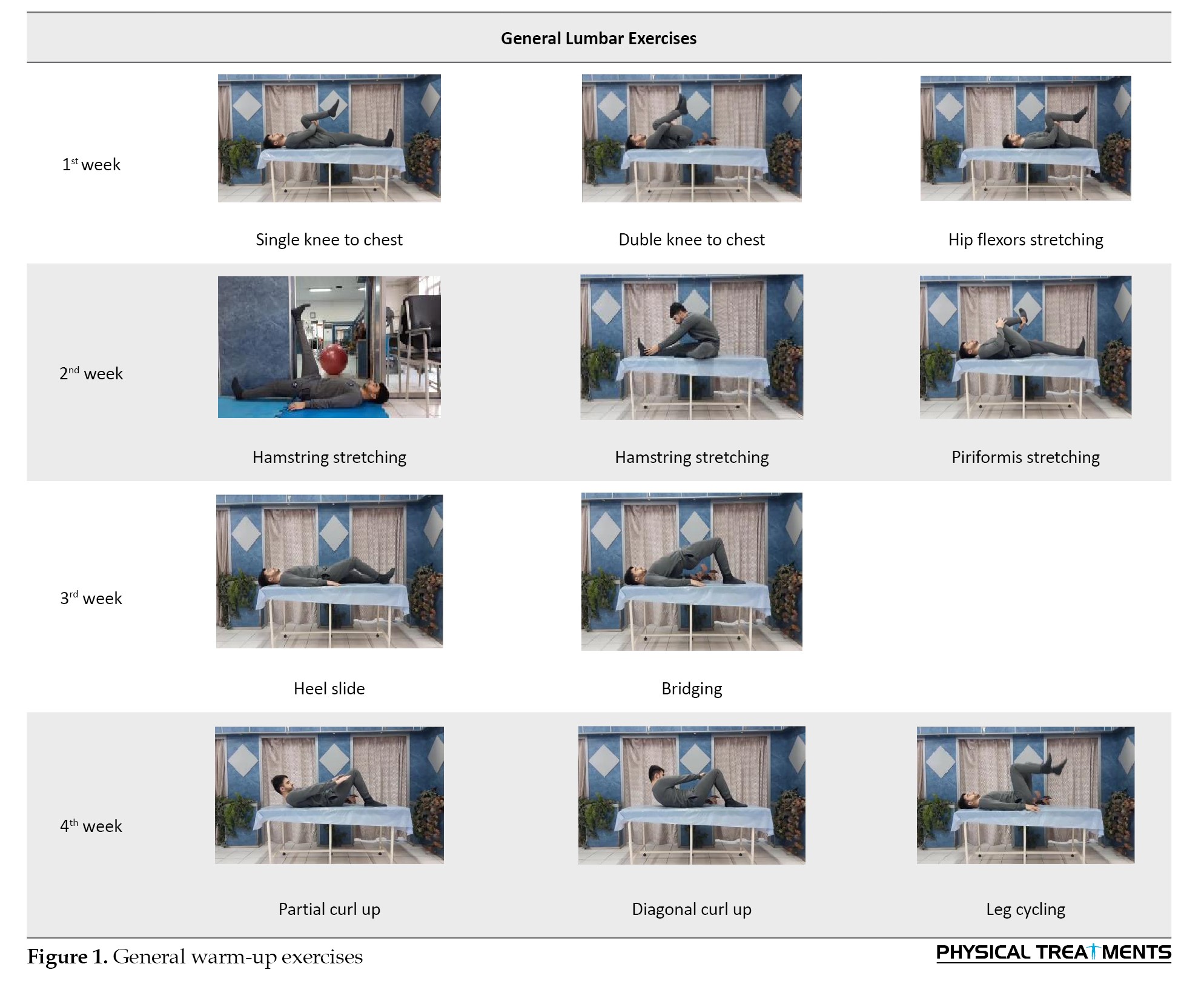
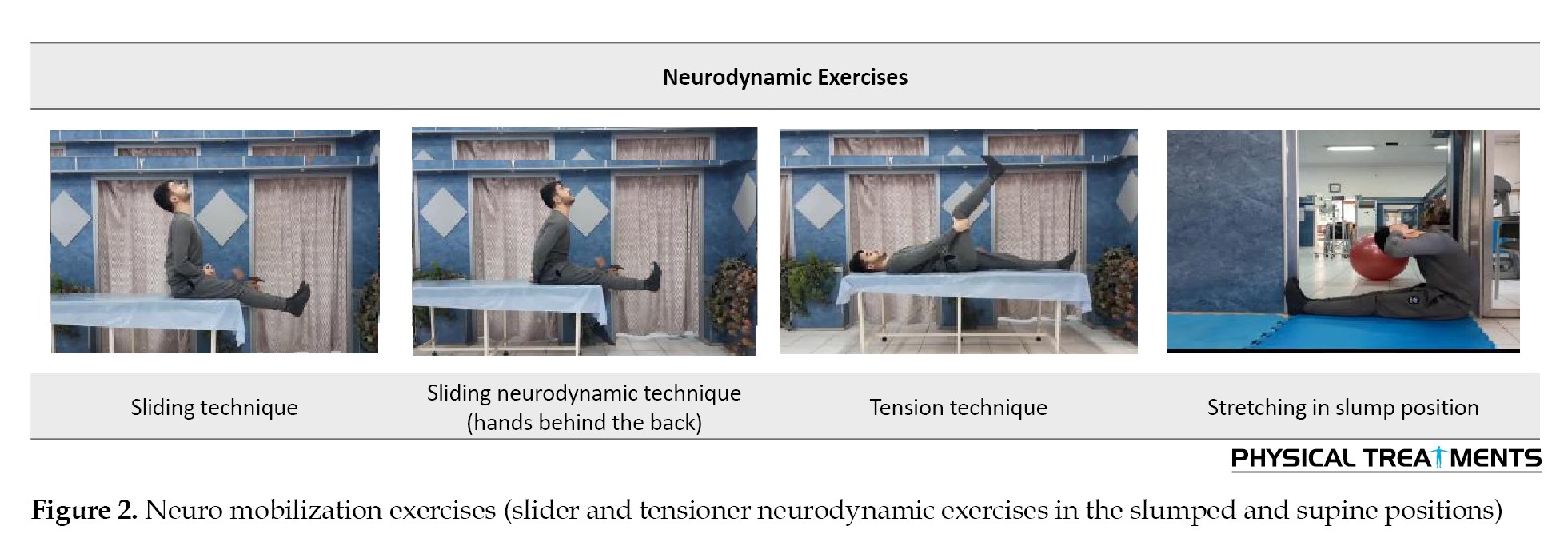
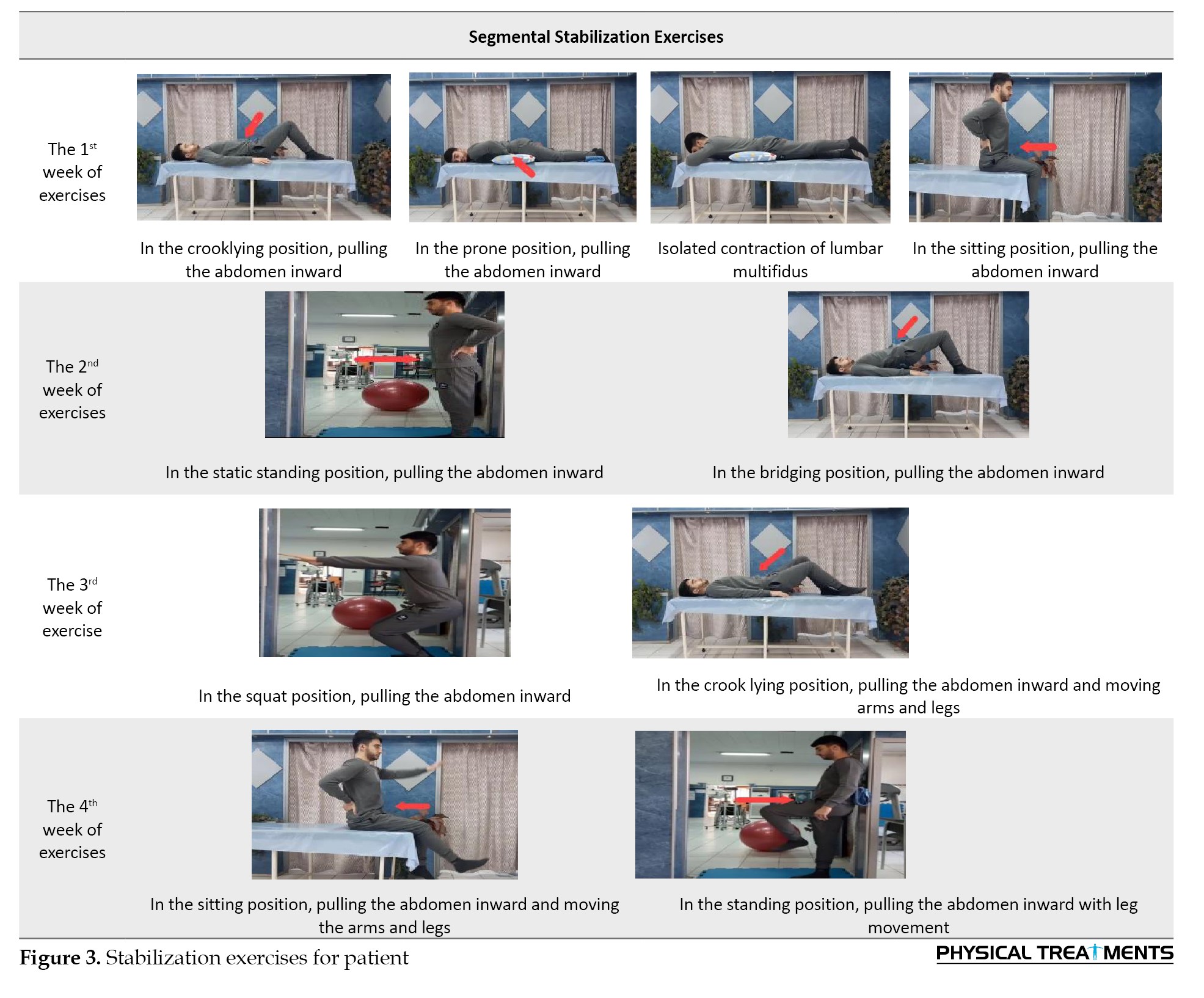
In the initial session following electrotherapy, participants in the application group received exercise therapy utilizing the specialized software developed for this study, whereas the control group engaged in therapeutic exercises as outlined in a home booklet. To replicate and ensure that the control group received a comparable treatment, the structure, content, or progression of the exercises was the same in both groups. These exercise programs provided general warm-up exercises, neuro mobilization exercises (slider and tensioner neurodynamic exercises in the slumped and supine positions), and stabilization exercises to the patients (Figures 1, 2 and 3).
The exact mechanisms underlying non-specific low back pain (LBP) remain unclear. One proposed mechanism for non-specific LBP is the disruption of stability in the lumbar spine [1, 2]. Therapeutic exercise, conducted under the guidance of a therapist, is advised in European guidelines as the primary treatment option for individuals with chronic LBP [3]. If the exercises are performed under supervision, this increases their effectiveness and significantly improves patients’ pain and function [3].
Core stability and neurodynamic techniques (NDT) are common and useful therapeutic exercises for the management of nonspecific LBP [4]. Core stability exercises establish an effective connection between the muscles responsible for stability and the central nervous system; therefore, they prevent recurrent LBP [5]. The effectiveness of stabilization exercises has been approved and reported in previous studies [5-7]. In these exercises, patients receive initial education from a therapist to facilitate muscle recruitment during basic tasks. As the patient’s skills improve, the exercises are advanced to more complex and functional tasks [1, 8]. NDT enhances the biomechanics of nervous systems through joint positioning and movement, thereby facilitating neural tensioning or sliding [9-11]. According to the recent systematic review in patients with LBP, NDT effectively improves function and reduces pain [1].
Core stability and neurodynamic exercises may be used as a unique treatment or as part of a multifaceted treatment program, and they can be prescribed face-to-face under the supervision of a therapist or include an exercise program at home [12, 13]. In LBP patients, the success of exercise therapy is contingent upon the patient’s compliance with the recommended physiotherapy exercises. “Home-based “exercises also play a crucial role. A large percentage of patients do not adhere to the exercises prescribed in physiotherapy [14, 15].
The development of technology has made it possible for health professionals to provide health services in a new and remote way [16]. With the expansion of tele-rehabilitation, the continuity of patient care at home has improved. This allows therapists to provide remote patient care outside clinical settings [16]. Tele-rehabilitation is an opportunity to continue physiotherapy in the patient’s own social and professional environment, which may lead to more functional results. Smartphone applications with home exercise programs are a new way to provide physical therapy that promotes the active participation of the patient during the treatment period. Using technology to provide rehabilitation services has many benefits for both therapists and patients [16].
Chronic LBP has a long treatment process and creates difficult conditions for patients who cannot participate in many physiotherapy sessions. The use of mobile phones and remote rehabilitation applications to instruct exercise therapy for individuals with chronic LBP has demonstrated a beneficial impact on alleviating pain, enhancing quality of life, and increasing patient satisfaction [17]. The rate of patient retention for therapeutic exercises at home has shown a significant improvement with the use of smartphone applications [8, 18, 19].
With the progress of technology and the development of specialized software applications for treating LBP, as well as the recognition of the significance of core stability and neurodynamic exercises in alleviating the symptoms experienced by patients with LBP, there is a notable lack of evidence-based software solutions for LBP treatment. This is particularly true for supervised software applications that incorporate core-stabilizing and neurodynamic exercises tailored for patients with LBP. Consequently, our research team has resolved to create a supervised software application that focuses on core-stabilizing and neurodynamic exercises appropriate for individuals suffering from LBP. Following this, we will conduct a study to assess the impact of this application on patients diagnosed with LBP. This research represents a pilot study aimed at evaluating feasibility, refining protocols, and recognizing potential obstacles prior to the execution of a subsequent study. This study aimed to utilize supervised applications and booklets alongside physical therapy sessions to assess the impact of these two home exercise methods on the symptoms and performance of individuals with non-specific LBP. Based on the findings of the literature review, this study could potentially be the inaugural investigation into the effects of supervised neurodynamic and core stabilization exercises delivered through applications and booklets on patients with non-specific LBP.
Materials and Methods
Study design
This pilot study was designed for a single-blind randomized clinical trial involving two parallel groups to evaluate the effects of a therapeutic exercise program delivered through both application and booklet formats, in conjunction with physical therapy sessions, for patients experiencing non-specific LBP. The study focused on various outcomes, including pain intensity, functional disability, neurodynamic function of the nervous system, neuromuscular control of the back stabilizing muscles, as well as treatment satisfaction and adherence. This study was registered with the Iranian Randomized Clinical Trial (IRCT) and was conducted at the physiotherapy clinic of the Faculty of Rehabilitation Sciences following Ethics Committee Approval from Tabriz University of Medical Sciences. The research commenced in March 2022 and concluded in September 2022.
Participants
Participants (age range: 20-60 years) who were referred to physiotherapy by orthopedic and physical medicine specialists were recruited. Inclusion criteria for participants were mild to moderate back pain (typically, pain intensity ranging from 2 to 6 on the visual analog scale [VAS]) and lower extremity pain for at least the past three months, with an Oswestry disability index score ≥10%. Additionally, the capacity to read Persian, the ability to use an Android smartphone, and willingness to participate in the study were included as criteria for participation in the research [20- 22]. Participants were excluded if they had a history of inflammatory, metabolic, infectious, and malignant spine diseases; osteoporosis; ankylosing spondylitis; vertebral fracture and history of spinal surgery; and any limitation in the range of motion (ROM) of the knee and hip joints. Before entering the study, each participant provided written consent [23-26].
Sample Size
The sample size was established according to the Oswestry functional disability questionnaire, considering α=0.05 and β=0.05 (95% power). According to previous studies, using G.*Power v.3.1.6 software, 10 participants were included in each group. Throughout the research study, three patients from the control group and two patients from the treatment group were excluded due to various problems, such as transportation issues and treatment time conflicts with work. Finally, 20 patients completed the treatment process.
Interventions
Prior to the commencement of the study, patients were assessed regarding pain intensity, functional disability, neurodynamic function of the nervous system, and neuromuscular control of the lumbar stabilizing muscles. Both groups underwent 10 sessions of physical therapy over a period of four weeks (three sessions per week during the initial three weeks and a single session in the fourth week). Each physiotherapy session included 30 minutes of electrotherapy (TENS, hot pack, and US) and 20 minutes of exercise therapy (lumbar stabilization exercises and neurodynamic exercises) [9, 27].
In the initial session following electrotherapy, participants in the application group received exercise therapy utilizing the specialized software developed for this study, whereas the control group engaged in therapeutic exercises as outlined in a home booklet. To replicate and ensure that the control group received a comparable treatment, the structure, content, or progression of the exercises was the same in both groups. These exercise programs provided general warm-up exercises, neuro mobilization exercises (slider and tensioner neurodynamic exercises in the slumped and supine positions), and stabilization exercises to the patients (Figures 1, 2 and 3).
Before the main exercises, the patients were given stretching exercises to warm up. For neurodynamic exercises, 4 exercises were considered, and each exercise was performed in a set of 20 exercises per day. Each stability exercise was performed for 5-10 seconds and 10 repetitions per day. In each physiotherapy session, a new exercise was added to the prescribed exercises so that the patient received all the relevant exercises in 4 weeks.
Patients were evaluated by a physiotherapist in each session, and the possibility of progressing to the next exercises was examined. If clinical symptoms and the patient’s condition permitted, at the end of each session, the exercises specific to that session were taught to patients in both groups and marked in the application or booklet. If there was a problem in performing the exercises at home, it was resolved. Also, patients’ adherence to treatment was assessed using an adherence questionnaire.
In the application group, a software program was installed on their smartphone, which offered the patient a video demonstrating the correct way to perform the exercises. In addition, the software could remind the patient to do the exercises at a certain time. At the end of each session, the exercises specific to that session were taught to the patients of both groups and marked in the application or booklet. Also, if there was a problem in performing the exercises at home, it was addressed. Every day, the patient specified the number of times to perform the exercises in the application. In the application, there was a section called “Sending the daily report”; at the end of that day, the number of exercises performed in this section of the software was written by the patient.
Randomization and masking
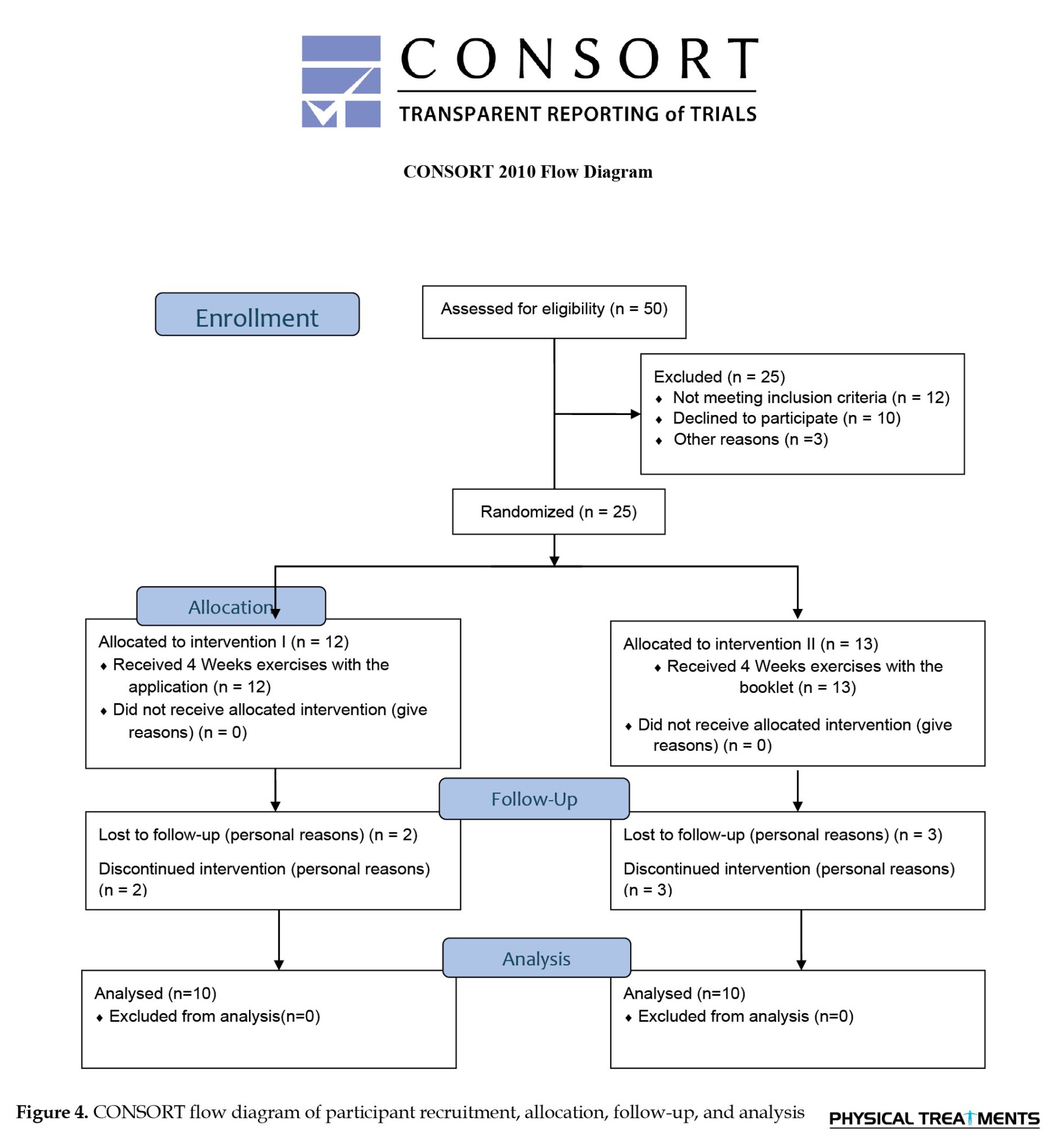
A total of 20 participants took part in the study and were randomly assigned to either the applications group or the control group (Figure 4).
Patients were evaluated by a physiotherapist in each session, and the possibility of progressing to the next exercises was examined. If clinical symptoms and the patient’s condition permitted, at the end of each session, the exercises specific to that session were taught to patients in both groups and marked in the application or booklet. If there was a problem in performing the exercises at home, it was resolved. Also, patients’ adherence to treatment was assessed using an adherence questionnaire.
In the application group, a software program was installed on their smartphone, which offered the patient a video demonstrating the correct way to perform the exercises. In addition, the software could remind the patient to do the exercises at a certain time. At the end of each session, the exercises specific to that session were taught to the patients of both groups and marked in the application or booklet. Also, if there was a problem in performing the exercises at home, it was addressed. Every day, the patient specified the number of times to perform the exercises in the application. In the application, there was a section called “Sending the daily report”; at the end of that day, the number of exercises performed in this section of the software was written by the patient.
Randomization and masking
A total of 20 participants took part in the study and were randomly assigned to either the applications group or the control group (Figure 4).
Four balanced blocks were used for randomization. As each patient entered, an independent researcher selected and opened one of the envelopes. According to the number written in it and the predetermined blocks, the patient was placed in one of the treatment groups. A total of 10 participants were randomly assigned to the applications group, while another 10 were assigned to the control group. The assessor and the person analyzing the results were blind to the subjects’ assignments during the treatment. Given the characteristics of the intervention, the participants were not blinded to the study. During the evaluation process, participants were asked to refrain from disclosing any information that could have indicated their treatment group. This may have minimized bias in the data collection process.
Primary outcome
The main outcome measures included the intensity of LBP and functional disability, which were assessed using the VAS and the Persian version of the Oswestry disability questionnaire. These questionnaires have been validated and are reliable [28, 29].
Secondary outcomes
The secondary outcome measures were single-leg raising (SLR) angle as the lumbar neurodynamic test and double-leg lowering test (DLL) as the lumbar neuromuscular control score. During the SLR test, the patient was positioned supine without a pillow supporting the head. The examiner elevated the patient’s leg while ensuring that the knee remained fully extended. The examiner elevated the patient’s leg until the patient expressed discomfort or cramping in the lumbar spine region or the posterior aspect of the leg. The angle of hip flexion was assessed using a goniometer and documented. Each leg was evaluated separately, with the healthy leg being assessed first [30].
To conduct the DLL test, the patient was positioned supine, and a pressure cuff was inflated to 40 mm-Hg and positioned beneath the lumbar spine. The examiner raised both legs of the patient to a 90-degree angle while keeping the lumbar spine on the floor. The patient was asked to maintain the pressure of the cuff by contracting the lower abdominal muscles and lowering both legs. If the pressure on the cuff decreased, the test was halted, and the angle of the hip joint in relation to the ground was assessed using a goniometer. All outcomes have been measured in the first and last sessions [31].
The valid and reliable Persian versions of patient “satisfaction” and “exercise adherence” questionnaires were used to measure the amount of patient satisfaction and adherence of participants in both groups [32, 33]. Patient’s satisfaction and adherence were collected in the last intervention treatment.
Statistical analysis
SPSS software, version 29.1.1 was used to conduct all statistical analyses. The Kolmogorov-Smirnov test was employed to assess the normality of the data distribution. A paired t-test was applied for the intra-group analysis of variables exhibiting a normal distribution. For variables lacking a normal distribution within the group, the non-parametric Wilcoxon test was utilized. The independent t-test was conducted for the intergroup analysis of variables with a normal distribution. In contrast, the Mann-Whitney test was used for the intergroup analysis of variables that did not conform to a normal distribution.
Results
Kolmogorov-Smirnov test showed that two variables (Oswestry disability questionnaire criteria and double leg lowering) have a normal distribution, and the other variables do not have a normal distribution. Table 1 presents demographic information of age, height, and weight variables (Mean±SD) related to the members of both groups.
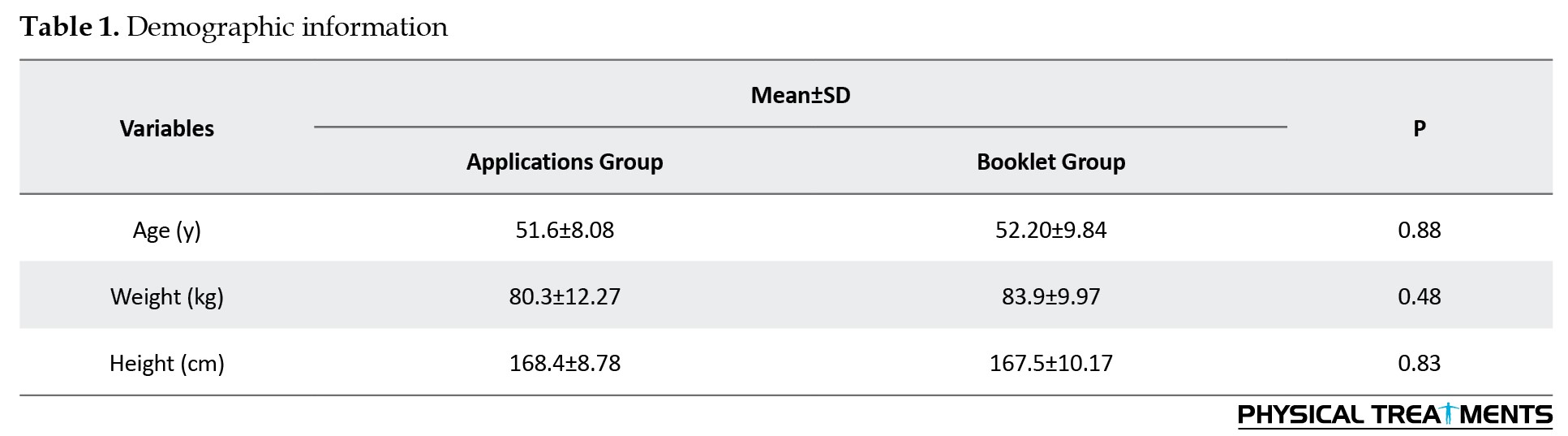
Table 2 presents variables associated with pain intensity, functional disability, neurodynamic function of the nervous system, and neuromuscular control of the back-stabilizing muscles, both prior to and following treatment.
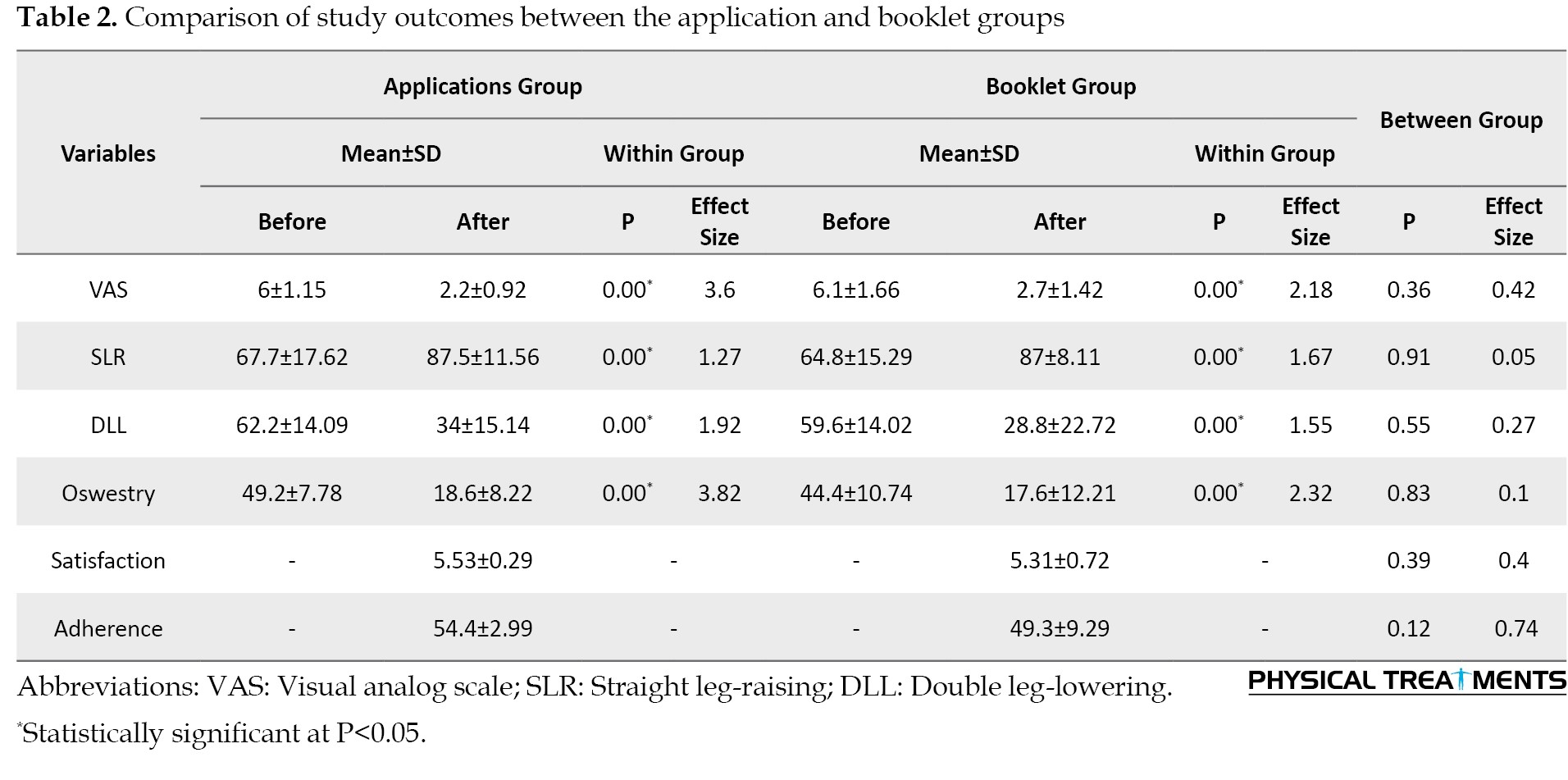
Additionally, Table 2 includes satisfaction with the treatment and adherence to the treatment after its completion.
Prior to the intervention, both groups exhibited statistical similarity regarding background variables (age, weight, and height) and research variables (VAS, SLR, DLL, and Oswestry disability index scores) (P<0.05).
No statistically significant difference was observed in the background variables and the study variables prior to the intervention. Additionally, the variables did not exhibit significant differences (P>0.05) in the between-group comparison following the intervention. The patients in both groups reported a high level of satisfaction with the treatment received (92% in the applications group versus 88% in the booklet group), and the adherence rates among subjects in both groups were also elevated (85% in the applications group compared to 77% in the booklet group). Nevertheless, there was no significant difference in satisfaction and adherence levels between the applications and booklet groups (P>0.05). The results from the intra-group comparison indicated that the intervention had a significant impact on all research variables in both groups (P˂0.05).
Discussion
Recently, smartphones have become common in the field of health. Advances in technology, especially smartphone applications, have created a suitable environment for health professionals to communicate and treat different groups of patients [34]. This technology reduces costs and time for the patient and increases their compliance with exercise programs [35]. This method gives the patient a sense of personal independence and empowerment [36]. Although there are several studies on the use of applications in treatment and improving communication between patients and physiotherapists, studies on specific patients and specific exercises are limited [37, 38]. This was the first study to apply neurodynamic exercises through an app in LBP patients.
According to the results of this study, significant improvements in disability and pain were found in both groups; therefore, using a mobile application to educate core stabilization and neurodynamic exercises was as effective as the booklet method. Stabilization exercise education takes time and energy from physiotherapists, whereas the patient’s correct execution of exercises has a great impact on the effectiveness of the exercises. The patient’s relationship with the therapist is a strong predictor of adherence during treatment, and correct, effective communication with health therapists improves treatment outcomes. Physiotherapy exercises prescribed through smartphone technology may facilitate this communication by increasing patient participation in specific treatment programs, with greater learning and memorization capabilities.
Our findings align with those of Hou et al. (2019), who examined the impact of utilizing applications versus booklets over a brief duration. Their study did not reveal a significant difference between the groups regarding the enhancement of pain intensity and functional disability [39]. The findings of our research align with those of Hou et al. (2019), who examined the impact of utilizing applications in conjunction with standard care treatment. Their study demonstrated that, at the 24-month mark, the applications group experienced improvements in pain severity and functional disability compared to the usual care group. However, it is important to note that this difference between the two groups was not statistically significant in the short term [39]. In our study, the absence of a notable difference in pain intensity and functional disability between the two groups could also be attributed to the relatively brief period of exercise utilization.
In the research conducted by Cui et al. (2023), the effects of a digital care program compared to conventional physiotherapy on patients with chronic back pain were examined. Both groups exhibited significant improvements in disability and pain, with no statistically significant differences observed [40]. Furthermore, in a study by Mbada et al. (2019), the impact of face-to-face McKenzie therapy, when compared to executing McKenzie exercises with applications, did not reveal a notable difference in pain relief [41]. Also, in the study by Amorim et al. (2019), although pain and disability improved more in the application group, this difference was not statistically significant [42].
In other studies, contradictory results have been obtained compared to the present study. In the study of Lopez-Marcos et al. (2024), McGill’s exercises within the application group demonstrated superior outcomes compared to in-person interactions [13]. In the study of Özden et al. (2022), after 8 weeks of exercise in both the application and booklet groups, improvement in pain intensity and functional disability was observed [43]. This improvement was statistically greater in the application group. In another study conducted by Chhabra et al. (2018), participants in the application group experienced statistically better recovery [44]. Also, in the study by Yang et al. (2018), individuals in the physiotherapy group who engaged in exercise through applications demonstrated a notable enhancement in pain intensity and functional disability when compared to those receiving standard physical therapy [45]. It should be mentioned that existing software does not consider specific back exercises, and general exercises are provided to patients. In addition, the software designed in this study was also capable of further monitoring the patient’s exercise performance.
In this study, to ensure patients benefited from the positive effects of all therapeutic exercises, the types of exercises performed in both groups were similar. For this reason, although both groups demonstrated a satisfactory improvement relative to their condition prior to treatment, in most instances, no significant difference was noted between the two groups concerning the measured variables. In future studies, it is suggested that the application or booklet be considered only for the treatment group, and the control group should learn the exercises in the physical therapy center, so that we can determine the main effect of using tools to prepare home exercises.
In individuals with chronic conditions, compliance with treatment is regarded as a crucial element for long-term success. The findings indicated that both cohorts expressed a high level of satisfaction with the treatment and demonstrated strong adherence to the home exercise regimen, with no notable differences observed between the two groups. High adherence to treatment indicates high acceptance of home exercise therapy. Similarly, high levels of satisfaction by patients in both groups further strengthened participant acceptance. This was in line with Cui’s study, which found that patients showed high adherence to the digital care program [40].
The absence of automated monitoring of home exercises within the functional groups can be identified as a limitation of the current study. This limitation was slightly removed by considering the “sending the daily report” section in the applications. However, only a few patients in this group submitted their daily reports irregularly. Another problem in this research was the lack of an IOS version for this software. In addition, because the software required technology literacy, we had limitations in enrolling patients in this group. Another limitation of this study is the number of participants. A randomized clinical trial with a large sample size is needed to better substantiate the results obtained.
Conclusion
Using a mobile application, along with the exercise booklet, to deliver stabilization and neurodynamic exercises at home for patients with non-specific chronic back pain has notably improved symptoms, leading to high patient satisfaction and adherence to the treatment regimen. Consequently, the mobile application was as effective in facilitating patient recovery as the exercise booklet.
Ethical Considerations
Compliance with ethical guidelines
This study was registered with the Iranian Randomized Clinical Trial (IRCT), Tehran, Iran (Code: IRCT20210316050727N2) and was conducted at the physiotherapy clinic of the Faculty of Rehabilitation Sciences following Ethics Committee Approval from Tabriz University of Medical Sciences, Tabriz, Iran (Code: IR.TBZMED.REC.1400.126).
Funding
This study was supported by the Faculty of Rehabilitation at Tabriz University of Medical Sciences, Tabriz, Iran.
Authors' contributions
Study design and data collection: Hadi Khani Khosrowshahi, Abbas Soltani, Taha Samad Soltani; Data analysis: Zahra Salahzadeh, Jalal Ahadi, and Zahra Chakeri; Writing: Hadi Khani Khosrowshahi, Zahra Salahzadeh, Jalal Ahadi, Zahra Chakeri.
Conflict of interest
The authors declared no conflict of interest.
Acknowledgments
The authors would like to express their sincere gratitude to the Faculty of Rehabilitation at Tabriz University of Medical Sciences for its valuable support in conducting this study.
Primary outcome
The main outcome measures included the intensity of LBP and functional disability, which were assessed using the VAS and the Persian version of the Oswestry disability questionnaire. These questionnaires have been validated and are reliable [28, 29].
Secondary outcomes
The secondary outcome measures were single-leg raising (SLR) angle as the lumbar neurodynamic test and double-leg lowering test (DLL) as the lumbar neuromuscular control score. During the SLR test, the patient was positioned supine without a pillow supporting the head. The examiner elevated the patient’s leg while ensuring that the knee remained fully extended. The examiner elevated the patient’s leg until the patient expressed discomfort or cramping in the lumbar spine region or the posterior aspect of the leg. The angle of hip flexion was assessed using a goniometer and documented. Each leg was evaluated separately, with the healthy leg being assessed first [30].
To conduct the DLL test, the patient was positioned supine, and a pressure cuff was inflated to 40 mm-Hg and positioned beneath the lumbar spine. The examiner raised both legs of the patient to a 90-degree angle while keeping the lumbar spine on the floor. The patient was asked to maintain the pressure of the cuff by contracting the lower abdominal muscles and lowering both legs. If the pressure on the cuff decreased, the test was halted, and the angle of the hip joint in relation to the ground was assessed using a goniometer. All outcomes have been measured in the first and last sessions [31].
The valid and reliable Persian versions of patient “satisfaction” and “exercise adherence” questionnaires were used to measure the amount of patient satisfaction and adherence of participants in both groups [32, 33]. Patient’s satisfaction and adherence were collected in the last intervention treatment.
Statistical analysis
SPSS software, version 29.1.1 was used to conduct all statistical analyses. The Kolmogorov-Smirnov test was employed to assess the normality of the data distribution. A paired t-test was applied for the intra-group analysis of variables exhibiting a normal distribution. For variables lacking a normal distribution within the group, the non-parametric Wilcoxon test was utilized. The independent t-test was conducted for the intergroup analysis of variables with a normal distribution. In contrast, the Mann-Whitney test was used for the intergroup analysis of variables that did not conform to a normal distribution.
Results
Kolmogorov-Smirnov test showed that two variables (Oswestry disability questionnaire criteria and double leg lowering) have a normal distribution, and the other variables do not have a normal distribution. Table 1 presents demographic information of age, height, and weight variables (Mean±SD) related to the members of both groups.

Table 2 presents variables associated with pain intensity, functional disability, neurodynamic function of the nervous system, and neuromuscular control of the back-stabilizing muscles, both prior to and following treatment.
Additionally, Table 2 includes satisfaction with the treatment and adherence to the treatment after its completion.
Prior to the intervention, both groups exhibited statistical similarity regarding background variables (age, weight, and height) and research variables (VAS, SLR, DLL, and Oswestry disability index scores) (P<0.05).
No statistically significant difference was observed in the background variables and the study variables prior to the intervention. Additionally, the variables did not exhibit significant differences (P>0.05) in the between-group comparison following the intervention. The patients in both groups reported a high level of satisfaction with the treatment received (92% in the applications group versus 88% in the booklet group), and the adherence rates among subjects in both groups were also elevated (85% in the applications group compared to 77% in the booklet group). Nevertheless, there was no significant difference in satisfaction and adherence levels between the applications and booklet groups (P>0.05). The results from the intra-group comparison indicated that the intervention had a significant impact on all research variables in both groups (P˂0.05).
Discussion
Recently, smartphones have become common in the field of health. Advances in technology, especially smartphone applications, have created a suitable environment for health professionals to communicate and treat different groups of patients [34]. This technology reduces costs and time for the patient and increases their compliance with exercise programs [35]. This method gives the patient a sense of personal independence and empowerment [36]. Although there are several studies on the use of applications in treatment and improving communication between patients and physiotherapists, studies on specific patients and specific exercises are limited [37, 38]. This was the first study to apply neurodynamic exercises through an app in LBP patients.
According to the results of this study, significant improvements in disability and pain were found in both groups; therefore, using a mobile application to educate core stabilization and neurodynamic exercises was as effective as the booklet method. Stabilization exercise education takes time and energy from physiotherapists, whereas the patient’s correct execution of exercises has a great impact on the effectiveness of the exercises. The patient’s relationship with the therapist is a strong predictor of adherence during treatment, and correct, effective communication with health therapists improves treatment outcomes. Physiotherapy exercises prescribed through smartphone technology may facilitate this communication by increasing patient participation in specific treatment programs, with greater learning and memorization capabilities.
Our findings align with those of Hou et al. (2019), who examined the impact of utilizing applications versus booklets over a brief duration. Their study did not reveal a significant difference between the groups regarding the enhancement of pain intensity and functional disability [39]. The findings of our research align with those of Hou et al. (2019), who examined the impact of utilizing applications in conjunction with standard care treatment. Their study demonstrated that, at the 24-month mark, the applications group experienced improvements in pain severity and functional disability compared to the usual care group. However, it is important to note that this difference between the two groups was not statistically significant in the short term [39]. In our study, the absence of a notable difference in pain intensity and functional disability between the two groups could also be attributed to the relatively brief period of exercise utilization.
In the research conducted by Cui et al. (2023), the effects of a digital care program compared to conventional physiotherapy on patients with chronic back pain were examined. Both groups exhibited significant improvements in disability and pain, with no statistically significant differences observed [40]. Furthermore, in a study by Mbada et al. (2019), the impact of face-to-face McKenzie therapy, when compared to executing McKenzie exercises with applications, did not reveal a notable difference in pain relief [41]. Also, in the study by Amorim et al. (2019), although pain and disability improved more in the application group, this difference was not statistically significant [42].
In other studies, contradictory results have been obtained compared to the present study. In the study of Lopez-Marcos et al. (2024), McGill’s exercises within the application group demonstrated superior outcomes compared to in-person interactions [13]. In the study of Özden et al. (2022), after 8 weeks of exercise in both the application and booklet groups, improvement in pain intensity and functional disability was observed [43]. This improvement was statistically greater in the application group. In another study conducted by Chhabra et al. (2018), participants in the application group experienced statistically better recovery [44]. Also, in the study by Yang et al. (2018), individuals in the physiotherapy group who engaged in exercise through applications demonstrated a notable enhancement in pain intensity and functional disability when compared to those receiving standard physical therapy [45]. It should be mentioned that existing software does not consider specific back exercises, and general exercises are provided to patients. In addition, the software designed in this study was also capable of further monitoring the patient’s exercise performance.
In this study, to ensure patients benefited from the positive effects of all therapeutic exercises, the types of exercises performed in both groups were similar. For this reason, although both groups demonstrated a satisfactory improvement relative to their condition prior to treatment, in most instances, no significant difference was noted between the two groups concerning the measured variables. In future studies, it is suggested that the application or booklet be considered only for the treatment group, and the control group should learn the exercises in the physical therapy center, so that we can determine the main effect of using tools to prepare home exercises.
In individuals with chronic conditions, compliance with treatment is regarded as a crucial element for long-term success. The findings indicated that both cohorts expressed a high level of satisfaction with the treatment and demonstrated strong adherence to the home exercise regimen, with no notable differences observed between the two groups. High adherence to treatment indicates high acceptance of home exercise therapy. Similarly, high levels of satisfaction by patients in both groups further strengthened participant acceptance. This was in line with Cui’s study, which found that patients showed high adherence to the digital care program [40].
The absence of automated monitoring of home exercises within the functional groups can be identified as a limitation of the current study. This limitation was slightly removed by considering the “sending the daily report” section in the applications. However, only a few patients in this group submitted their daily reports irregularly. Another problem in this research was the lack of an IOS version for this software. In addition, because the software required technology literacy, we had limitations in enrolling patients in this group. Another limitation of this study is the number of participants. A randomized clinical trial with a large sample size is needed to better substantiate the results obtained.
Conclusion
Using a mobile application, along with the exercise booklet, to deliver stabilization and neurodynamic exercises at home for patients with non-specific chronic back pain has notably improved symptoms, leading to high patient satisfaction and adherence to the treatment regimen. Consequently, the mobile application was as effective in facilitating patient recovery as the exercise booklet.
Ethical Considerations
Compliance with ethical guidelines
This study was registered with the Iranian Randomized Clinical Trial (IRCT), Tehran, Iran (Code: IRCT20210316050727N2) and was conducted at the physiotherapy clinic of the Faculty of Rehabilitation Sciences following Ethics Committee Approval from Tabriz University of Medical Sciences, Tabriz, Iran (Code: IR.TBZMED.REC.1400.126).
Funding
This study was supported by the Faculty of Rehabilitation at Tabriz University of Medical Sciences, Tabriz, Iran.
Authors' contributions
Study design and data collection: Hadi Khani Khosrowshahi, Abbas Soltani, Taha Samad Soltani; Data analysis: Zahra Salahzadeh, Jalal Ahadi, and Zahra Chakeri; Writing: Hadi Khani Khosrowshahi, Zahra Salahzadeh, Jalal Ahadi, Zahra Chakeri.
Conflict of interest
The authors declared no conflict of interest.
Acknowledgments
The authors would like to express their sincere gratitude to the Faculty of Rehabilitation at Tabriz University of Medical Sciences for its valuable support in conducting this study.
References
- Hayden JA, Ellis J, Ogilvie R, Stewart SA, Bagg MK, Stanojevic S, et al. Some types of exercise are more effective than others in people with chronic low back pain: A network meta-analysis. Journal of Physiotherapy. 2021; 67(4):252-62. [DOI:10.1016/j.jphys.2021.09.004] [PMID]
- Frizziero A, Pellizzon G, Vittadini F, Bigliardi D, Costantino C. Efficacy of core stability in non-specific chronic low back pain. Journal of Functional Morphology and Kinesiology. 2021; 6(2):37. [DOI:10.3390/jfmk6020037] [PMID]
- Nicol V, Verdaguer C, Daste C, Bisseriex H, Lapeyre É, Lefèvre-Colau MM, et al. Chronic low back pain: A narrative review of recent international guidelines for diagnosis and conservative treatment. Journal of Clinical Medicine. 2023; 12(4):1685. [DOI:10.3390/jcm12041685] [PMID]
- Comerford JA. Core stabilization exercises for managing non-specific low back pain in adults: A narrative review of their efficacy alone or with multidisciplinary approaches. Chiropractic Journal of Australia (Online). 2023; 50(1):29-51. [Link]
- Skundric G, Vukicevic V, Lukic N. Effects of core stability exercises, lumbar lordosis and low-back pain: A systematic review. Journal of Anthropology of Sport and Physical Education. 2021; 5(1):17-23. [DOI:10.26773/jaspe.210104]
- Smith BE, Littlewood C, May S. An update of stabilisation exercises for low back pain: A systematic review with meta-analysis. BMC Musculoskeletal Disorders. 2014; 15:416. [DOI:10.1186/1471-2474-15-416] [PMID]
- Lee HS, Kim DJ, Oh Y, Min K, Ryu JS. The effect of individualized gradable stabilization exercises in patients with chronic low back pain: Case-control study. Journal of Back and Musculoskeletal Rehabilitation. 2016; 29(3):603-10. [DOI:10.3233/BMR-160724] [PMID]
- Alhakami AM, Davis S, Qasheesh M, Shaphe A, Chahal A. Effects of McKenzie and stabilization exercises in reducing pain intensity and functional disability in individuals with nonspecific chronic low back pain: A systematic review. Journal of Physical Therapy Science. 2019; 31(7):590-7. [DOI:10.1589/jpts.31.590] [PMID]
- Efstathiou MA, Stefanakis M, Savva C, Giakas G. Effectiveness of neural mobilization in patients with spinal radiculopathy: A critical review. Journal of Bodywork and Movement Therapies. 2015; 19(2):205-12. [DOI:10.1016/j.jbmt.2014.08.006] [PMID]
- Ellis R, Carta G, Andrade RJ, Coppieters MW. Neurodynamics: Is tension contentious? Journal of Manual & Manipulative Therapy. 2022; 30(1):3-12. [DOI:10.1080/10669817.2021.2001736] [PMID]
- Gonzalez AC, Berenguer SB, Manas JML, Martin-Pintado-Zugasti A. Validation of a sham novel neural mobilization technique in patients with non-specific low back pain: A randomized, placebo-controlled trial. Musculoskeletal Science and Practice. 2021; 53:102378. [DOI:10.1016/j.msksp.2021.102378] [PMID]
- Jiang S, Xiang J, Gao X, Guo K, Liu B. The comparison of telerehabilitation and face-to-face rehabilitation after total knee arthroplasty: A systematic review and meta-analysis. Journal of Telemedicine and Telecare. 2018; 24(4):257-62. [DOI:10.1177/1357633X16686748] [PMID]
- López-Marcos JJ, Díaz-Arribas MJ, Valera-Calero JA, Navarro-Santana MJ, Izquierdo-García J, Ortiz-Gutiérrez RM, et al. The added value of face-to-face supervision to a therapeutic exercise-based app in the management of patients with chronic low back pain: A randomized clinical trial. Sensors. 2024; 24(2):567. [DOI:10.3390/s24020567] [PMID]
- van Koppen B, Zandwijk P, de Vries J, van Mameren H, de Bie R. Adherence to home-based exercises and/or activity advice in low back pain patients: A systematic review. European Journal of Physiotherapy. 2022; 24(4):227-42. [DOI:10.1080/21679169.2020.1846783]
- Peacock M, Douglas S, Nair P. Neural mobilization in low back and radicular pain: A systematic review. Journal of Manual & Manipulative Therapy. 2023; 31(1):4-12. [DOI:10.1080/10669817.2022.2065599] [PMID]
- Seron P, Oliveros MJ, Gutierrez-Arias R, Fuentes-Aspe R, Torres-Castro RC, Merino-Osorio C, et al. Effectiveness of telerehabilitation in physical therapy: A rapid overview. Physical Therapy. 2021; 101(6):pzab053. [DOI:10.1093/ptj/pzab053] [PMID]
- Tabacof L, Baker TS, Durbin JR, Desai V, Zeng Q, Sahasrabudhe A, et al. Telehealth treatment for nonspecific low back pain: A review of the current state in mobile health. PM&R. 2022; 14(9):1086-98. [DOI:10.1002/pmrj.12738] [PMID]
- Kang TW, Lee JH, Park DH, Cynn HS. Effect of 6-week lumbar stabilization exercise performed on stable versus unstable surfaces in automobile assembly workers with mechanical chronic low back pain. Work. 2018; 60(3):445-54. [DOI:10.3233/WOR-182743] [PMID]
- Jin J, Sklar GE, Min Sen Oh V, Chuen Li S. Factors affecting therapeutic compliance: A review from the patient’s perspective. Therapeutics and Clinical Risk Management. 2008; 4(1):269-86. [DOI:10.2147/TCRM.S1458] [PMID]
- Ahmed N, Tufel S, Khan MH, Khan PB. Effectiveness of neural mobilization in the management of sciatica. Journal of Musculoskeletal Research. 2013; 16(3):1350012-1. [DOI:10.1142/S0218957713500127]
- Akbar A, Zainuddin R. Application of William’s Flexion Exercise in Patients with Low Back Pain Problems: A Literature Review. Journal La Medihealtico. 2020; 1(3):9-14. [DOI:10.37899/journallamedihealtico.v1i3.122]
- Palos GR, Mendoza TR, Mobley GM, Cantor SB, Cleeland CS. Asking the community about cutpoints used to describe mild, moderate, and severe pain. The Journal of Pain. 2006; 7(1):49-56. [DOI:10.1016/j.jpain.2005.07.012] [PMID]
- Akhtar MW, Karimi H, Gilani SA. Effectiveness of core stabilization exercises and routine exercise therapy in management of pain in chronic non-specific low back pain: A randomized controlled clinical trial. Pakistan Journal of Medical Sciences. 2017; 33(4):1002-6. [DOI:10.12669/pjms.334.12664] [PMID]
- Bagheri R, Parhampour B, Pourahmadi M, Fazeli SH, Takamjani IE, Akbari M, et al. The effect of core stabilization exercises on trunk-pelvis three-dimensional kinematics during gait in non-specific chronic low back pain. Spine. 2019; 44(13):927-36. [DOI:10.1097/BRS.0000000000002981] [PMID]
- Bhadauria EA, Gurudut P. Comparative effectiveness of lumbar stabilization, dynamic strengthening, and Pilates on chronic low back pain: Randomized clinical trial. Journal of Exercise Rehabilitation. 2017; 13(4):477-85. [DOI:10.12965/jer.1734972.486] [PMID]
- Cleland JA, Childs JD, Palmer JA, Eberhart S. Slump stretching in the management of non-radicular low back pain: A pilot clinical trial. Manual Therapy. 2006; 11(4):279-86. [DOI:10.1016/j.math.2005.07.002] [PMID]
- Richardson C, Hodges P, Hides J. Therapeutic exercise for lumbopelvic stabilization. Edinburgh: Churchill Livingstone; 2004. [Link]
- Akbari H, Ghasemi M, Yegani T, Fesharaki MG, Saraei M, Barsam Y, et al. Million visual analogue scale questionnaire: Validation of the Persian version. Asian Spine Journal. 2018; 13(2):242-7. [DOI:10.31616/asj.2018.0223] [PMID]
- Mousavi SJ, Parnianpour M, Mehdian H, Montazeri A, Mobini B. The Oswestry disability index, the Roland-Morris disability questionnaire, and the Quebec back pain disability scale: Translation and validation studies of the Iranian versions. Spine. 2006; 31(14):E454-9. [DOI:10.1097/01.brs.0000222141.61424.f7] [PMID]
- Nee RJ, Coppieters MW, Boyd BS. Reliability of the straight leg raise test for suspected lumbar radicular pain: A systematic review with meta-analysis. Musculoskeletal Science and Practice. 2022; 59:102529. [DOI:10.1016/j.msksp.2022.102529] [PMID]
- Kessler RM, Hertling D. Management of common musculoskeletal disorders: Physical therapy principles and methods. Philadelphia: Harper & Row; 1983. [Link]
- Mosallanezhad Z, Abdolalizadeh M, Salavati M, Saeedi A, Mohammadi J, Ehsani F. Translation, cross-cultural adaptation, reliability and construct validation of patient satisfaction with the physical therapy questionnaire in Persian. Middle East Journal of Rehabilitation and Health. 2019; 6(1):e83609. [DOI:10.5812/mejrh.83609]
- Ghaderi F, Amirshakeri B, Adigozali, H, Havaei N. Validation of the Persian version of the exercise adherence rating scale in Iranian population: A methodological study. Middle East Journal of Rehabilitation and Health Studies. 2023; 10(3):e133898. [DOI:10.5812/mejrh-133898]
- Mosa AS, Yoo I, Sheets L. A systematic review of healthcare applications for smartphones. BMC Medical Informatics and Decision Making. 2012; 12:67. [DOI:10.1186/1472-6947-12-67] [PMID]
- Vellata C, Belli S, Balsamo F, Giordano A, Colombo R, Maggioni G. Effectiveness of telerehabilitation on motor impairments, non-motor symptoms and compliance in patients with Parkinson’s disease: a systematic review. Frontiers in Neurology. 2021; 12:627999. [DOI:10.3389/fneur.2021.627999] [PMID]
- Matamala-Gomez M, Maisto M, Montana JI, Mavrodiev PA, Baglio F, Rossetto F, et al. The role of engagement in teleneurorehabilitation: A systematic review. Frontiers in Neurology. 2020; 11:354. [DOI:10.3389/fneur.2020.00354] [PMID]
- Marwaa MN, Kristensen HK, Guidetti S, Ytterberg C. Physiotherapists’ and occupational therapists’ perspectives on information and communication technology in stroke rehabilitation. Plos One. 2020; 15(8):e0236831. [DOI:10.1371/journal.pone.0236831] [PMID]
- Lawford BJ, Delany C, Bennell KL, Hinman RS. “I was really sceptical. But it worked really well”: A qualitative study of patient perceptions of telephone-delivered exercise therapy by physiotherapists for people with knee osteoarthritis. Osteoarthritis and Cartilage. 2018; 26(6):741-50. [DOI:10.1016/j.joca.2018.02.909] [PMID]
- Hou J, Yang R, Yang Y, Tang Y, Deng H, Chen Z, et al. The effectiveness and safety of utilizing mobile phone-based programs for rehabilitation after lumbar spinal surgery: Multicenter, prospective randomized controlled trial. JMIR mHealth and uHealth. 2019; 7(2):e10201. [DOI:10.2196/10201] [PMID]
- Cui D, Janela D, Costa F, Molinos M, Areias AC, Moulder RG, et al. Randomized-controlled trial assessing a digital care program versus conventional physiotherapy for chronic low back pain. NPJ Digital Medicine. 2023; 6(1):121. [DOI:10.1038/s41746-023-00870-3] [PMID]
- Mbada CE, Olaoye MI, Dada OO, Ayanniyi O, Johnson OE, Odole AC, et al. Comparative efficacy of clinic-based and telerehabilitation application of Mckenzie therapy in chronic low-back pain. International Journal of Telerehabilitation. 2019; 11(1):41-58. [DOI:10.5195/ijt.2019.6260] [PMID]
- Amorim AB, Pappas E, Simic M, Ferreira ML, Jennings M, Tiedemann A, et al. Integrating Mobile-health, health coaching, and physical activity to reduce the burden of chronic low back pain trial (IMPACT): A pilot randomised controlled trial. BMC Musculoskeletal Disorders. 2019; 20(1):71.[DOI:10.1186/s12891-019-2454-y] [PMID]
- Özden F, Sarı Z, Karaman ÖN, Aydoğmuş H. The effect of video exercise-based telerehabilitation on clinical outcomes, expectation, satisfaction, and motivation in patients with chronic low back pain. Irish Journal of Medical Science (1971-). 2022; 191(3):1469. [PMID]
- Chhabra H, Sharma S, Verma S. Smartphone app in self-management of chronic low back pain: A randomized controlled trial. European Spine Journal. 2018; 27(11):2862-74. [DOI:10.1007/s00586-018-5788-5] [PMID]
- Yang J, Wei Q, Ge Y, Meng L, Zhao M. Smartphone‐based remote self‐management of chronic low back pain: A preliminary study. Journal of Healthcare Engineering. 2019; 2019:4632946. [DOI:10.1155/2019/4632946] [PMID]
Type of Study: Research |
Subject:
General
Received: 2024/10/21 | Accepted: 2025/10/25 | Published: 2026/06/23
Received: 2024/10/21 | Accepted: 2025/10/25 | Published: 2026/06/23
Send email to the article author
| Rights and permissions | |
 |
This work is licensed under a Creative Commons Attribution-NonCommercial 4.0 International License. |

This is an open access article distributed under the terms of the Creative Commons Attribution-NonCommercial 4.0 (CC-By-NC 4.0), which permits use, distribution, and reproduction in any medium, provided the original work is properly cited and is not used for commercial purposes.
Contact Information