Mon, Oct 19, 2026
Volume 16, Issue 3 (Summer 2026)
PTJ 2026, 16(3): 255-262 |
Back to browse issues page



Download citation:
BibTeX | RIS | EndNote | Medlars | ProCite | Reference Manager | RefWorks
Send citation to:


BibTeX | RIS | EndNote | Medlars | ProCite | Reference Manager | RefWorks
Send citation to:
Rahimi M, Nasiri F, Gharakhanloo A R. Comparison of the Effect of Core Stability and Dynamic Neuromuscular Stabilization Training on Knee Valgus and Motor Function in Students. PTJ 2026; 16 (3) :255-262
URL: http://ptj.uswr.ac.ir/article-1-628-en.html
URL: http://ptj.uswr.ac.ir/article-1-628-en.html

1- Department of Corrective Exercises and Sport Injuries, Faculty of Sport Sciences, Shahid Rajaee Teacher Training University, Tehran, Iran.
2- Department of Physical Education, SR.C., Islamic Azad University, Tehran, Iran.
2- Department of Physical Education, SR.C., Islamic Azad University, Tehran, Iran.
Keywords: Core stability training, Dynamic neuromuscular training, Knee valgus, Functional movement screening (FMS) test
Full-Text [PDF 909 kb]
(1404 Downloads)
| Abstract (HTML) (2970 Views)
Full-Text: (142 Views)
Introduction
When the foot is aligned straight in the lower limb, the axis of body weight connecting the hip joint center to the ankle joint center runs directly through the center of the knee joint. Thus, body weight is transferred into the knee joint by joint surfaces, where it is distributed equally between the two sides of the joint [1]. Abnormalities and injuries of the lower limbs disrupt human movement biomechanics and can hurt them, leading to instability symptoms. Some studies have shown that lower limb alignment is one of the factors influencing posture maintenance and function [2]. The knee joint bears weight and absorbs loads during both static and dynamic movements, playing a crucial role in the balance and function of the lower limbs. Genu valgum is a common orthopedic issue among children and adolescents [3, 4]. Increasing the angle of the knee joint (valgus) is accompanied by changes in the normal direction of the lower limb posture, in turn, causing changes in the location of the center of gravity relative to the base of support, limiting the control of balance and function of the individual [5].
Today, a mechanical and sedentary lifestyle not only causes skeletal abnormalities but also leads to movement disorders in students. Researchers have developed tools to evaluate more comprehensive movement patterns and to assess a comprehensive motor pattern for injury prevention. One of these methods is the functional movement screening (FMS) test, which can demonstrate the quality of performance of functional movement patterns and identify at-risk individuals [6]. Many studies have shown that people with scores of 14 or less have a high risk of injury [7]. This evaluation method can reveal the strengths and weaknesses of exercise programs and movement disorders.
One of the best active therapies is the use of exercises and activities, which can be effective in improving postural deformities and motor function [8, 9]. Studies involving students showed that various training and treatment methods were used, including core stability exercise training. In the past few years, the significance of core stability in lower-limb biomechanics has gained more attention. A new theory suggests that weakness or lack of muscular endurance of the core stabilizer muscles can be considered a factor contributing to kinetic instability in the lower limbs [10]. When the strength of the core stabilizing muscles is low, it leads to less effective movement patterns. This weakness causes the body to adopt compensatory movement patterns, which can lead to muscle strain and overuse. It also reduces the lower limbs’ dynamic stability and increases stress on their ligaments, greatly affecting a person’s ability to move [11]. It has also been reported that children have lower core muscle strength than adults [12]. Core stability exercises are used to improve motor control and muscle capacity in the central area of the body, as they maintain the strength of this area against various conditions and external forces. Core stability exercises strengthen muscles and improve motor function and control posture [13, 14]. Studies that have previously examined the effects of core stability exercise training on motor functional improvement [15, 16] and improving knee deformity [17, 18] have emphasized the effects of these exercises on increasing motor function and reducing postural deformity.
Conversely, it is worth highlighting that one of the latest techniques in exercise rehabilitation is the DNS technique, which incorporates the nervous system alongside enhancing the muscular system [19]. The DNS technique is a rehabilitation and manual therapy approach aimed at optimizing the motor system. It is grounded in the scientific principles of developmental kinesiology. Increasingly recognized in the realms of rehabilitation and sports performance, DNS is effective in addressing overuse injuries and preventing further harm. This overview explores the foundations of DNS and illustrates how it can be applied in rehabilitation settings to enhance recovery from overuse injuries, ultimately helping athletes regain peak performance. In various studies, both core stability training and DNS training have been used for injury prevention, to improve deformity, and to increase motor and sports performance. However, the effects of these two methods on valgus angle and motor function screening have been studied less, and fewer accurate comparisons have been made between their effectiveness. This research aimed to investigate and contrast the effects of core stability exercises and the DNS method on knee valgus and motor function in students between the ages of 9 and 14.
Materials and Methods
The current study was quasi-experimental and included two experimental groups (DNS training and core stability training) and a control group. Sixty female school students from Tehran (aged 11 to 14 years old) were selected as samples and randomly assigned into three groups of 20 participants: the experimental group, which included core stability (n=20) and DNS (n=20), and the control group (n=20). The inclusion criteria included the age range of 11 to 14 years, having genu valgum, and studying at schools in Tehran. The exclusion criteria were failure to complete the measurement steps and pre-test and post-test processes, irregular participation in training sessions, absence from more than two sessions, pain at rest, injury during treatment or training activities, insufficient cooperation, and withdrawal during the research [8].
The FMS kit was also used to assess students’ movement functions. The test consists of seven steps, including the full squat (deep squat) test, hurdle steps, in-line lunges, shoulder mobility, active straight-leg raise, trunk stability push-up, and rotary stability, along with three cleaning tests. The necessary explanations and instructions for implementing each movement pattern were provided to each test participant before the test was performed, and the test was administered once. The scoring method was a 0-3 scale for each movement pattern: performance without compensatory movement receives a score of three; performance with compensatory movement received a score of two; inability to perform and return to the initial state received a score of one; and performance with pain received a score of zero. Total scores across seven performances were considered the individual’s score on the screening test [6]. The Q angle was found by drawing a line from the middle of the patella to the front upper part of the anterior superior iliac spine and a second line from the tibial tubercle that connects through the center of the patella. The point where these two lines intersect represented the Q angle. AutoCAD software was used to measure the Q angle after taking images with a digital camera [20].
Once the pre-test phase concluded, both the core stability and DNS groups followed their designated training plans for six weeks, meeting three times a week. In brief, the exercises that the DNS group performed included diaphragmatic breathing, baby rock (lying on the back with knees bent), movements while on the stomach, rolling, exercises while lying on the side, sitting at an angle, tripod stances, kneeling, squats, and the Czech get up. During the initial week, the emphasis was on training and mastering basic DNS exercises. Each week, a new challenge was introduced to an already familiar movement, gradually increasing the difficulty of the exercises while building on the skills learned in the prior weeks. This step-by-step escalation in task difficulty helped the participants make their performance more automatic. We utilized the dual task approach to determine if the exercises had become automatic (for example, ensuring that adding new tasks did not interfere with diaphragmatic breathing). In essence, the overload principle in DNS training was implemented through increased exercise complexity, whereas traditional fitness training applied it by increasing weights, repetitions, duration, distance, and so forth [18, 21].
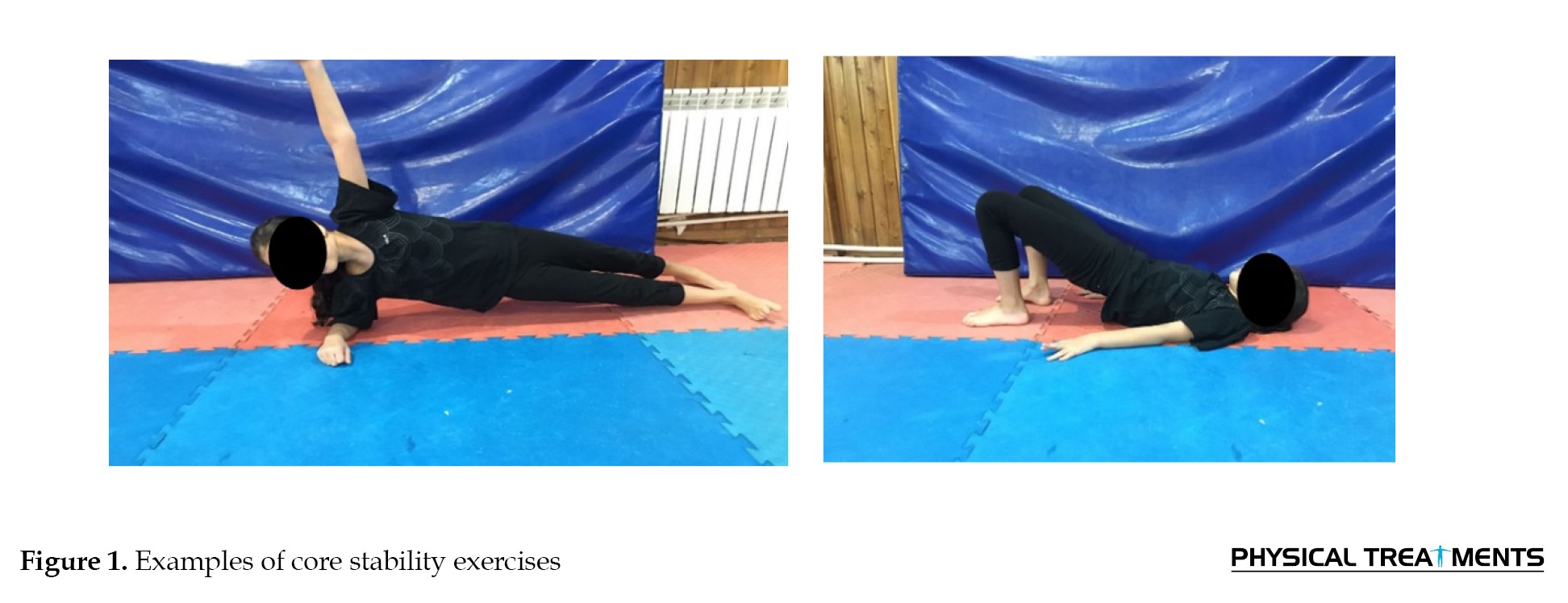
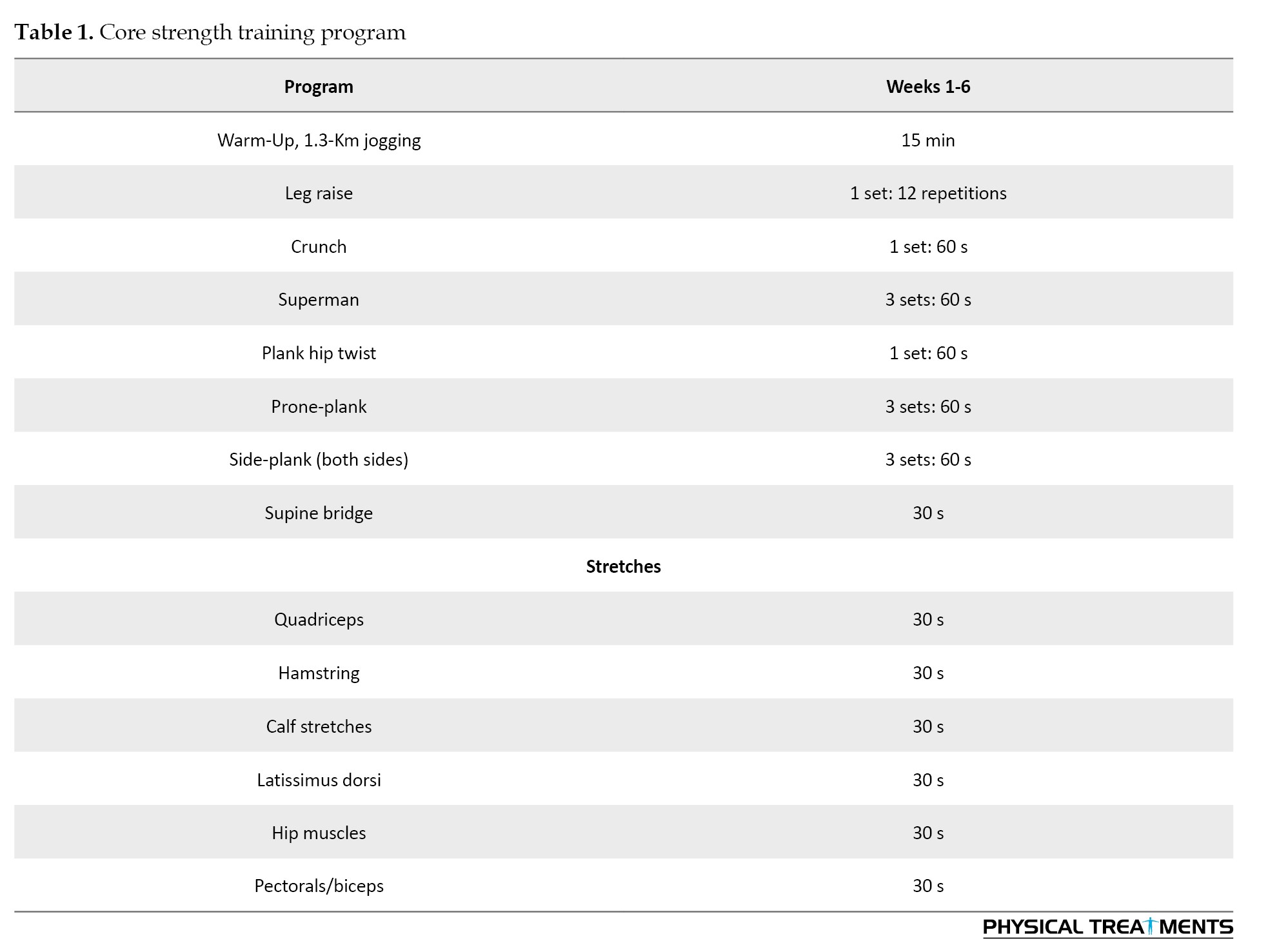
The core stability group was trained using the program proposed by Jeffrey [18, 21]. The exercises used included rotational sit-up, front and one-side plank, Superman movement, both leg raise, single leg bridging, sit-up, upper limb and trunk body raise. In this group, similar to the DNS group, the number of repetitions and the exercise intensity during the research period were increased to perform the overload principle. Participants in the intervention groups conducted core and DNS exercises for weeks (Table 1).
Finally, after completing the six-week core stability training and DNS training protocols in the experimental groups, the post-test phase was implemented, during which the knee valgus angle was re-examined by students using Q-angle measurement and motor function using FMS.
Statistical methods for both description and inference were used to review the collected data. To check if the data followed a normal distribution, the Shapiro-Wilk test was conducted. A one-way analysis of variance (ANOVA) was used to look at differences among the groups. The least significant difference (LSD) post hoc test was then carried out to compare the means between pairs. Furthermore, a paired t-test was applied to examine changes from the pre-test to the post-test, with a significance level established at (P≤0.05).
Results
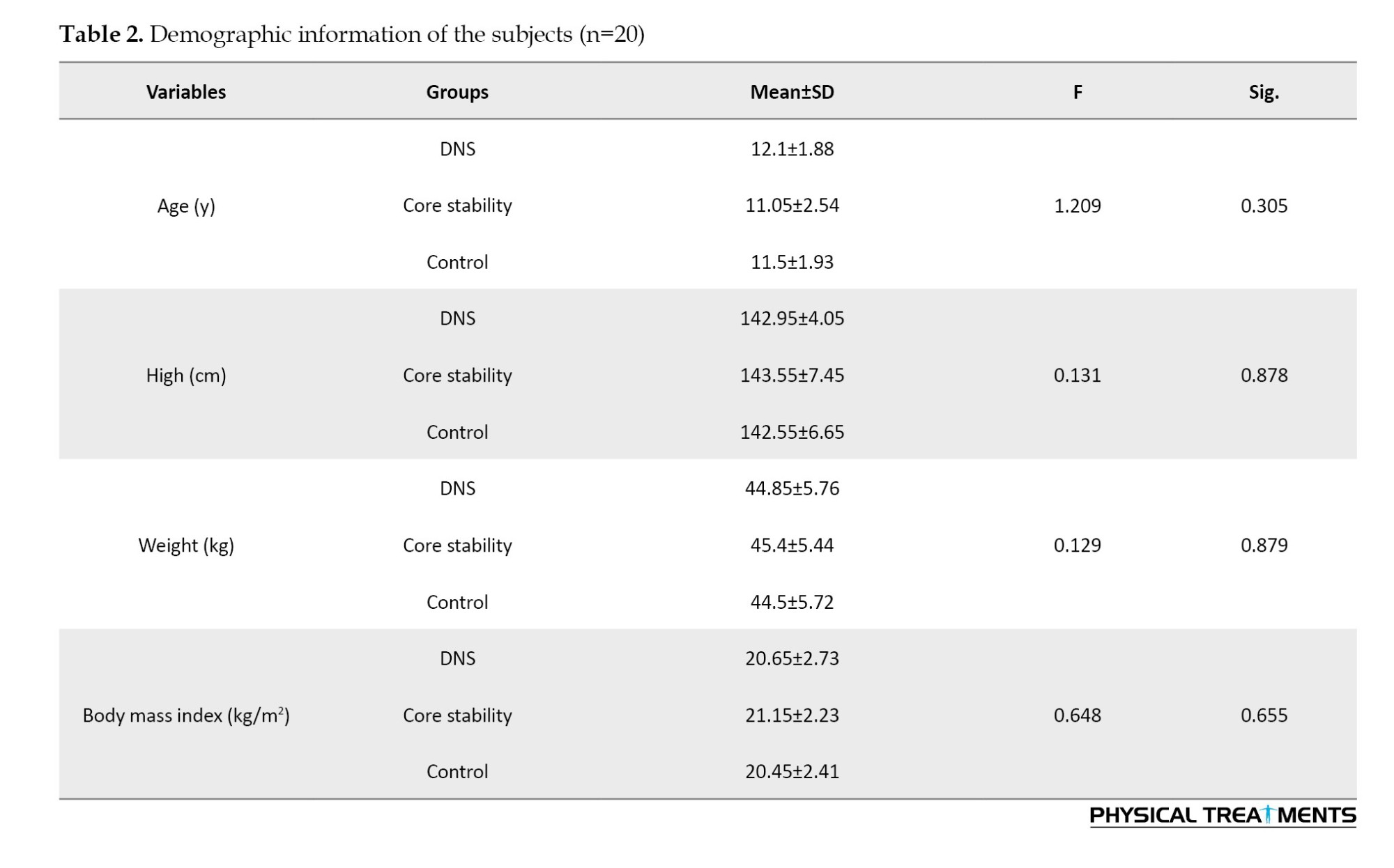
Table 2 presents the demographic data of the participants.
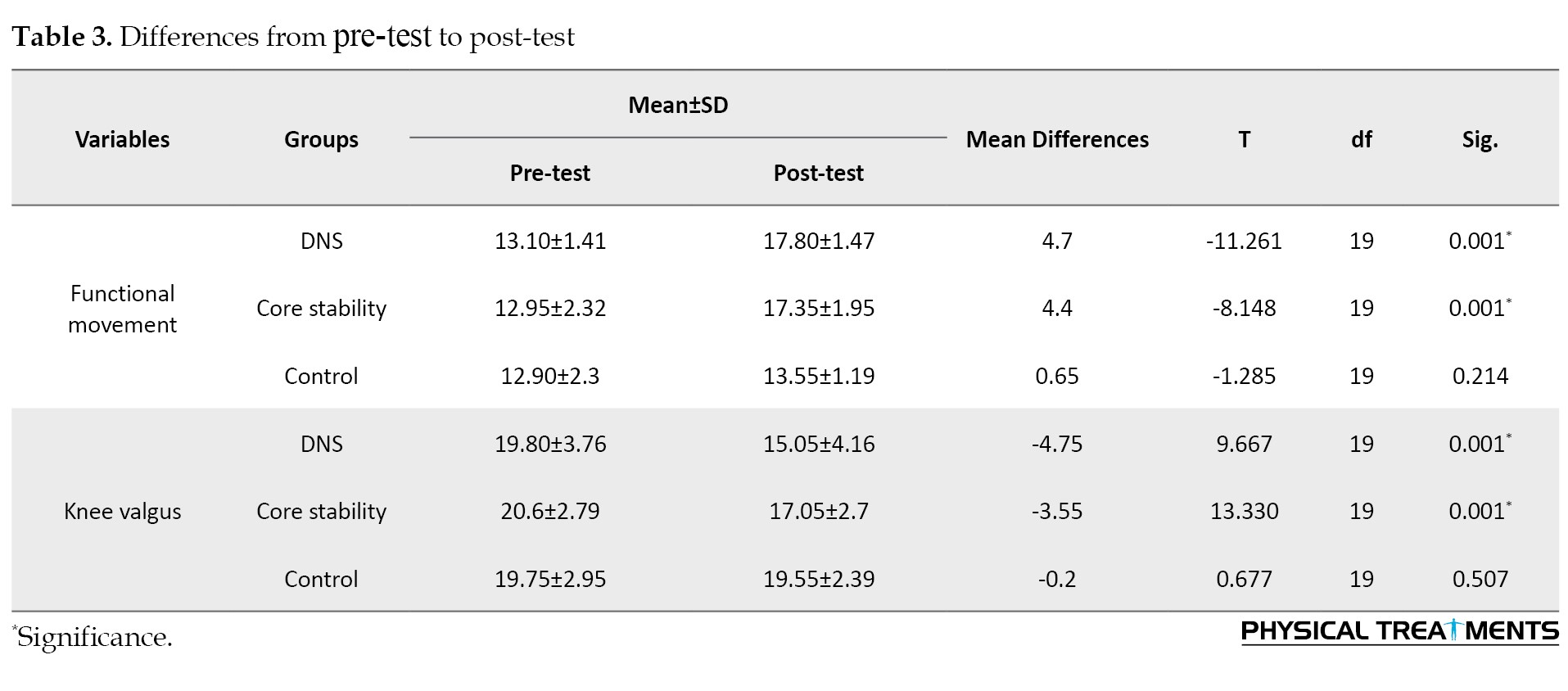
The Shapiro-Wilk test indicated a normal distribution. The findings from the paired t-test indicated a significant difference between pre-test and post-test in the knee valgus variable (P=0.001) in both the DNS and core stability groups, and motor function (P=0.001). However, no significant difference was observed between the pre-test and post-test results in the control group (Table 3).
When the foot is aligned straight in the lower limb, the axis of body weight connecting the hip joint center to the ankle joint center runs directly through the center of the knee joint. Thus, body weight is transferred into the knee joint by joint surfaces, where it is distributed equally between the two sides of the joint [1]. Abnormalities and injuries of the lower limbs disrupt human movement biomechanics and can hurt them, leading to instability symptoms. Some studies have shown that lower limb alignment is one of the factors influencing posture maintenance and function [2]. The knee joint bears weight and absorbs loads during both static and dynamic movements, playing a crucial role in the balance and function of the lower limbs. Genu valgum is a common orthopedic issue among children and adolescents [3, 4]. Increasing the angle of the knee joint (valgus) is accompanied by changes in the normal direction of the lower limb posture, in turn, causing changes in the location of the center of gravity relative to the base of support, limiting the control of balance and function of the individual [5].
Today, a mechanical and sedentary lifestyle not only causes skeletal abnormalities but also leads to movement disorders in students. Researchers have developed tools to evaluate more comprehensive movement patterns and to assess a comprehensive motor pattern for injury prevention. One of these methods is the functional movement screening (FMS) test, which can demonstrate the quality of performance of functional movement patterns and identify at-risk individuals [6]. Many studies have shown that people with scores of 14 or less have a high risk of injury [7]. This evaluation method can reveal the strengths and weaknesses of exercise programs and movement disorders.
One of the best active therapies is the use of exercises and activities, which can be effective in improving postural deformities and motor function [8, 9]. Studies involving students showed that various training and treatment methods were used, including core stability exercise training. In the past few years, the significance of core stability in lower-limb biomechanics has gained more attention. A new theory suggests that weakness or lack of muscular endurance of the core stabilizer muscles can be considered a factor contributing to kinetic instability in the lower limbs [10]. When the strength of the core stabilizing muscles is low, it leads to less effective movement patterns. This weakness causes the body to adopt compensatory movement patterns, which can lead to muscle strain and overuse. It also reduces the lower limbs’ dynamic stability and increases stress on their ligaments, greatly affecting a person’s ability to move [11]. It has also been reported that children have lower core muscle strength than adults [12]. Core stability exercises are used to improve motor control and muscle capacity in the central area of the body, as they maintain the strength of this area against various conditions and external forces. Core stability exercises strengthen muscles and improve motor function and control posture [13, 14]. Studies that have previously examined the effects of core stability exercise training on motor functional improvement [15, 16] and improving knee deformity [17, 18] have emphasized the effects of these exercises on increasing motor function and reducing postural deformity.
Conversely, it is worth highlighting that one of the latest techniques in exercise rehabilitation is the DNS technique, which incorporates the nervous system alongside enhancing the muscular system [19]. The DNS technique is a rehabilitation and manual therapy approach aimed at optimizing the motor system. It is grounded in the scientific principles of developmental kinesiology. Increasingly recognized in the realms of rehabilitation and sports performance, DNS is effective in addressing overuse injuries and preventing further harm. This overview explores the foundations of DNS and illustrates how it can be applied in rehabilitation settings to enhance recovery from overuse injuries, ultimately helping athletes regain peak performance. In various studies, both core stability training and DNS training have been used for injury prevention, to improve deformity, and to increase motor and sports performance. However, the effects of these two methods on valgus angle and motor function screening have been studied less, and fewer accurate comparisons have been made between their effectiveness. This research aimed to investigate and contrast the effects of core stability exercises and the DNS method on knee valgus and motor function in students between the ages of 9 and 14.
Materials and Methods
The current study was quasi-experimental and included two experimental groups (DNS training and core stability training) and a control group. Sixty female school students from Tehran (aged 11 to 14 years old) were selected as samples and randomly assigned into three groups of 20 participants: the experimental group, which included core stability (n=20) and DNS (n=20), and the control group (n=20). The inclusion criteria included the age range of 11 to 14 years, having genu valgum, and studying at schools in Tehran. The exclusion criteria were failure to complete the measurement steps and pre-test and post-test processes, irregular participation in training sessions, absence from more than two sessions, pain at rest, injury during treatment or training activities, insufficient cooperation, and withdrawal during the research [8].
The FMS kit was also used to assess students’ movement functions. The test consists of seven steps, including the full squat (deep squat) test, hurdle steps, in-line lunges, shoulder mobility, active straight-leg raise, trunk stability push-up, and rotary stability, along with three cleaning tests. The necessary explanations and instructions for implementing each movement pattern were provided to each test participant before the test was performed, and the test was administered once. The scoring method was a 0-3 scale for each movement pattern: performance without compensatory movement receives a score of three; performance with compensatory movement received a score of two; inability to perform and return to the initial state received a score of one; and performance with pain received a score of zero. Total scores across seven performances were considered the individual’s score on the screening test [6]. The Q angle was found by drawing a line from the middle of the patella to the front upper part of the anterior superior iliac spine and a second line from the tibial tubercle that connects through the center of the patella. The point where these two lines intersect represented the Q angle. AutoCAD software was used to measure the Q angle after taking images with a digital camera [20].
Once the pre-test phase concluded, both the core stability and DNS groups followed their designated training plans for six weeks, meeting three times a week. In brief, the exercises that the DNS group performed included diaphragmatic breathing, baby rock (lying on the back with knees bent), movements while on the stomach, rolling, exercises while lying on the side, sitting at an angle, tripod stances, kneeling, squats, and the Czech get up. During the initial week, the emphasis was on training and mastering basic DNS exercises. Each week, a new challenge was introduced to an already familiar movement, gradually increasing the difficulty of the exercises while building on the skills learned in the prior weeks. This step-by-step escalation in task difficulty helped the participants make their performance more automatic. We utilized the dual task approach to determine if the exercises had become automatic (for example, ensuring that adding new tasks did not interfere with diaphragmatic breathing). In essence, the overload principle in DNS training was implemented through increased exercise complexity, whereas traditional fitness training applied it by increasing weights, repetitions, duration, distance, and so forth [18, 21].
The core stability group was trained using the program proposed by Jeffrey [18, 21]. The exercises used included rotational sit-up, front and one-side plank, Superman movement, both leg raise, single leg bridging, sit-up, upper limb and trunk body raise. In this group, similar to the DNS group, the number of repetitions and the exercise intensity during the research period were increased to perform the overload principle. Participants in the intervention groups conducted core and DNS exercises for weeks (Table 1).
Finally, after completing the six-week core stability training and DNS training protocols in the experimental groups, the post-test phase was implemented, during which the knee valgus angle was re-examined by students using Q-angle measurement and motor function using FMS.
Statistical methods for both description and inference were used to review the collected data. To check if the data followed a normal distribution, the Shapiro-Wilk test was conducted. A one-way analysis of variance (ANOVA) was used to look at differences among the groups. The least significant difference (LSD) post hoc test was then carried out to compare the means between pairs. Furthermore, a paired t-test was applied to examine changes from the pre-test to the post-test, with a significance level established at (P≤0.05).
Results
Table 2 presents the demographic data of the participants.
The Shapiro-Wilk test indicated a normal distribution. The findings from the paired t-test indicated a significant difference between pre-test and post-test in the knee valgus variable (P=0.001) in both the DNS and core stability groups, and motor function (P=0.001). However, no significant difference was observed between the pre-test and post-test results in the control group (Table 3).
Tables 4 and 5 present the ANOVA and subsequent post hoc test results.
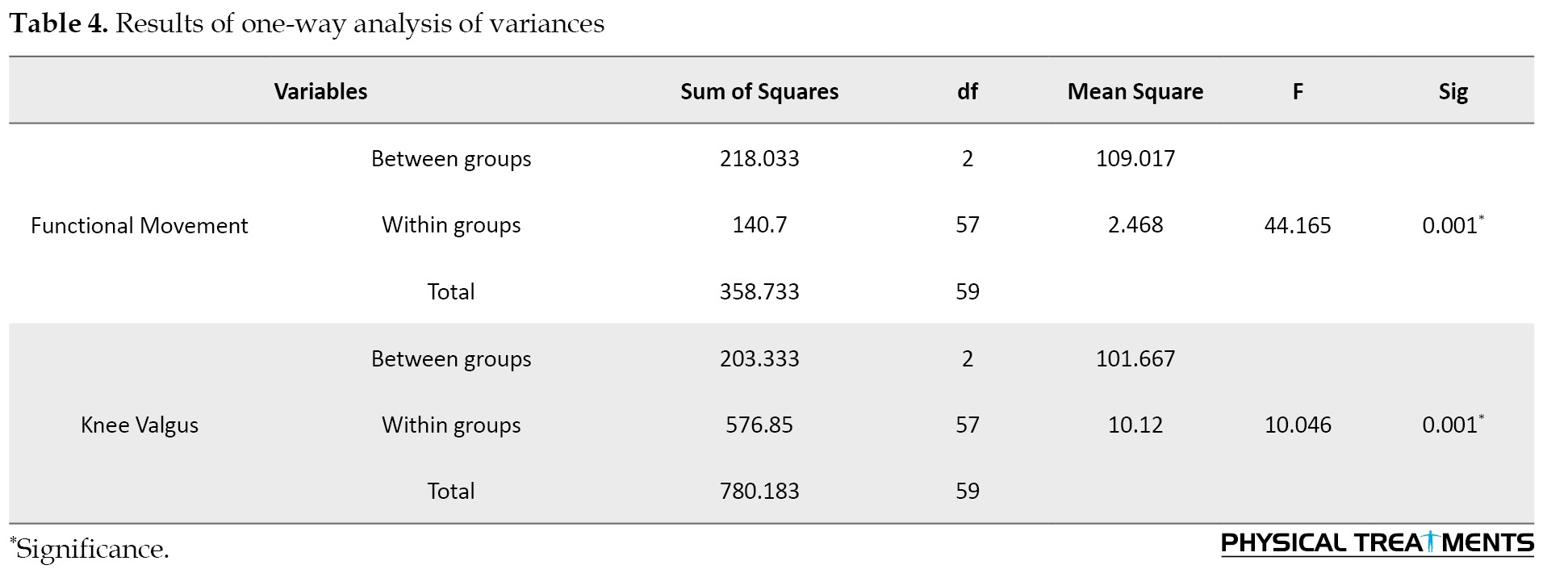
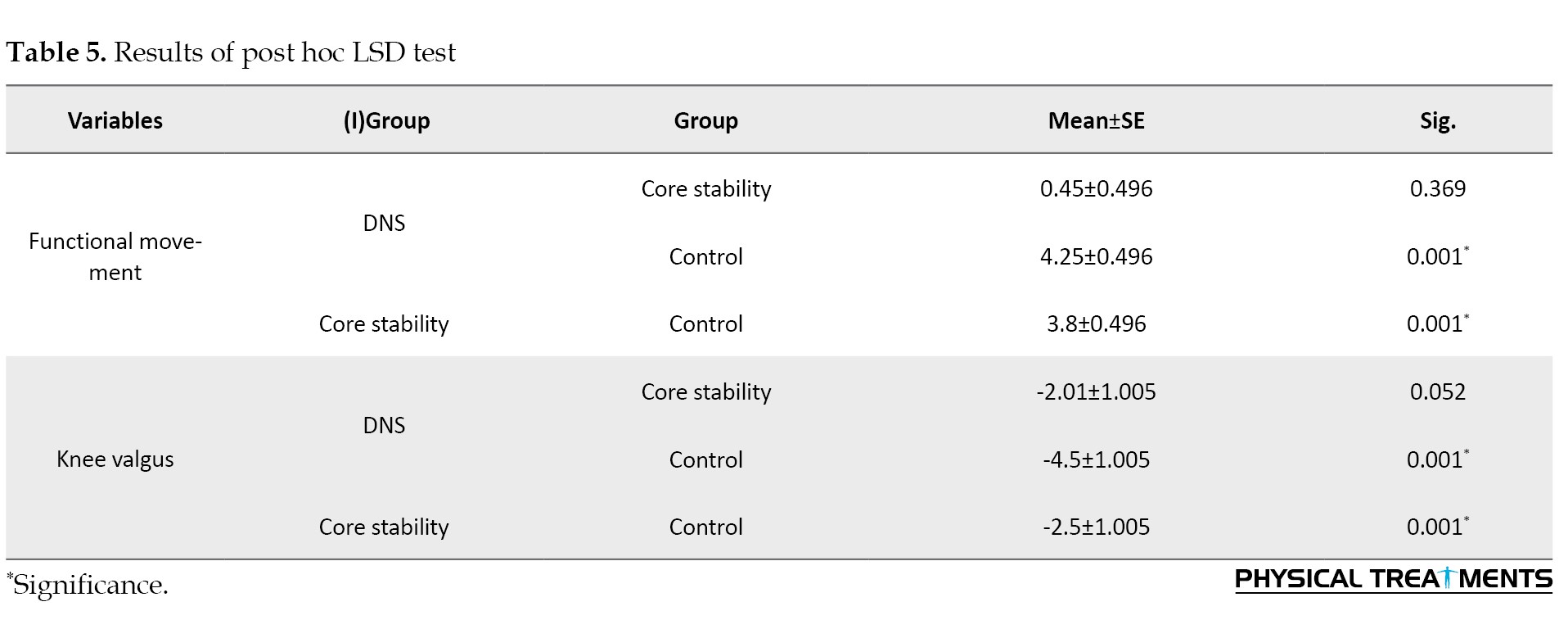
The results of the one-way ANOVA indicated a statistically significant difference among the groups (core stability training, DNS, and control groups) regarding the valgus variable and motor function (P≤0.05). However, no significant differences were observed between the two experimental groups (P≥0.05). The LSD post hoc test revealed a significant difference between the DNS training and core stability groups compared to the control group (P≤0.05). In contrast, no significant difference was found between the DNS training group and the core stability training group.
Discussion
The findings indicated that six weeks of core stability exercises and DNS effectively enhanced motor function quality, as assessed by FMS scores, and reduced knee valgus angle. However, the inter-group comparison revealed no significant differences between the two groups regarding the research variables. The similarities in the characteristics of these two exercise methods likely contributed to the comparable results. The findings of this study, which aimed to enhance the FMS test scores after a six-week program of core stability exercises, align with the outcomes of research conducted by Chang et al. [22], Rahimi et al. [15], and Daneshjoo et al. [23]. Chang et al. assessed the effects of a six-week core stability training program, implemented as a warm-up in physical education classes, on the physical fitness, motor abilities, and balance of schoolchildren. The study’s results indicated that incorporating core stability exercises into the warm-up routines significantly improved the motor function scores on the FMS. Therefore, the authors proposed that these exercises should be integrated into the regular warm-up routines of physical education classes for children [22]. Rahimi et al. conducted a study to examine the impact of central and neuromuscular stability exercises on the FMS of male wrestlers aged 11 to 14. The findings indicated that both forms of exercise significantly improved the FMS results for the wrestlers, though no substantial differences were observed between the two groups. Consequently, it is recommended that coaches incorporate these exercises into wrestlers’ conditioning programs, given the crucial role of the FMS in pre-season evaluations and in preventing sports injuries [15]. Daneshjoo et al. investigated how core stability exercises affect balance and motor performance test scores of teenage soccer players. The study found that these exercises led to substantial improvements in both static and dynamic balance and improved FMS among football players [23].
Our findings suggest that DNS training, due to its comprehensiveness, simultaneous involvement of the lower and upper limbs and trunk, increased muscle strength of the lower limbs, including the thigh muscles and around the knee, the use of appropriate recruitment patterns to perform functional tasks, improving the range of motion of the hip, knee, and ankle joints, and increased neuromuscular coordination have been able to have more impact on FMS test scores and decreased knee valgus angles than core stability method; however, this difference was not statistically confirmed. With a focus on factors, such as valgus control of knee dynamics, increased knee and thigh flexibility during functional movements can probably provide safe, desirable movement patterns that ultimately improve this imbalance, proprioception, and motor function in the long term [24]. DNS exercises involve various levels of movement in the upper and lower extremities, the core area of the body, breathing and diaphragm function, along with coordinated activation of the diaphragm, transversus abdominis, pelvic floor, and multifidus muscles to enhance postural stability [25]. It is possible that the DNS method could increase strength at the beginning of DNS exercises by improving the neuromuscular coordination within the muscles. Possible reasons for improving balance through muscle strength include increasing the neural mechanisms caused by exercise, such as the use of more efficient neuromuscular units, reorganization in the sensory motor cortex, increasing the efficiency and strength of synaptic communication, increasing the activation of the nervous system, reducing neural inhibitory reactions, reducing the resistance of neural pathways to impulse transmission, and improving and facilitating the transmission of events within each of the senses [25, 26]. DNS exercises are beneficial because they enhance strength, flexibility, range of motion, and overall physical fitness, owing to the considerable diversity in motor skills across various movement patterns. One of the limitations of the present investigation was that the participants were selected conveniently and from a district of Tehran. Based on the present study, it is suggested that core stability and DNS exercises should be performed on postural abnormalities of the lower limbs in other subjects and this study should be conducted in a larger range of people.
Conclusion
Based on the findings of this research, both training methods seem to have improved knee valgus angle and FMS scores to the same extent. Therefore, physical education teachers and elementary trainers should use these exercises during physical education programs.
Ethical Considerations
Compliance with ethical guidelines
All ethical principles are considered in this article. The participants were informed of the purpose of the research and its implementation stages. They were also assured about the confidentiality of their information and were free to leave the study whenever they wished, and if desired, the research results would be available to them. A written consent has been obtained from the subjects. principles of the Helsinki Convention was also observed.
Funding
This article is derived from the master’s thesis of Fatemeh Nasiri, approved by the Department of Physical Education and Sports Sciences, Tehran Science and Research Branch, Islamic Azad University, Tehran, Iran.
This research did not receive any grant from funding agencies in the public, commercial, or non-profit sectors.
Authors' contributions
Data collection and investigation: Fatemeh Nasiri and Amir Reza Gharakhanloo;Supervision: Mohammad Rahimi; Data analysis and writing: All authors.
Conflict of interest
The authors declared no conflict of interest.
Acknowledgments
The contributions of everyone who assisted in conducting this research are greatly appreciated.
The results of the one-way ANOVA indicated a statistically significant difference among the groups (core stability training, DNS, and control groups) regarding the valgus variable and motor function (P≤0.05). However, no significant differences were observed between the two experimental groups (P≥0.05). The LSD post hoc test revealed a significant difference between the DNS training and core stability groups compared to the control group (P≤0.05). In contrast, no significant difference was found between the DNS training group and the core stability training group.
Discussion
The findings indicated that six weeks of core stability exercises and DNS effectively enhanced motor function quality, as assessed by FMS scores, and reduced knee valgus angle. However, the inter-group comparison revealed no significant differences between the two groups regarding the research variables. The similarities in the characteristics of these two exercise methods likely contributed to the comparable results. The findings of this study, which aimed to enhance the FMS test scores after a six-week program of core stability exercises, align with the outcomes of research conducted by Chang et al. [22], Rahimi et al. [15], and Daneshjoo et al. [23]. Chang et al. assessed the effects of a six-week core stability training program, implemented as a warm-up in physical education classes, on the physical fitness, motor abilities, and balance of schoolchildren. The study’s results indicated that incorporating core stability exercises into the warm-up routines significantly improved the motor function scores on the FMS. Therefore, the authors proposed that these exercises should be integrated into the regular warm-up routines of physical education classes for children [22]. Rahimi et al. conducted a study to examine the impact of central and neuromuscular stability exercises on the FMS of male wrestlers aged 11 to 14. The findings indicated that both forms of exercise significantly improved the FMS results for the wrestlers, though no substantial differences were observed between the two groups. Consequently, it is recommended that coaches incorporate these exercises into wrestlers’ conditioning programs, given the crucial role of the FMS in pre-season evaluations and in preventing sports injuries [15]. Daneshjoo et al. investigated how core stability exercises affect balance and motor performance test scores of teenage soccer players. The study found that these exercises led to substantial improvements in both static and dynamic balance and improved FMS among football players [23].
Our findings suggest that DNS training, due to its comprehensiveness, simultaneous involvement of the lower and upper limbs and trunk, increased muscle strength of the lower limbs, including the thigh muscles and around the knee, the use of appropriate recruitment patterns to perform functional tasks, improving the range of motion of the hip, knee, and ankle joints, and increased neuromuscular coordination have been able to have more impact on FMS test scores and decreased knee valgus angles than core stability method; however, this difference was not statistically confirmed. With a focus on factors, such as valgus control of knee dynamics, increased knee and thigh flexibility during functional movements can probably provide safe, desirable movement patterns that ultimately improve this imbalance, proprioception, and motor function in the long term [24]. DNS exercises involve various levels of movement in the upper and lower extremities, the core area of the body, breathing and diaphragm function, along with coordinated activation of the diaphragm, transversus abdominis, pelvic floor, and multifidus muscles to enhance postural stability [25]. It is possible that the DNS method could increase strength at the beginning of DNS exercises by improving the neuromuscular coordination within the muscles. Possible reasons for improving balance through muscle strength include increasing the neural mechanisms caused by exercise, such as the use of more efficient neuromuscular units, reorganization in the sensory motor cortex, increasing the efficiency and strength of synaptic communication, increasing the activation of the nervous system, reducing neural inhibitory reactions, reducing the resistance of neural pathways to impulse transmission, and improving and facilitating the transmission of events within each of the senses [25, 26]. DNS exercises are beneficial because they enhance strength, flexibility, range of motion, and overall physical fitness, owing to the considerable diversity in motor skills across various movement patterns. One of the limitations of the present investigation was that the participants were selected conveniently and from a district of Tehran. Based on the present study, it is suggested that core stability and DNS exercises should be performed on postural abnormalities of the lower limbs in other subjects and this study should be conducted in a larger range of people.
Conclusion
Based on the findings of this research, both training methods seem to have improved knee valgus angle and FMS scores to the same extent. Therefore, physical education teachers and elementary trainers should use these exercises during physical education programs.
Ethical Considerations
Compliance with ethical guidelines
All ethical principles are considered in this article. The participants were informed of the purpose of the research and its implementation stages. They were also assured about the confidentiality of their information and were free to leave the study whenever they wished, and if desired, the research results would be available to them. A written consent has been obtained from the subjects. principles of the Helsinki Convention was also observed.
Funding
This article is derived from the master’s thesis of Fatemeh Nasiri, approved by the Department of Physical Education and Sports Sciences, Tehran Science and Research Branch, Islamic Azad University, Tehran, Iran.
This research did not receive any grant from funding agencies in the public, commercial, or non-profit sectors.
Authors' contributions
Data collection and investigation: Fatemeh Nasiri and Amir Reza Gharakhanloo;Supervision: Mohammad Rahimi; Data analysis and writing: All authors.
Conflict of interest
The authors declared no conflict of interest.
Acknowledgments
The contributions of everyone who assisted in conducting this research are greatly appreciated.
References
- Chang TH, Yuh DY, Wu YT, Cheng WC, Lin FG, Shieh YS, et al. The association between temporomandibular disorders and joint hypermobility syndrome: A nationwide population-based study. Clinical Oral Investigations. 2015; 19(8):2123-32. [DOI:10.1007/s00784-015-1422-7] [PMID]
- Sundaram B, Doshi M, Pandian J. Postural stability during seven different standing tasks in persons with chronic low back pain-a cross-sectional study. Indian Journal of Physiotherapy and Occupational Therapy. 2012; 6(2):22-7. [Link]
- Prakash J, Boruah T, Mehtani A, Chand S, Lal H. Experience of supracondylar cheveron osteotomy for genu valgum in 115 adolescent knees. Journal of Clinical Orthopaedics and Trauma. 2017; 8(3):285-92. [DOI:10.1016/j.jcot.2017.05.017] [PMID] [PMCID]
- Batistão MV, Moreira RD, Coury HJ, Salasar LE, Sato TD. Prevalence of postural deviations and associated factors in children and adolescents: A cross-sectional study. Fisioterapia em Movimento. 2016; 29(4):777-86. [DOI:10.1590/1980-5918.029.004.ao14]
- Rabiei M, Jafarnejhad GT, Binabaji H, Hosseininejad E, Anbarian M. [Assessment of postural response after sudden perturbation in subjects with genu valgum (Persian)]. Journal of Shahrekord University of Medical Sciences. 2012; 14(2):90-100. [Link]
- Kraus K, Schütz E, Taylor WR, Doyscher R. Efficacy of the functional movement screen: A review. The Journal of Strength & Conditioning Research. 2014; 28(12):3571-84. [DOI:10.1519/JSC.0000000000000556] [PMID]
- Wieczorkowski MP. Functional movement screening as a predictor of injury in high school basketball athletes [MA thesis]. Ohio: University of Toledo; 2010. [Link]
- Yamak B, İslamoğlu İ. The effects of exercise on body posture. Electronic Turkish Studies. 2018; 13(18):1377-88. [DOI:10.7827/TurkishStudies.13911]
- Wright MD, Portas MD, Evans VJ, Weston M. The effectiveness of 4 weeks of fundamental movement training on functional movement screen and physiological performance in physically active children. The Journal of Strength & Conditioning Research. 2015; 29(1):254-61. [DOI:10.1519/JSC.0000000000000602] [PMID]
- Fredericson M, Moore T. Muscular balance, core stability, and injury prevention for middle-and long-distance runners. Physical Medicine and Rehabilitation Clinics. 2005; 16(3):669-89. [DOI:10.1016/j.pmr.2005.03.001] [PMID]
- Root H, Trojian T, Martinez J, Kraemer W, DiStefano LJ. Landing technique and performance in youth athletes after a single injury-prevention program session. Journal of Athletic Training. 2015; 50(11):1149-57. [DOI:10.4085/1062-6050-50.11.01] [PMID] [PMCID]
- Ervin RB, Wang CY, Fryar CD, Miller IM, Ogden CL. Measures of muscular strength in U.S. children and adolescents, 2012. NCHS Data Brief. 2013; (139):1-8. [PMID]
- Hlaing SS, Puntumetakul R, Khine EE, Boucaut R. Effects of core stabilization exercise and strengthening exercise on proprioception, balance, muscle thickness and pain related outcomes in patients with subacute nonspecific low back pain: A randomized controlled trial. BMC Musculoskeletal Disorders. 2021; 22(1):998. [DOI:10.1186/s12891-021-04858-6] [PMID] [PMCID]
- Cabanas-Valdés R, Bagur-Calafat C, Girabent-Farrés M, Caballero-Gómez FM, Hernández-Valiño M, Urrútia Cuchí G. The effect of additional core stability exercises on improving dynamic sitting balance and trunk control for subacute stroke patients: A randomized controlled trial. Clinical Rehabilitation. 2016; 30(10):1024-33. [DOI:10.1177/0269215515609414] [PMID]
- Rahimi M, Elmi S, Piry H. [The Comparison of the Effect of Core Stability and Neuromuscular Exercises on Functional Movement Screening of Male Wrestlers aged 9 to 12 years (Persian)]. Studies in Sport Medicine. 2021; 13(29):133-56. [Link]
- Lago-Fuentes C, Rey E, Padrón-Cabo A, Sal de Rellán-Guerra A, Fragueiro-Rodríguez A, García-Núñez J. Effects of Core Strength Training Using Stable and Unstable Surfaces on Physical Fitness and Functional Performance in Professional Female Futsal Players. Journal of Human Kinetics. 2018; 65:213-24. [DOI:10.2478/hukin-2018-0029] [PMID] [PMCID]
- Rezvankhah Golsefidi N, Sirzad E, Alizadeh M, Barati A. [Effect of 6-week core stability training on biomechanics of single-leg jump-landing in 10 to 12 years old active children (Persian)]. Studies in Sport Medicine. 2019; 10(24):83-102. [DOI:10.22089/smj.2019.6035.1322]
- Jeong J, Choi DH, Shin CS. Core strength training can alter neuromuscular and biomechanical risk factors for anterior cruciate ligament injury. The American Journal of Sports Medicine. 2021; 49(1):183-92. [DOI:10.1177/0363546520972990] [PMID]
- Frank C, Kobesova A, Kolar P. Dynamic neuromuscular stabilization & sports rehabilitation. International Journal of Sports Physical Therapy. 2013; 8(1):62-73. [PMID]
- Smith TO, Hunt NJ, Donell ST. The reliability and validity of the Q-angle: A systematic review. Knee Surgery, Sports Traumatology, Arthroscopy : Official Journal of the ESSKA. 2008; 16(12):1068-79. [DOI:10.1007/s00167-008-0643-6] [PMID]
- Jeffreys I. Developing a progressive core stability program. Strength & Conditioning Journal. 2002; 24(5):65-66. [DOI:10.1519/00126548-200210000-00017]
- Chang NJ, Tsai IH, Lee CL, Liang CH. Effect of a six-week core conditioning as a warm-up exercise in physical education classes on physical fitness, movement capability, and balance in school-aged children. International Journal of Environmental Research and Public Health. 2020; 17(15):5517. [DOI:10.3390/ijerph17155517] [PMID] [PMCID]
- Daneshjoo A, Eslami A, Mousavi Sadati SK. Effect of core stability training on the balance and FMS scores of adolescent soccer players. The Scientific Journal of Rehabilitation Medicine. 2020; 9(2):61-70. [Link]
- Salsich GB, Graci V, Maxam DE. The effects of movement pattern modification on lower extremity kinematics and pain in women with patellofemoral pain. The Journal of Orthopaedic and Sports Physical Therapy. 2012; 42(12):1017-24. [DOI:10.2519/jospt.2012.4231] [PMID] [PMCID]
- Yoon HS, You JSH. Reflex-mediated dynamic neuromuscular stabilization in stroke patients: EMG processing and ultrasound imaging. Technology and Health Care : Official Journal of The European Society for Engineering and Medicine. 2017;2 5(S1):99-106. [DOI:10.3233/THC-171311] [PMID]
- Francio VT, Boesch R, Tunning M. Treatment of a patient with posterior cortical atrophy (PCA) with chiropractic manipulation and Dynamic Neuromuscular Stabilization (DNS): A case report. The Journal of the Canadian Chiropractic Association. 2015; 59(1):37-45. [PMID]
Type of Study: Research |
Subject:
General
Received: 2024/02/2 | Accepted: 2025/03/12 | Published: 2026/04/10
Received: 2024/02/2 | Accepted: 2025/03/12 | Published: 2026/04/10
Send email to the article author
| Rights and permissions | |
 |
This work is licensed under a Creative Commons Attribution-NonCommercial 4.0 International License. |

This is an open access article distributed under the terms of the Creative Commons Attribution-NonCommercial 4.0 (CC-By-NC 4.0), which permits use, distribution, and reproduction in any medium, provided the original work is properly cited and is not used for commercial purposes.
Contact Information