Tue, Aug 11, 2026
Volume 16, Issue 2 (Spring 2026)
PTJ 2026, 16(2): 115-126 |
Back to browse issues page



Download citation:
BibTeX | RIS | EndNote | Medlars | ProCite | Reference Manager | RefWorks
Send citation to:


BibTeX | RIS | EndNote | Medlars | ProCite | Reference Manager | RefWorks
Send citation to:
Eslami R. Research Landscape of Exercise-related Extracellular Vesicles: A Bibliometric Analysis (2010–2024). PTJ 2026; 16 (2) :115-126
URL: http://ptj.uswr.ac.ir/article-1-802-en.html
URL: http://ptj.uswr.ac.ir/article-1-802-en.html


Department of Exercise Physiology, Faculty of Physical Education and Sports Sciences, Allameh Tabataba’i University, Tehran, Iran.
Full-Text [PDF 2439 kb]
(728 Downloads)
| Abstract (HTML) (1355 Views)
Data analysis and visualization
For this bibliometric analysis, we employed two primary software tools: The Bibliometrix R package software, version 4.4.1 and VOSviewer software, version 1.6.20. The Bibliometrix R package software, version 4.4.1, run through R-Studio, facilitated quantitative analysis by extracting key publication metrics, including annual output, leading countries/institutions, prominent journals, and author h-indices, as well as co-word analysis to identify keyword relationships [14]. Bibliographic coupling and thematic evolution analyses were not conducted, as the study focused on publication trends and keyword co-occurrence networks. VOSviewer software, version 1.6.20 generated co-occurrence network maps for keywords, where node size represented keyword frequency, node color indicated thematic clusters, and line thickness reflected the strength of co-occurrence relationships [15]. This multi-tool approach ensured rigorous data synthesis and intuitive visualization of research trends.
Results
Publication output analysis
The 398 documents retrieved in this study were cited 9944 times, with an average of 24.98 citations per article and an h-index of 51, as summarized in Table 1.

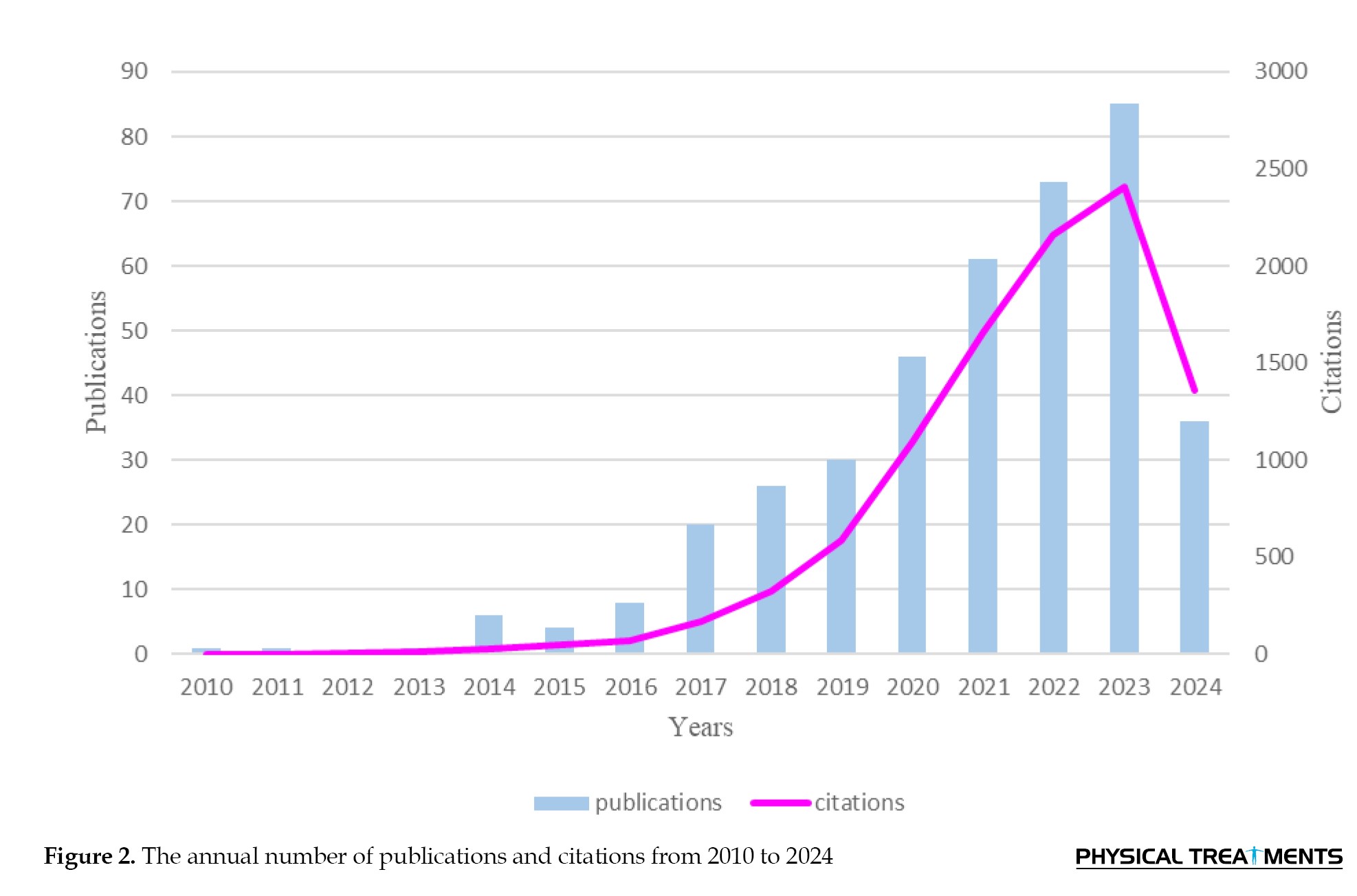
Table 1 presents key bibliometric metrics, including total documents, citations, and citation impact. A total of 398 publications were identified between January 1, 2010, and July 20, 2024, including 252 articles and 146 reviews. Figure 2 demonstrates that, in recent years, the number of articles and citations in this field has increased with a 30.38% annual growth rate. Specifically, the number of citations (2411) and articles (85) peaked in 2023.
Analysis of keywords
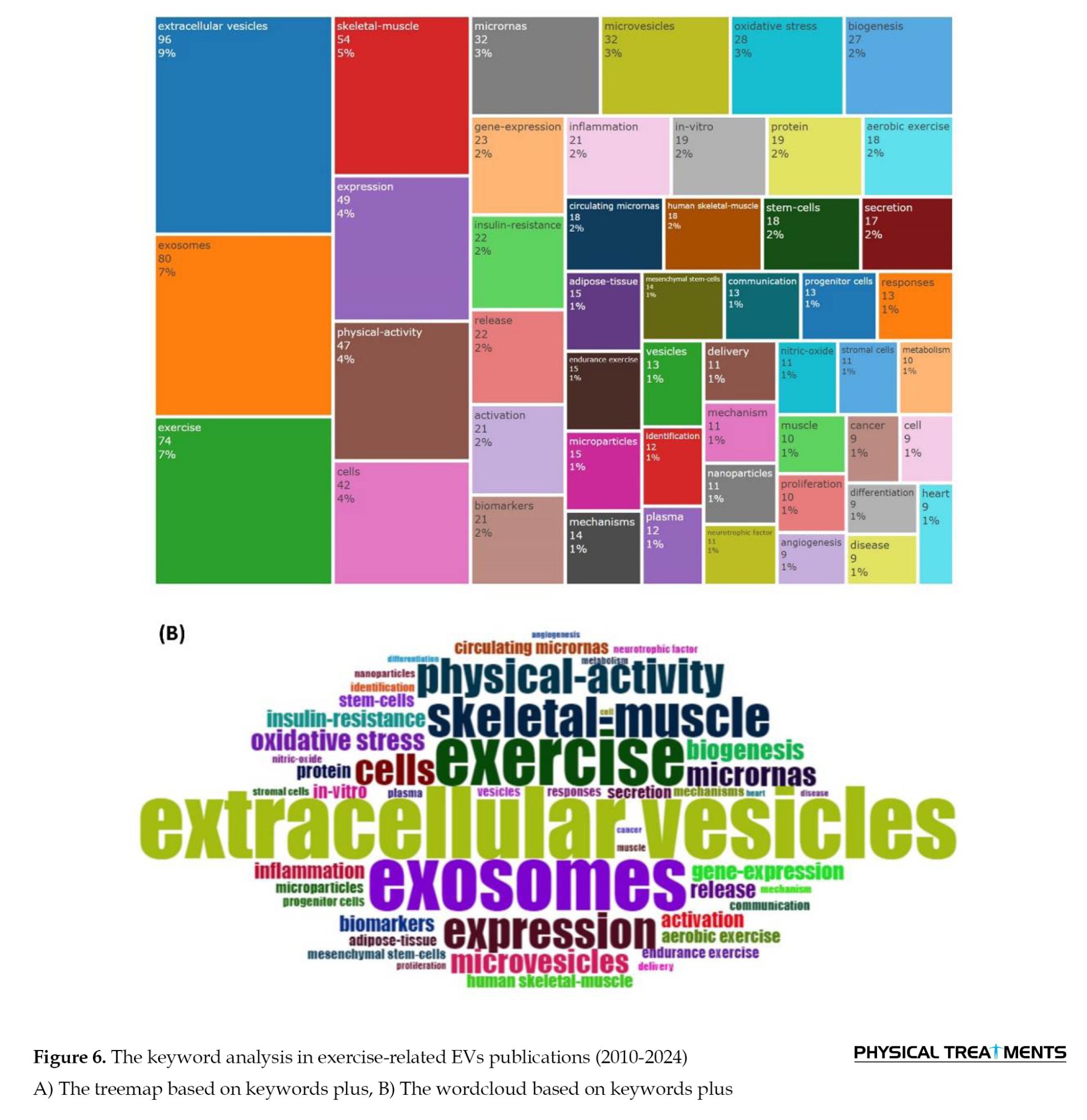
Keywords are author summaries of the article’s content, reflecting the main points and research frontiers of the study. Figure 6A illustrates the most frequently used keywords in this publication, with the size of each box representing the frequency of usage and the percentage of each keyword’s usage in the total texts reviewed displayed within each box.
Full-Text: (134 Views)
Introduction
The investigation of variables that may mediate interorgan crosstalk during and after exercise is an exciting area of study in exercise physiology. Exercise stimulates multiple metabolic pathways across tissues, organs, and systems; therefore, it is critical to investigate the molecular mechanisms underlying the metabolic benefits of exercise. During exercise, skeletal muscles release humoral factors into the bloodstream, which are termed myokines [1]. These myokines are widely recognized and extensively researched in the field of exercise science [2]. Exercise triggers the release of signaling molecules from multiple tissues, including the nervous system, white and brown adipose tissue, liver, and heart, collectively termed ‘exerkines,’ which encompass cytokines, lipids, metabolites, and nucleic acids [3]. These exerkines mediate interorgan crosstalk during exercise, with myokines representing a subset derived from skeletal muscle. Complementing exerkines, extracellular vesicles (EVs) serve as critical carriers of these signaling molecules, protecting and delivering complex cargos, such as micro ribonucleic acids (microRNAs) and proteins, to distant tissues, thereby enhancing exercise-induced interorgan communication [3, 4]. Unlike myokines, which are primarily secreted proteins, EVs encapsulate a diverse array of biomolecules, offering a unique mechanism for stable, long-distance signaling [4]. Notably, exercise modalities, such as aerobic training and yoga, have been shown to reduce inflammatory markers, such as interleukin-6 (IL-6), C-reactive protein (CRP), and tumor necrosis factor-alpha (TNF-α) in older adults and patients with multiple sclerosis, respectively, highlighting the potential of exercise-induced EVs in modulating chronic inflammation across diverse clinical populations [5, 6].
Exerkines and EVs have garnered significant interest because they function as carriers of molecular signals and are recognized as key mediators of communication between organs during exercise [4]. EVs are membranous vesicles released by all cell types during both physiological and pathophysiological conditions. According to their biogenesis, size, and biophysical properties, they can be roughly divided into two main categories: exosomes and microvesicles [7]. EVs also include vesicles generated through different cell death processes, including apoptosis, necrosis, and focal cell death [8]. The potential of EVs is mainly related to their cargo. The “vesicular package” protects signals from damage and enables the transmission of multiple messages over long distances. Moreover, EVs are considered potential biomarkers for numerous disorders since their content may reflect the original cell state [9].
Alan Prichard initially presented a bibliometric analysis in 1969 [10]. Bibliometrics is a widely used method for quantitatively and statistically visualizing evidence based on information in published studies in a given research field, including authors, countries, and their cooperation, institutions, journals, analysis of keywords, references, and co-citations [11]. Bibliometric analysis offers researchers a distinctive perspective on the present landscape and emerging directions in a given field, providing insights that conventional methods, such as systematic reviews, meta-analyses, and evidence mapping, cannot deliver [12]. Unlike systematic reviews or meta-analyses, which focus on synthesizing study findings, bibliometric analysis quantitatively maps publication trends, collaborations, and research foci across a field, using tools, such as CiteSpace, VOSviewer software, version 1.6.20, and the Bibliometrix R package software, version 4.4.1, which are widely applied in medicine, biology, and immunology [13]. This approach is particularly suited to studying exercise-related EVs, as it can identify emerging trends and key research themes in this rapidly evolving interdisciplinary field [13].
To date, no bibliometric study has quantitatively examined the impact of exercise on EVs from 2010 to 2024, a period marked by rapid growth in EV research due to their emerging role in exercise physiology [4]. This study addresses this gap by employing bibliometric methods to comprehensively evaluate existing research, driven by the interdisciplinary nature of EV studies and the need to map evolving trends and collaborations in this dynamic field [13]. Using scientific visualization tools, we identified and assessed current research hotspots and emerging trends to guide future investigations in exercise-related EV biology.
Materials and Methods
Search strategies and data sources
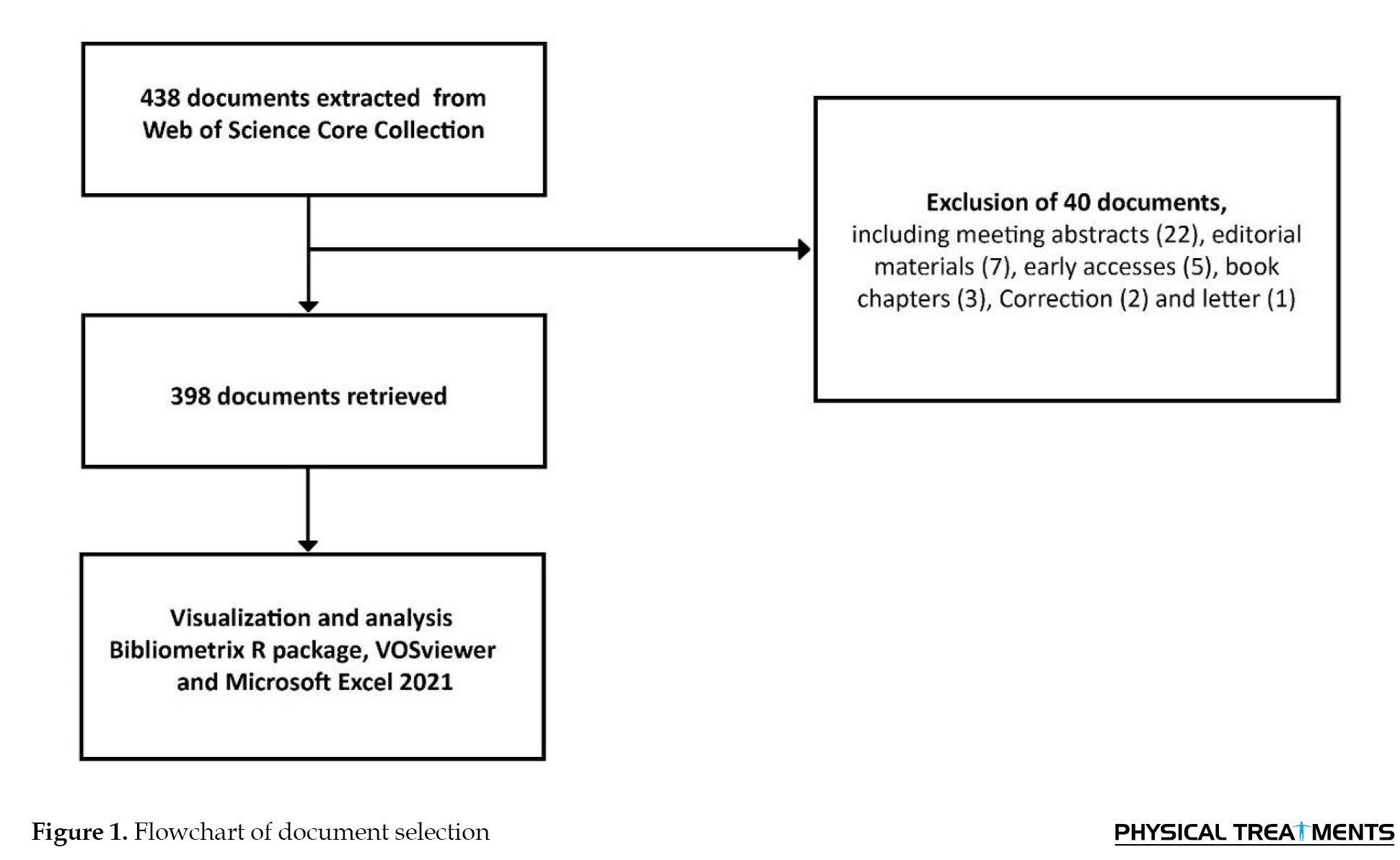
Among major academic databases, such as Scopus and PubMed, the Web of Science (WoS) core collection (WoSCC) is widely recognized as the most authoritative and comprehensive source for bibliometric research. For this study, we retrieved all scientific publications on exercise-related EVs from WoSCC, spanning the years 2010 to 2024. The search query combined the terms: TS=([exercise] OR [exercise training] OR [physical activity]) AND TS=(EVs), limited to articles and reviews published between January 1, 2010, and July 19, 2024. The term “EVs” was chosen because it is a widely accepted umbrella term encompassing related concepts, such as exosomes and microvesicles, ensuring comprehensive coverage of the relevant literature while minimizing redundancy. Similarly, the terms “exercise,” “exercise training,” and “physical activity” were selected to capture studies broadly on physical exertion. The initial search yielded 438 records, which were subsequently refined by excluding non-relevant document types, including meeting abstracts (22), editorials (7), early access publications (5) due to potential incomplete metadata or unfinished peer-review processes, book chapters (3), corrections (2), and letters (1), as these often lack comprehensive scientific content or robust citation data required for quantitative mapping (12). After this rigorous screening process, 398 qualified records remained for analysis, comprising 252 research articles and 146 review papers. All selected publications were exported as complete records with cited references in plain text format for bibliometric mapping. Figure 1 shows a detailed flowchart of the document selection procedure.
The investigation of variables that may mediate interorgan crosstalk during and after exercise is an exciting area of study in exercise physiology. Exercise stimulates multiple metabolic pathways across tissues, organs, and systems; therefore, it is critical to investigate the molecular mechanisms underlying the metabolic benefits of exercise. During exercise, skeletal muscles release humoral factors into the bloodstream, which are termed myokines [1]. These myokines are widely recognized and extensively researched in the field of exercise science [2]. Exercise triggers the release of signaling molecules from multiple tissues, including the nervous system, white and brown adipose tissue, liver, and heart, collectively termed ‘exerkines,’ which encompass cytokines, lipids, metabolites, and nucleic acids [3]. These exerkines mediate interorgan crosstalk during exercise, with myokines representing a subset derived from skeletal muscle. Complementing exerkines, extracellular vesicles (EVs) serve as critical carriers of these signaling molecules, protecting and delivering complex cargos, such as micro ribonucleic acids (microRNAs) and proteins, to distant tissues, thereby enhancing exercise-induced interorgan communication [3, 4]. Unlike myokines, which are primarily secreted proteins, EVs encapsulate a diverse array of biomolecules, offering a unique mechanism for stable, long-distance signaling [4]. Notably, exercise modalities, such as aerobic training and yoga, have been shown to reduce inflammatory markers, such as interleukin-6 (IL-6), C-reactive protein (CRP), and tumor necrosis factor-alpha (TNF-α) in older adults and patients with multiple sclerosis, respectively, highlighting the potential of exercise-induced EVs in modulating chronic inflammation across diverse clinical populations [5, 6].
Exerkines and EVs have garnered significant interest because they function as carriers of molecular signals and are recognized as key mediators of communication between organs during exercise [4]. EVs are membranous vesicles released by all cell types during both physiological and pathophysiological conditions. According to their biogenesis, size, and biophysical properties, they can be roughly divided into two main categories: exosomes and microvesicles [7]. EVs also include vesicles generated through different cell death processes, including apoptosis, necrosis, and focal cell death [8]. The potential of EVs is mainly related to their cargo. The “vesicular package” protects signals from damage and enables the transmission of multiple messages over long distances. Moreover, EVs are considered potential biomarkers for numerous disorders since their content may reflect the original cell state [9].
Alan Prichard initially presented a bibliometric analysis in 1969 [10]. Bibliometrics is a widely used method for quantitatively and statistically visualizing evidence based on information in published studies in a given research field, including authors, countries, and their cooperation, institutions, journals, analysis of keywords, references, and co-citations [11]. Bibliometric analysis offers researchers a distinctive perspective on the present landscape and emerging directions in a given field, providing insights that conventional methods, such as systematic reviews, meta-analyses, and evidence mapping, cannot deliver [12]. Unlike systematic reviews or meta-analyses, which focus on synthesizing study findings, bibliometric analysis quantitatively maps publication trends, collaborations, and research foci across a field, using tools, such as CiteSpace, VOSviewer software, version 1.6.20, and the Bibliometrix R package software, version 4.4.1, which are widely applied in medicine, biology, and immunology [13]. This approach is particularly suited to studying exercise-related EVs, as it can identify emerging trends and key research themes in this rapidly evolving interdisciplinary field [13].
To date, no bibliometric study has quantitatively examined the impact of exercise on EVs from 2010 to 2024, a period marked by rapid growth in EV research due to their emerging role in exercise physiology [4]. This study addresses this gap by employing bibliometric methods to comprehensively evaluate existing research, driven by the interdisciplinary nature of EV studies and the need to map evolving trends and collaborations in this dynamic field [13]. Using scientific visualization tools, we identified and assessed current research hotspots and emerging trends to guide future investigations in exercise-related EV biology.
Materials and Methods
Search strategies and data sources
Among major academic databases, such as Scopus and PubMed, the Web of Science (WoS) core collection (WoSCC) is widely recognized as the most authoritative and comprehensive source for bibliometric research. For this study, we retrieved all scientific publications on exercise-related EVs from WoSCC, spanning the years 2010 to 2024. The search query combined the terms: TS=([exercise] OR [exercise training] OR [physical activity]) AND TS=(EVs), limited to articles and reviews published between January 1, 2010, and July 19, 2024. The term “EVs” was chosen because it is a widely accepted umbrella term encompassing related concepts, such as exosomes and microvesicles, ensuring comprehensive coverage of the relevant literature while minimizing redundancy. Similarly, the terms “exercise,” “exercise training,” and “physical activity” were selected to capture studies broadly on physical exertion. The initial search yielded 438 records, which were subsequently refined by excluding non-relevant document types, including meeting abstracts (22), editorials (7), early access publications (5) due to potential incomplete metadata or unfinished peer-review processes, book chapters (3), corrections (2), and letters (1), as these often lack comprehensive scientific content or robust citation data required for quantitative mapping (12). After this rigorous screening process, 398 qualified records remained for analysis, comprising 252 research articles and 146 review papers. All selected publications were exported as complete records with cited references in plain text format for bibliometric mapping. Figure 1 shows a detailed flowchart of the document selection procedure.
Data analysis and visualization
For this bibliometric analysis, we employed two primary software tools: The Bibliometrix R package software, version 4.4.1 and VOSviewer software, version 1.6.20. The Bibliometrix R package software, version 4.4.1, run through R-Studio, facilitated quantitative analysis by extracting key publication metrics, including annual output, leading countries/institutions, prominent journals, and author h-indices, as well as co-word analysis to identify keyword relationships [14]. Bibliographic coupling and thematic evolution analyses were not conducted, as the study focused on publication trends and keyword co-occurrence networks. VOSviewer software, version 1.6.20 generated co-occurrence network maps for keywords, where node size represented keyword frequency, node color indicated thematic clusters, and line thickness reflected the strength of co-occurrence relationships [15]. This multi-tool approach ensured rigorous data synthesis and intuitive visualization of research trends.
Results
Publication output analysis
The 398 documents retrieved in this study were cited 9944 times, with an average of 24.98 citations per article and an h-index of 51, as summarized in Table 1.
Table 1 presents key bibliometric metrics, including total documents, citations, and citation impact. A total of 398 publications were identified between January 1, 2010, and July 20, 2024, including 252 articles and 146 reviews. Figure 2 demonstrates that, in recent years, the number of articles and citations in this field has increased with a 30.38% annual growth rate. Specifically, the number of citations (2411) and articles (85) peaked in 2023.
The ongoing increase in publications likely reflects the growing recognition of EVs’ role and their responsiveness to physiological and metabolic adaptations during exercise.
Analysis of countries and institutions
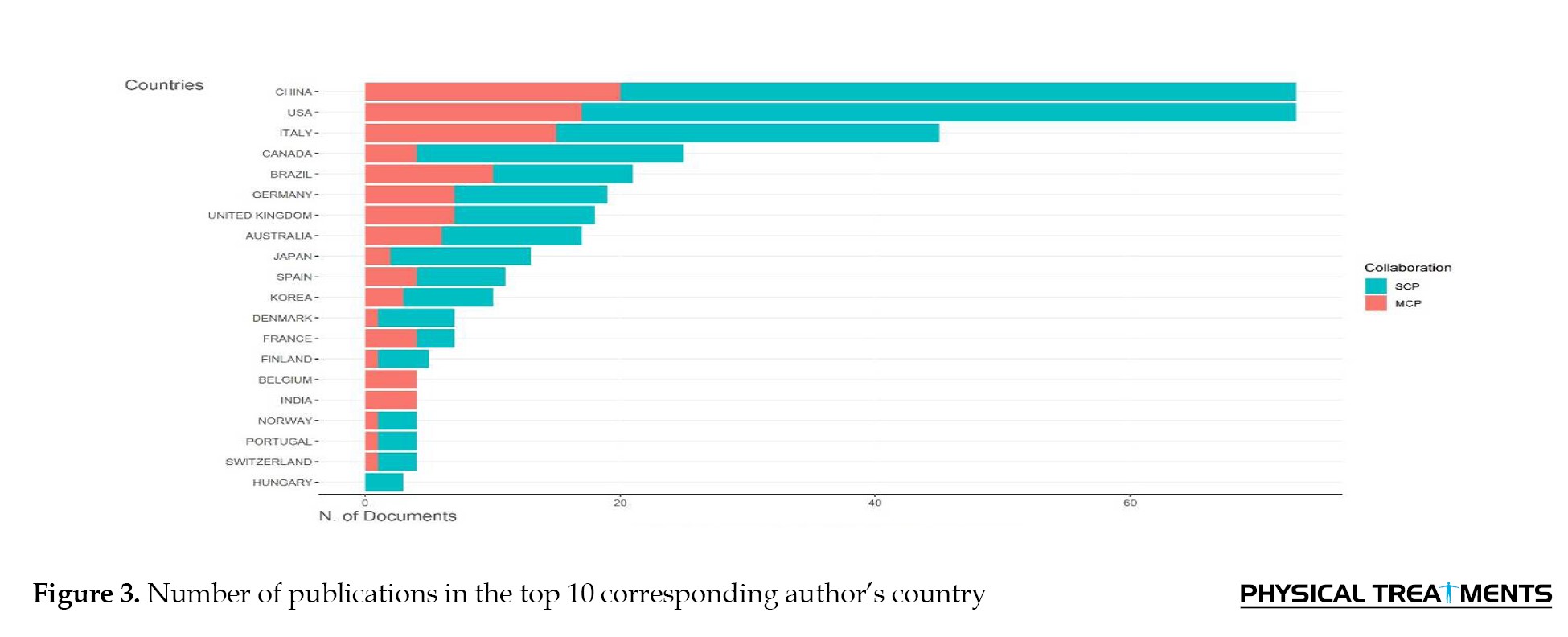
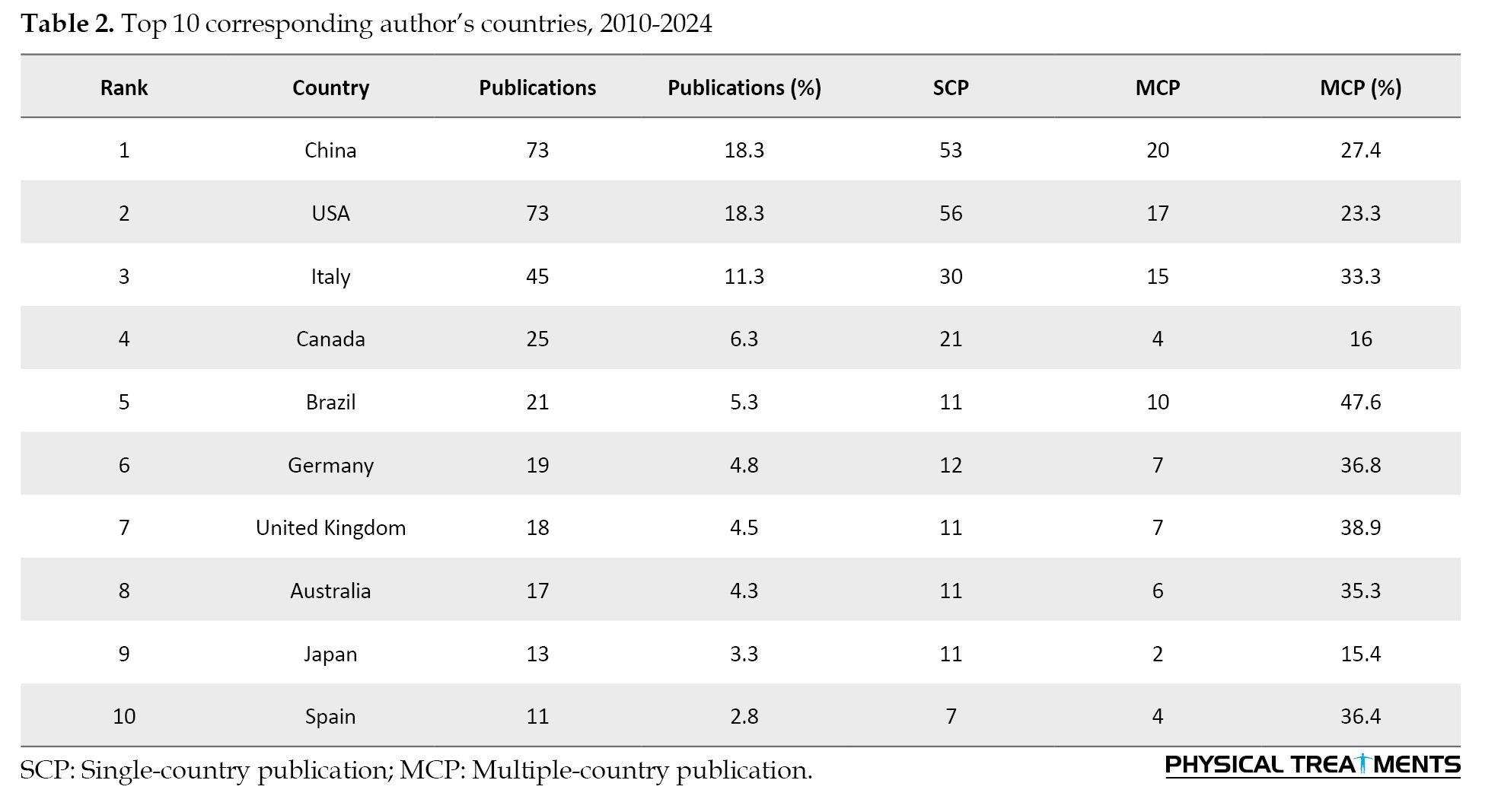
A total of 36 countries of corresponding authors and 639 institutions contributed to the 398 filtered studies on exercise-related EVs from January 1, 2010, to July 19, 2024. China and the United States led publication output, each contributing 73 articles (together accounting for over 36% of total publications), followed by Italy (n=45), Canada (n=25), and Brazil (n=21), as shown in Figure 3.
Analysis of countries and institutions
A total of 36 countries of corresponding authors and 639 institutions contributed to the 398 filtered studies on exercise-related EVs from January 1, 2010, to July 19, 2024. China and the United States led publication output, each contributing 73 articles (together accounting for over 36% of total publications), followed by Italy (n=45), Canada (n=25), and Brazil (n=21), as shown in Figure 3.
Table 2 presents the details of the top 10 countries, their publications, and single-country publication (SCP) and multiple-country publication (MCP) collaborations.
Regarding citations, the United States led with 1620 citations and an average of 22.20 citations per article, followed by China with 1579 total citations and 21.60 average citations, Italy with 1138 total citations and 25.30 average citations, Australia with 948 total citations and 55.80 average citations, and Canada with 848 total citations and 33.90 average citations.
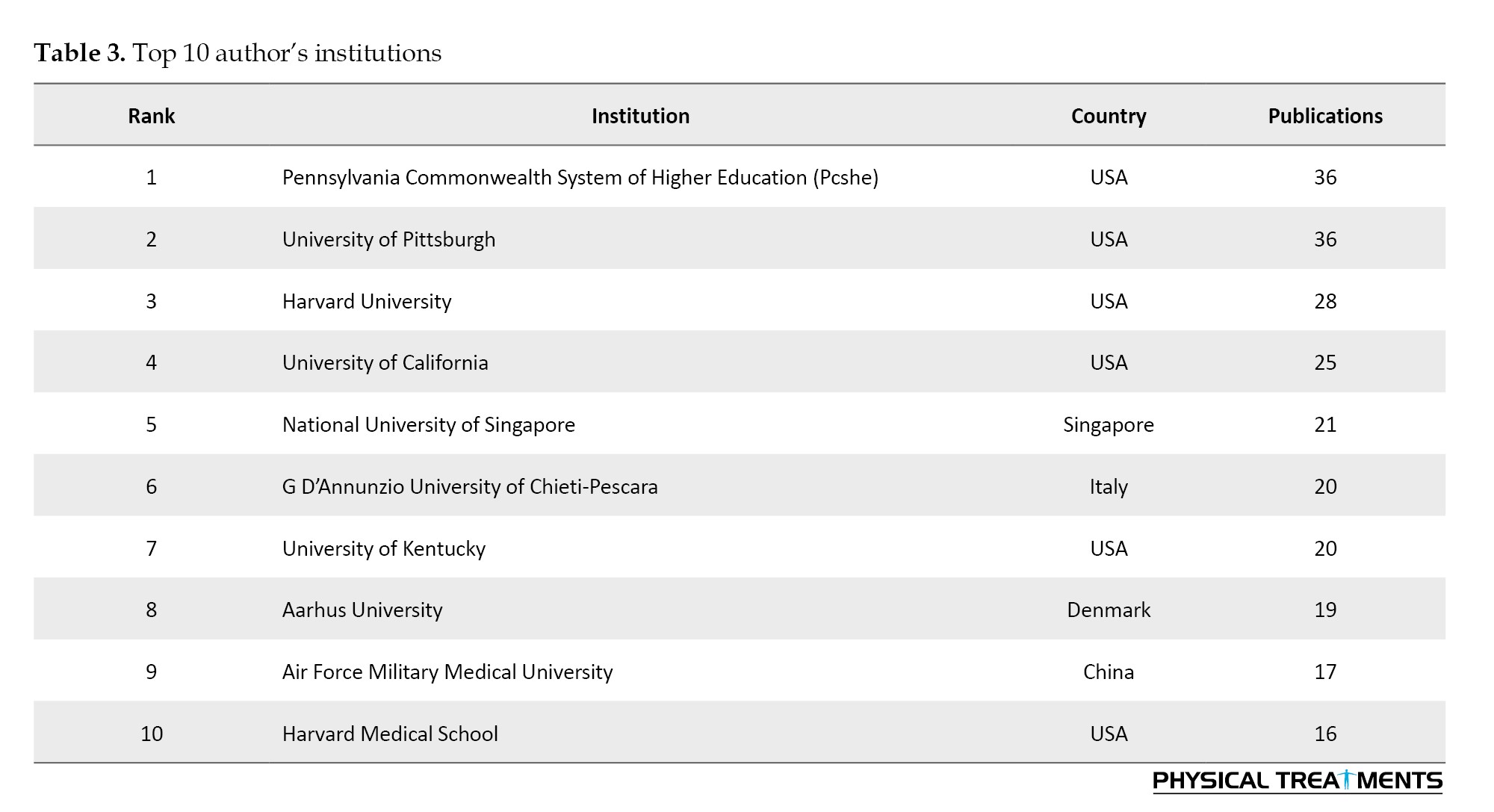
The most productive institution is the Pennsylvania commonwealth system of higher education (PCHE) (36 publications), followed by the University of Pittsburgh (36 publications), Harvard University (28 publications), the University of California (25 publications), and National University of Singapore (21 publications). Table 3 presents the lists of the top 10 institutions with the highest number of publications.
Analysis of journals
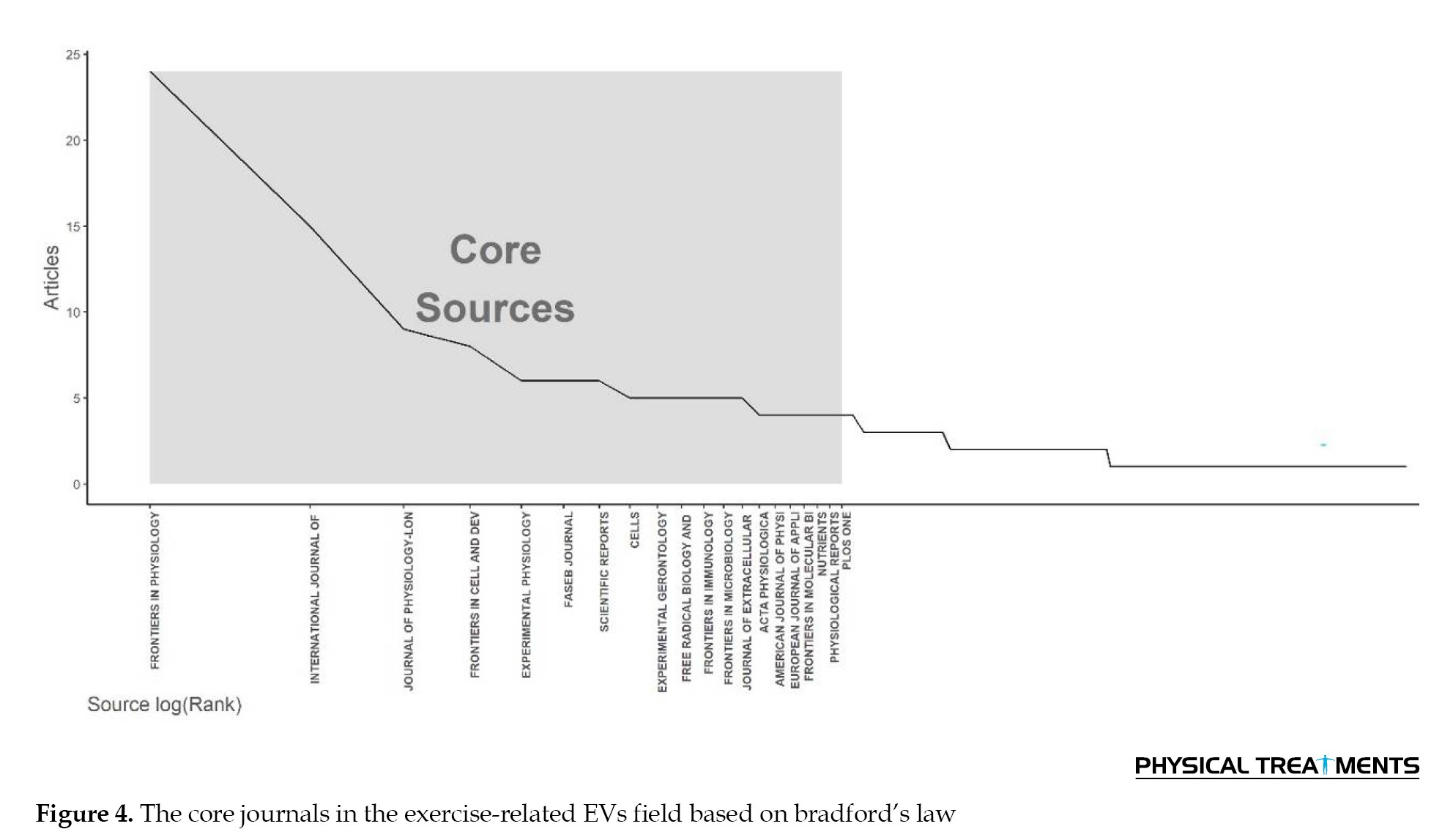
All publications were found in 231 journals. Bradford’s Law, also known as Bradford’s Law of Dispersion, states that a core group of journals will contain a large proportion of relevant articles, while the remaining articles will be dispersed across a larger number of less-cited journals [16]. Based on this Law, the 20 core sources with the most publications in this field account for 8.65% (20/231) of the whole publication source sample (Figure 4).
Regarding citations, the United States led with 1620 citations and an average of 22.20 citations per article, followed by China with 1579 total citations and 21.60 average citations, Italy with 1138 total citations and 25.30 average citations, Australia with 948 total citations and 55.80 average citations, and Canada with 848 total citations and 33.90 average citations.
The most productive institution is the Pennsylvania commonwealth system of higher education (PCHE) (36 publications), followed by the University of Pittsburgh (36 publications), Harvard University (28 publications), the University of California (25 publications), and National University of Singapore (21 publications). Table 3 presents the lists of the top 10 institutions with the highest number of publications.
Analysis of journals
All publications were found in 231 journals. Bradford’s Law, also known as Bradford’s Law of Dispersion, states that a core group of journals will contain a large proportion of relevant articles, while the remaining articles will be dispersed across a larger number of less-cited journals [16]. Based on this Law, the 20 core sources with the most publications in this field account for 8.65% (20/231) of the whole publication source sample (Figure 4).
Table 4 presents the basic information of the top 10 most productive journals.
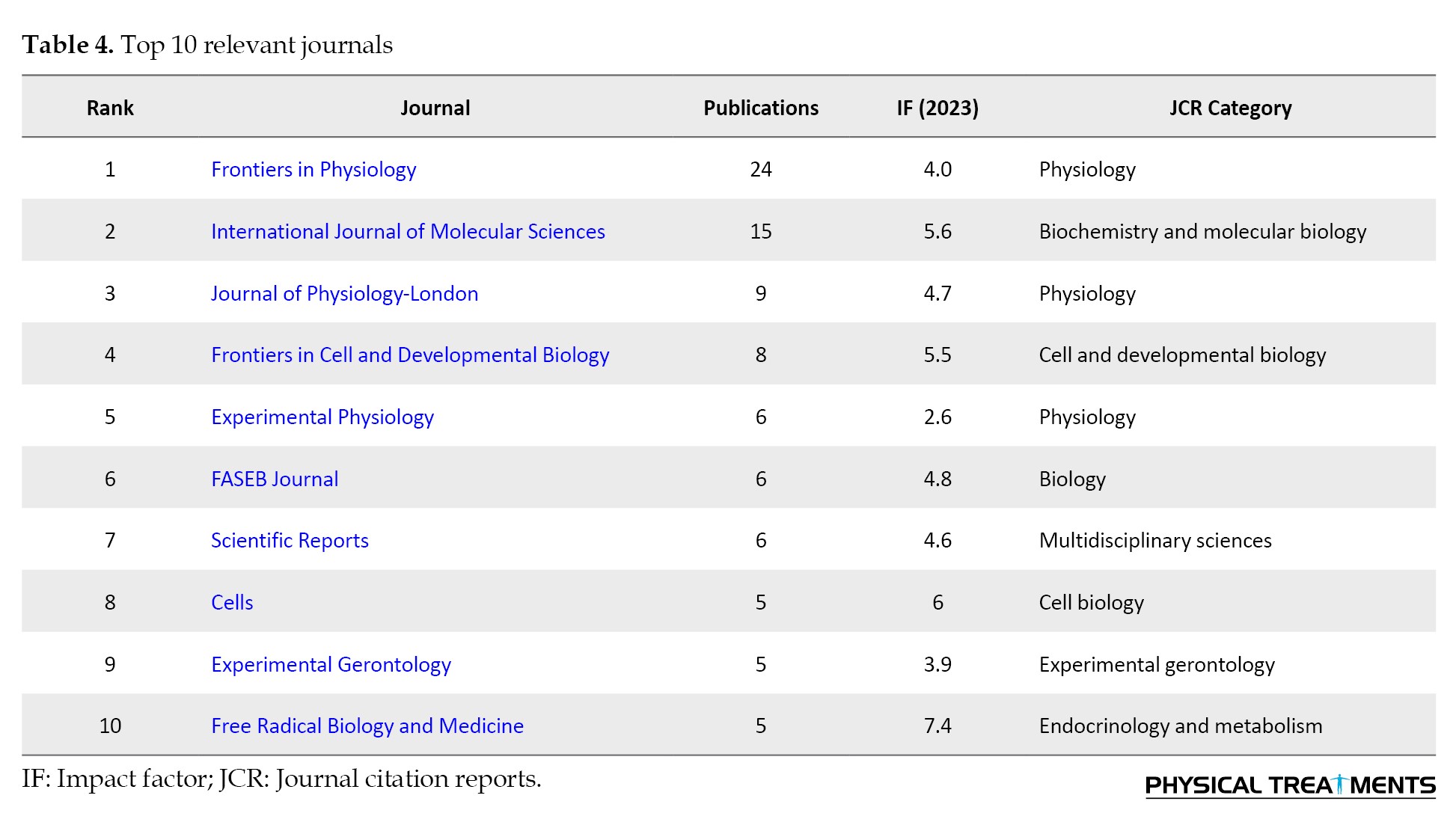
“Frontiers in psychology” tops the list with 24 publications, followed by “International Journal of Molecular Sciences” with 15 publications, “Journal of Physiology-London” with 9 publications, “Frontiers in cell and developmental biology” with 8 publications, and “experimental physiology” with 6 publications.
Analysis of authors
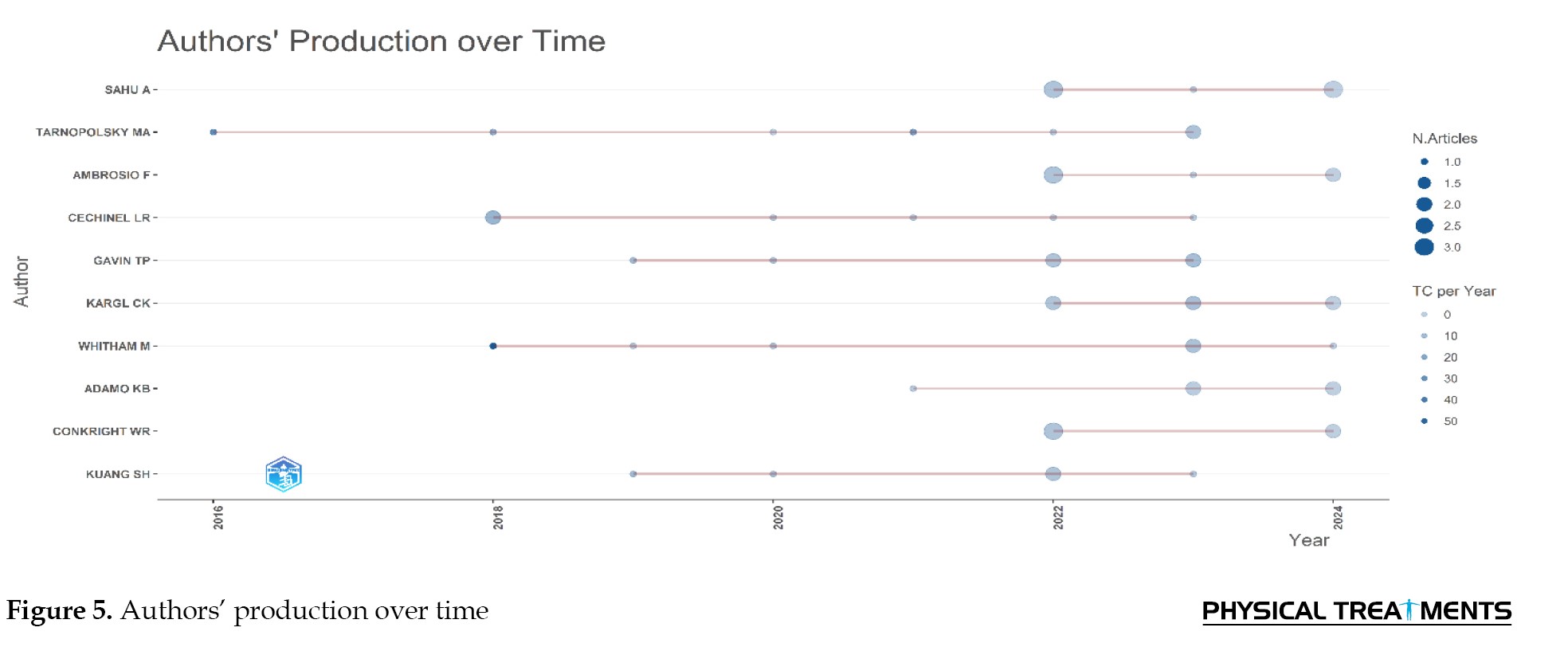
A total of 2451 authors contributed to the study. In terms of publications in this field, Sahu A was the most productive author, with 7 publications. followed by Tarnopolsky MA (7 publications), Ambrosio F (6 publications), Cechinel LR (6 publications), and Gavin TP (6 publications). Table 5 presents the top 10 authors.
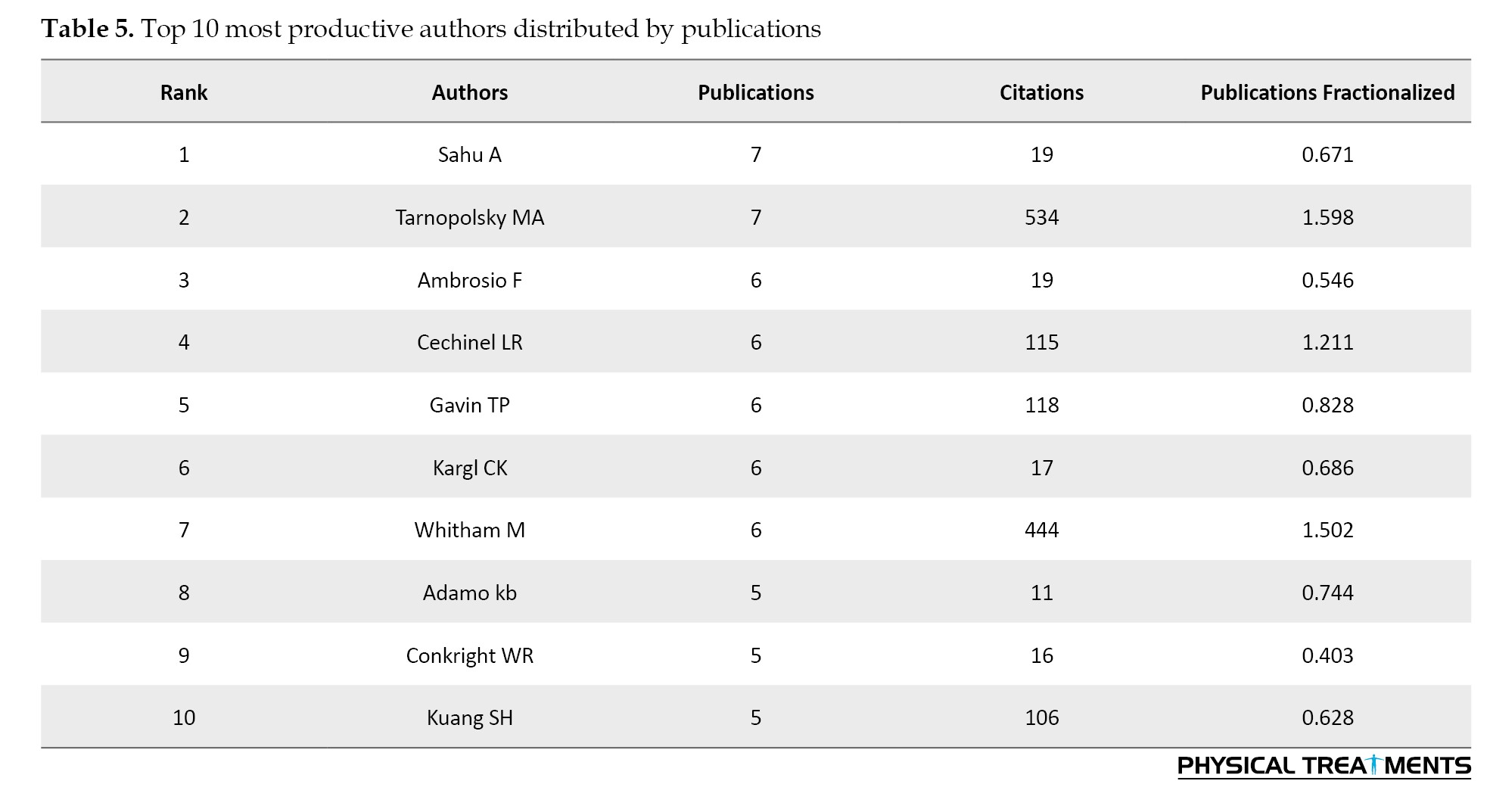
Figure 5 shows the activity of these authors from 2010 to 2024. Most of the top authors are still actively publishing articles in the field.
“Frontiers in psychology” tops the list with 24 publications, followed by “International Journal of Molecular Sciences” with 15 publications, “Journal of Physiology-London” with 9 publications, “Frontiers in cell and developmental biology” with 8 publications, and “experimental physiology” with 6 publications.
Analysis of authors
A total of 2451 authors contributed to the study. In terms of publications in this field, Sahu A was the most productive author, with 7 publications. followed by Tarnopolsky MA (7 publications), Ambrosio F (6 publications), Cechinel LR (6 publications), and Gavin TP (6 publications). Table 5 presents the top 10 authors.
Figure 5 shows the activity of these authors from 2010 to 2024. Most of the top authors are still actively publishing articles in the field.
Analysis of keywords
Keywords are author summaries of the article’s content, reflecting the main points and research frontiers of the study. Figure 6A illustrates the most frequently used keywords in this publication, with the size of each box representing the frequency of usage and the percentage of each keyword’s usage in the total texts reviewed displayed within each box.
Figure 6B shows a cloud map of the top 50 keywords used in these articles, with bolder fonts indicating greater frequency. High-frequency keywords included ‘EVs’, ‘exosomes’, ‘exercise’, ‘skeletal muscle’, ‘expression’, ‘physical activity’, ‘cells’, ‘microRNAs’, ‘microvesicles’, ‘oxidative stress’, ‘biogenesis’, ‘gene expression’, ‘insulin resistance’, ‘release’, and ‘biomarkers’, all occurring more than 20 times. Notably, ‘oxidative stress’ and ‘insulin resistance’ are emerging as key research foci due to their biological and clinical relevance: oxidative stress is linked to exercise-induced cellular responses and tissue repair, while insulin resistance reflects the role of exercise-related EVs in metabolic regulation, with potential implications for diseases, such as diabetes [4, 17].
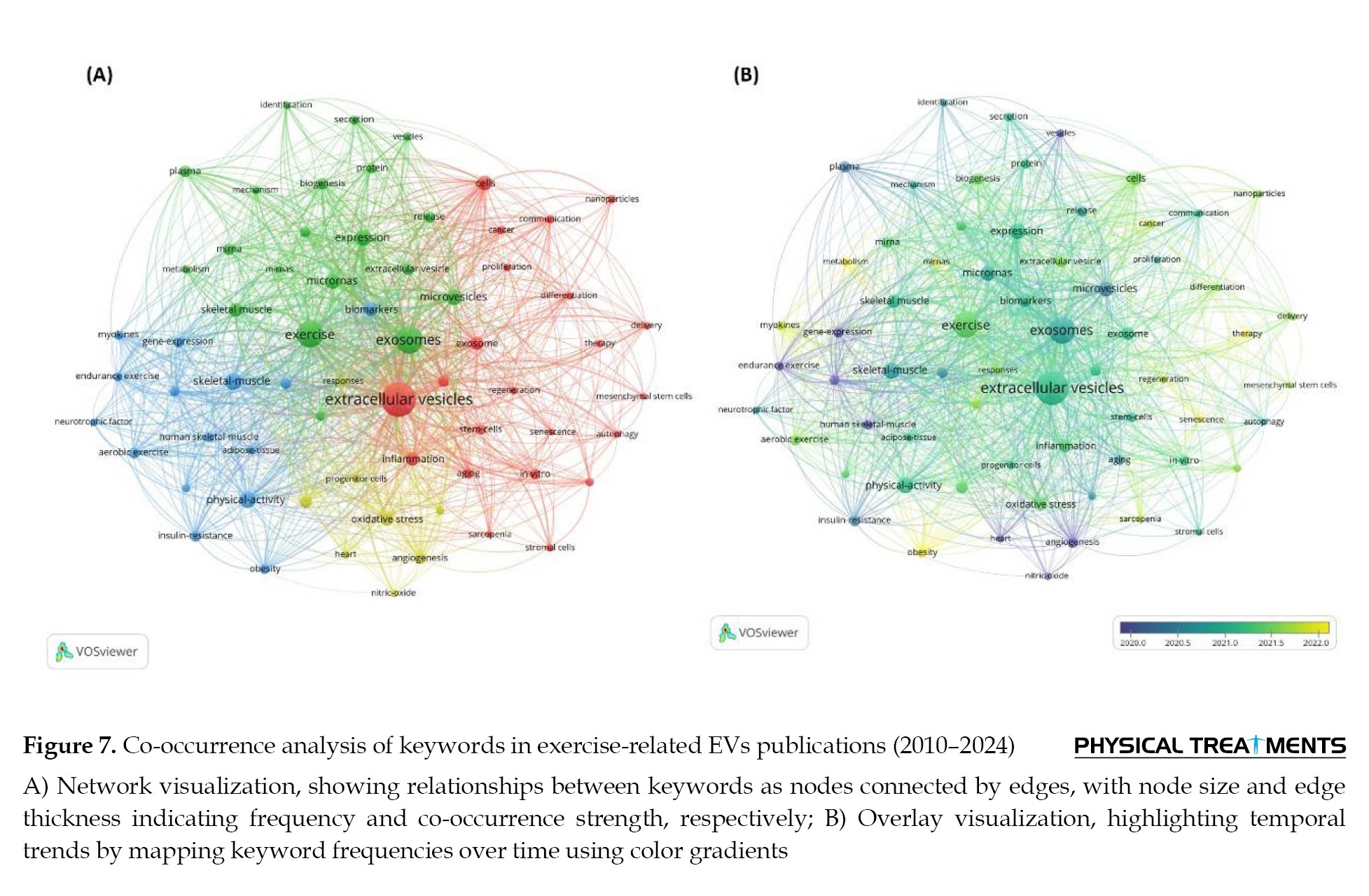
After conducting a VOSviewer analysis, we identified 2438 keywords. After the keyword filtering process with a minimum occurrence threshold of 10, we identified 65 keywords. After that, a keyword co-occurrence network map was created (Figure 7), showing important associations among terms, such as EVs, exercise, exosomes, and oxidative stress.
After conducting a VOSviewer analysis, we identified 2438 keywords. After the keyword filtering process with a minimum occurrence threshold of 10, we identified 65 keywords. After that, a keyword co-occurrence network map was created (Figure 7), showing important associations among terms, such as EVs, exercise, exosomes, and oxidative stress.
The 65 keywords are categorized into four clusters. Cluster one (red) includes terms, such as EVs, exosome, cells, inflammation, proliferation, cancer, stem cells, regeneration, and aging, primarily focusing on cell-related aspects. Cluster two (green) includes exosomes, exercise, skeletal muscle, microRNAs, plasma, microvesicles, and primarily focuses on aspects related to the release of exosomes and vesicles. Cluster three (blue) involves physical activity, skeletal muscle, endurance exercise, aerobic exercise, insulin resistance, obesity, and adipose tissue, focusing on some influential aspects of physical activity. Finally, cluster four (yellow), which includes the keywords oxidative stress, angiogenesis, heart, mechanisms, nitric oxide, progenitor cells, and responses.
The node size shown in Figures 7A and 7B is positively correlated with the frequency of node content, and the thickness of the connection line is positively correlated with the co-occurrence frequency between nodes at both ends. Different color clustering reflects the cooperative relationship between keywords (Figure 7A). The colors in the overlay visualization shown in Figure 5B represent the average publication year of the identified keywords. Most keywords were published after 2020, with green colors (Figure 7B).
Discussion
EVs represent a critical mechanism for intercellular communication across biological systems. Structurally, they are categorized into three subtypes based on size and morphology: Exosomes, microvesicles, and apoptotic bodies, all featuring characteristic lipid bilayer membranes [18, 19]. Functionally, these vesicles transport diverse biomolecules - particularly microRNAs and messenger RNAs (mRNAs)-that mediate the physiological effects of their parent cells, including intercellular signaling [20].
Notably, EVs exhibit remarkable sensitivity to physiological stress, as evidenced by their dynamic proteomic profiles [21, 22]. In this context, exercise training emerges as a potent physiological stimulus with systemic health implications. Regular physical activity is associated with reduced all-cause mortality and decreased risk of various chronic, age-related pathologies [23]. Significantly, many of these conditions, including cardiovascular disease [24], metabolic disorders [17], malignancies [25], and neurodegenerative diseases [26], demonstrate substantial involvement of EVs in their pathogenesis and progression.
Bibliometric records from WoSCC indicate that exercise-related EVs have garnered increasing scholarly attention since 2001 [26, 27]. Our research indicates a notable rise in publications between 2010 and 2024, possibly indicating growing interest among active authors in this area. This increased attention may be due to the role of exercise in regulating EVs and their impact on both physiological and pathological processes.
Bibliometric analysis, as applied in this study, has enabled the identification of key research trends and interdisciplinary connections in the field of exercise-related EVs. By mapping publication outputs, keyword co-occurrence networks, and international collaborations, this approach highlights critical areas, such as the role of EVs in skeletal muscle signaling, microRNA transport, and their potential as biomarkers for conditions, such as insulin resistance and oxidative stress. These insights facilitate the prediction of future research directions, such as exploring multi-organ interactions and EV-based therapeutic applications, fostering interdisciplinary advancements in exercise physiology and molecular biology.
This study represents the first bibliometric assessment of research on exercise-related EVs, systematically evaluating current knowledge landscapes and emerging trends through quantitative data analysis. The annual publication output demonstrates a consistent upward trajectory, reflecting both growing scholarly interest and the field’s developmental potential. Our analysis of contributions according to country revealed that China and the USA dominate this field. These countries were the most productive, contributing >36% of all publications. Also, of the top 10 institutions, five were in the USA. This could be linked to the economic progress and financial backing for scientific research in these major contributing countries.
The 398 analyzed studies on exercise-related EVs appeared in 231 distinct journals. Applying Bradford’s Law of Scattering, which divides journals into three zones, with the core zone containing approximately one-third of all articles, we identified 20 core journals that collectively published a significant proportion of articles in this field. Frontiers in Physiology emerged as the most prominent journal, leading in three key metrics (publication volume [n=24], h-index [140], total citations [53, 422]). Other high-impact journals included the International Journal of Molecular Sciences and the Journal of Physiology-London. Notably, among the top 10 journals by publication count, only Journal of Physiology-London and Cell and developmental biology maintained impact factors exceeding 5.0, highlighting the competitive nature of publishing in high-impact journals within this research domain. Amrita Sahu, affiliated with the University of Pittsburgh in the United States, has emerged as the most prolific author in the selected research field with 7 publications (Table 5). Her work is influential due to its focus on key topics, such as aging, skeletal muscle, brain health, EVs, and regenerative medicine, which align with the dominant research themes identified in this study.
Keyword co-occurrence analysis reveals that a significant portion of exercise-related EVs originates from skeletal muscles, as evidenced by the prominence of “skeletal muscle” (appearing 54 times) alongside main keywords, such as “EVs” (96 times), “exosomes” (80 times), and “exercise” (74 times) in the co-occurrence networks. A comprehensive understanding of this phenomenon requires further examination of multi-organ interactions, which could bridge exercise science with other fields such as oncology, where EVs may serve as biomarkers or therapeutic mediators in cancer metabolism, and neurology, where EVs may contribute to neuroprotective effects in neurodegenerative diseases [4, 17]. Notably, aerobic exercise has been shown to reduce inflammatory markers, such as IL-6, CRP, and TNF-α in older adults, supporting the potential role of exercise-induced EVs in modulating chronic inflammation, a key factor in both cancer and neurodegenerative diseases [5, 6].
Conclusion
In summary, this study utilized literature from the Web of Science database, employing visualization tools, such as VOSviewer and the Bibliometrix R package, to analyze trends and focal areas in exercise-related EVs. Statistical analyses of publication volume, countries, institutions, authors, journals, references, and keywords provided comprehensive insights into the field’s evolutionary path and research priorities. These findings highlight the critical role of EVs in exercise physiology by facilitating interorgan crosstalk and supporting physiological adaptations, such as improved muscle function and metabolic regulation. In EV biology, the analysis emphasizes EVs’ capacity to deliver biomolecules over long distances for signaling. Clinically, the prominence of keywords, such as ‘biomarkers,’ ‘oxidative stress,’ and ‘insulin resistance’, suggests that exercise-induced EVs hold promise as diagnostic or therapeutic tools for chronic conditions, including cancer and neurodegenerative diseases. These insights pave the way for future interdisciplinary research to advance health and disease management.
Limitations
Several limitations should be acknowledged in this study. First, our analysis exclusively utilized the WoSCC, excluding other major databases (PubMed, Scopus, Embase, Cochrane Library). This approach may have led to incomplete data coverage. Second, while bibliometric analysis provides valuable insights, it serves as a supplementary research tool and may not fully reflect the dynamics of actual research. Third, to optimize visualization clarity, we established a minimum threshold of 10 occurrences for keyword analysis. This criterion potentially excluded emerging or less frequent (but potentially significant) terms from our evaluation.
Ethical Considerations
Compliance with ethical guidelines
There were no ethical considerations to be considered in this research.
Funding
This research did not receive any grant from funding agencies in the public, commercial, or non-profit sectors.
Acknowledgments
The author thanks all researchers whose studies were used in this study.
The node size shown in Figures 7A and 7B is positively correlated with the frequency of node content, and the thickness of the connection line is positively correlated with the co-occurrence frequency between nodes at both ends. Different color clustering reflects the cooperative relationship between keywords (Figure 7A). The colors in the overlay visualization shown in Figure 5B represent the average publication year of the identified keywords. Most keywords were published after 2020, with green colors (Figure 7B).
Discussion
EVs represent a critical mechanism for intercellular communication across biological systems. Structurally, they are categorized into three subtypes based on size and morphology: Exosomes, microvesicles, and apoptotic bodies, all featuring characteristic lipid bilayer membranes [18, 19]. Functionally, these vesicles transport diverse biomolecules - particularly microRNAs and messenger RNAs (mRNAs)-that mediate the physiological effects of their parent cells, including intercellular signaling [20].
Notably, EVs exhibit remarkable sensitivity to physiological stress, as evidenced by their dynamic proteomic profiles [21, 22]. In this context, exercise training emerges as a potent physiological stimulus with systemic health implications. Regular physical activity is associated with reduced all-cause mortality and decreased risk of various chronic, age-related pathologies [23]. Significantly, many of these conditions, including cardiovascular disease [24], metabolic disorders [17], malignancies [25], and neurodegenerative diseases [26], demonstrate substantial involvement of EVs in their pathogenesis and progression.
Bibliometric records from WoSCC indicate that exercise-related EVs have garnered increasing scholarly attention since 2001 [26, 27]. Our research indicates a notable rise in publications between 2010 and 2024, possibly indicating growing interest among active authors in this area. This increased attention may be due to the role of exercise in regulating EVs and their impact on both physiological and pathological processes.
Bibliometric analysis, as applied in this study, has enabled the identification of key research trends and interdisciplinary connections in the field of exercise-related EVs. By mapping publication outputs, keyword co-occurrence networks, and international collaborations, this approach highlights critical areas, such as the role of EVs in skeletal muscle signaling, microRNA transport, and their potential as biomarkers for conditions, such as insulin resistance and oxidative stress. These insights facilitate the prediction of future research directions, such as exploring multi-organ interactions and EV-based therapeutic applications, fostering interdisciplinary advancements in exercise physiology and molecular biology.
This study represents the first bibliometric assessment of research on exercise-related EVs, systematically evaluating current knowledge landscapes and emerging trends through quantitative data analysis. The annual publication output demonstrates a consistent upward trajectory, reflecting both growing scholarly interest and the field’s developmental potential. Our analysis of contributions according to country revealed that China and the USA dominate this field. These countries were the most productive, contributing >36% of all publications. Also, of the top 10 institutions, five were in the USA. This could be linked to the economic progress and financial backing for scientific research in these major contributing countries.
The 398 analyzed studies on exercise-related EVs appeared in 231 distinct journals. Applying Bradford’s Law of Scattering, which divides journals into three zones, with the core zone containing approximately one-third of all articles, we identified 20 core journals that collectively published a significant proportion of articles in this field. Frontiers in Physiology emerged as the most prominent journal, leading in three key metrics (publication volume [n=24], h-index [140], total citations [53, 422]). Other high-impact journals included the International Journal of Molecular Sciences and the Journal of Physiology-London. Notably, among the top 10 journals by publication count, only Journal of Physiology-London and Cell and developmental biology maintained impact factors exceeding 5.0, highlighting the competitive nature of publishing in high-impact journals within this research domain. Amrita Sahu, affiliated with the University of Pittsburgh in the United States, has emerged as the most prolific author in the selected research field with 7 publications (Table 5). Her work is influential due to its focus on key topics, such as aging, skeletal muscle, brain health, EVs, and regenerative medicine, which align with the dominant research themes identified in this study.
Keyword co-occurrence analysis reveals that a significant portion of exercise-related EVs originates from skeletal muscles, as evidenced by the prominence of “skeletal muscle” (appearing 54 times) alongside main keywords, such as “EVs” (96 times), “exosomes” (80 times), and “exercise” (74 times) in the co-occurrence networks. A comprehensive understanding of this phenomenon requires further examination of multi-organ interactions, which could bridge exercise science with other fields such as oncology, where EVs may serve as biomarkers or therapeutic mediators in cancer metabolism, and neurology, where EVs may contribute to neuroprotective effects in neurodegenerative diseases [4, 17]. Notably, aerobic exercise has been shown to reduce inflammatory markers, such as IL-6, CRP, and TNF-α in older adults, supporting the potential role of exercise-induced EVs in modulating chronic inflammation, a key factor in both cancer and neurodegenerative diseases [5, 6].
Conclusion
In summary, this study utilized literature from the Web of Science database, employing visualization tools, such as VOSviewer and the Bibliometrix R package, to analyze trends and focal areas in exercise-related EVs. Statistical analyses of publication volume, countries, institutions, authors, journals, references, and keywords provided comprehensive insights into the field’s evolutionary path and research priorities. These findings highlight the critical role of EVs in exercise physiology by facilitating interorgan crosstalk and supporting physiological adaptations, such as improved muscle function and metabolic regulation. In EV biology, the analysis emphasizes EVs’ capacity to deliver biomolecules over long distances for signaling. Clinically, the prominence of keywords, such as ‘biomarkers,’ ‘oxidative stress,’ and ‘insulin resistance’, suggests that exercise-induced EVs hold promise as diagnostic or therapeutic tools for chronic conditions, including cancer and neurodegenerative diseases. These insights pave the way for future interdisciplinary research to advance health and disease management.
Limitations
Several limitations should be acknowledged in this study. First, our analysis exclusively utilized the WoSCC, excluding other major databases (PubMed, Scopus, Embase, Cochrane Library). This approach may have led to incomplete data coverage. Second, while bibliometric analysis provides valuable insights, it serves as a supplementary research tool and may not fully reflect the dynamics of actual research. Third, to optimize visualization clarity, we established a minimum threshold of 10 occurrences for keyword analysis. This criterion potentially excluded emerging or less frequent (but potentially significant) terms from our evaluation.
Ethical Considerations
Compliance with ethical guidelines
There were no ethical considerations to be considered in this research.
Funding
This research did not receive any grant from funding agencies in the public, commercial, or non-profit sectors.
Acknowledgments
The author thanks all researchers whose studies were used in this study.
References
- Pedersen B, Steensberg A, Fischer C, Keller C, Keller P, Plomgaard P, et al. Searching for the exercise factor: Is IL-6 a candidate? Journal of Muscle Research & Cell Motility. 2003; 24:113-9. [PMID]
- Pedersen BK, Febbraio MA. Muscles, exercise and obesity: Skeletal muscle as a secretory organ. Nature Reviews Endocrinology. 2012; 8(8):457-65. [Link]
- Chow LS, Gerszten RE, Taylor JM, Pedersen BK, van Praag H, Trappe S, et al. Exerkines in health, resilience and disease. Nature Reviews Endocrinology. 2022; 18(5):273-89. [Link]
- Vechetti Jr IJ, Valentino T, Mobley CB, McCarthy JJ. The role of extracellular vesicles in skeletal muscle and systematic adaptation to exercise. The Journal of Physiology. 2021; 599(3):845-61. [PMID]
- Maddah E, Avandi SM, Haghshenas R, Poorhabibi H. The effect of eight-week yoga training on serum levels of interleukin 6, interleukin 10, tumor necrosis factor alpha and body composition in women with multiple sclerosis. Journal of Sport & Exercise Physiology 2024; 17(3). [PMID]
- Tayebi SM, Poorhabibi H, Heidary D, Amini MA, Sadeghi A. Impact of aerobic exercise on chronic inflammation in older adults: A systematic review and meta-analysis. BMC Sports Science, Medicine and Rehabilitation. 2025; 17(1):229. [PMID]
- Doyle LM, Wang MZ. Overview of extracellular vesicles, their origin, composition, purpose, and methods for exosome isolation and analysis. Cells. 2019; 8(7):727. [PMID]
- Buzas EI. The roles of extracellular vesicles in the immune system. Nature Reviews Immunology. 2023; 23(4):236-50. [PMID]
- O’Brien K, Breyne K, Ughetto S, Laurent LC, Breakefield XO. RNA delivery by extracellular vesicles in mammalian cells and its applications. Nature Reviews Molecular Cell Biology. 2020; 21(10):585-606. [PMID]
- Pritchard A. Statistical bibliography or bibliometrics. Journal of documentation. 1969; 25:348. [Link]
- İri R, Ünal E. Bibliometric analysis bibliometric analysis of research (1980-2023). Ahi Evran Üniversitesi Sosyal Bilimler Enstitüsü Dergisi. 2024; 10(2):386-403. [Link]
- Lv H, Hua Q, Wang Y, Gao Z, Liu P, Qin D, et al. Mapping the knowledge structure and emerging trends of efferocytosis research: A bibliometric analysis. American Journal of Translational Research. 2023; 15(2):1386. [PMID]
- Salsali M, Sheikhhoseini R, Pooraghaei Ardekani Z. Association between physical activity and exercise with cognitive function: a bibliometric analysis. Journal of Health Sciences & Surveillance System. 2024; 12(3):236-50. [Link]
- Derviş H. Bibliometric analysis using bibliometrix an R package. Journal of Scientometric Research. 2019; 8(3):156-60. [Link]
- Van Eck N, Waltman L. Software survey: VOSviewer, a computer program for bibliometric mapping. Scientometrics. 2010; 84(2):523-38. [DOI:10.1007/s11192-009-0146-3]
- Bradford SC. Classic paper: Sources of information on specific subjects. Collection Management. 1976; 1(3-4):95-104. [Link]
- Huang-Doran I, Zhang CY, Vidal-Puig A. Extracellular vesicles: Novel mediators of cell communication in metabolic disease. Trends in Endocrinology & Metabolism. 2017; 28(1):3-18. [Link]
- Morrison TJ, Jackson MV, Cunningham EK, Kissenpfennig A, McAuley DF, O’Kane CM, et al. Mesenchymal stromal cells modulate macrophages in clinically relevant lung injury models by extracellular vesicle mitochondrial transfer. American Journal of Respiratory and Critical Care Medicine. 2017; 196(10):1275-86. [PMID]
- Ogisu K, Fujio M, Tsuchiya S, Tsuboi M, Qi C, Toyama N, et al. Conditioned media from mesenchymal stromal cells and periodontal ligament fibroblasts under cyclic stretch stimulation promote bone healing in mouse calvarial defects. Cytotherapy. 2020; 22(10):543-51. [PMID]
- Xia C, Zeng Z, Fang B, Tao M, Gu C, Zheng L, et al. Mesenchymal stem cell-derived exosomes ameliorate intervertebral disc degeneration via anti-oxidant and anti-inflammatory effects. Free Radical Biology and Medicine. 2019; 143:1-15. [PMID]
- Iliuk A, Wu X, Li L, Sun J, Hadisurya M, Boris RS, et al. Plasma-derived extracellular vesicle phosphoproteomics through chemical affinity purification. Journal of Proteome Research. 2020; 19(7):2563-74. [PMID]
- Whitham M, Parker BL, Friedrichsen M, Hingst JR, Hjorth M, Hughes WE, et al. Extracellular vesicles provide a means for tissue crosstalk during exercise. Cell Metabolism. 2018; 27(1):237-51. e4. [PMID]
- Pedersen BK. The physiology of optimizing health with a focus on exercise as medicine. Annual Review of Physiology. 2019; 81(1):607-27. [PMID]
- Boulanger CM, Loyer X, Rautou PE, Amabile N. Extracellular vesicles in coronary artery disease. Nature Reviews Cardiology. 2017; 14(5):259-72. [PMID]
- Xu R, Rai A, Chen M, Suwakulsiri W, Greening DW, Simpson RJ. Extracellular vesicles in cancer—implications for future improvements in cancer care. Nature Reviews Clinical Oncology. 2018; 15(10):617-38. [PMID]
- Thompson AG, Gray E, Heman-Ackah SM, Mäger I, Talbot K, Andaloussi SE, et al. Extracellular vesicles in neurodegenerative disease—pathogenesis to biomarkers. Nature Reviews Neurology. 2016; 12(6):346-57. [PMID]
- Lynge J, Juel C, Hellsten Y. Extracellular formation and uptake of adenosine during skeletal muscle contraction in the rat: role of adenosine transporters. The Journal of Physiology. 2001; 537(Pt 2):597. [PMID]
Type of Study: Systematic Review |
Subject:
General
Received: 2025/07/27 | Accepted: 2025/09/6 | Published: 2026/04/1
Received: 2025/07/27 | Accepted: 2025/09/6 | Published: 2026/04/1
Send email to the article author
| Rights and permissions | |
 |
This work is licensed under a Creative Commons Attribution-NonCommercial 4.0 International License. |

This is an open access article distributed under the terms of the Creative Commons Attribution-NonCommercial 4.0 (CC-By-NC 4.0), which permits use, distribution, and reproduction in any medium, provided the original work is properly cited and is not used for commercial purposes.
Contact Information